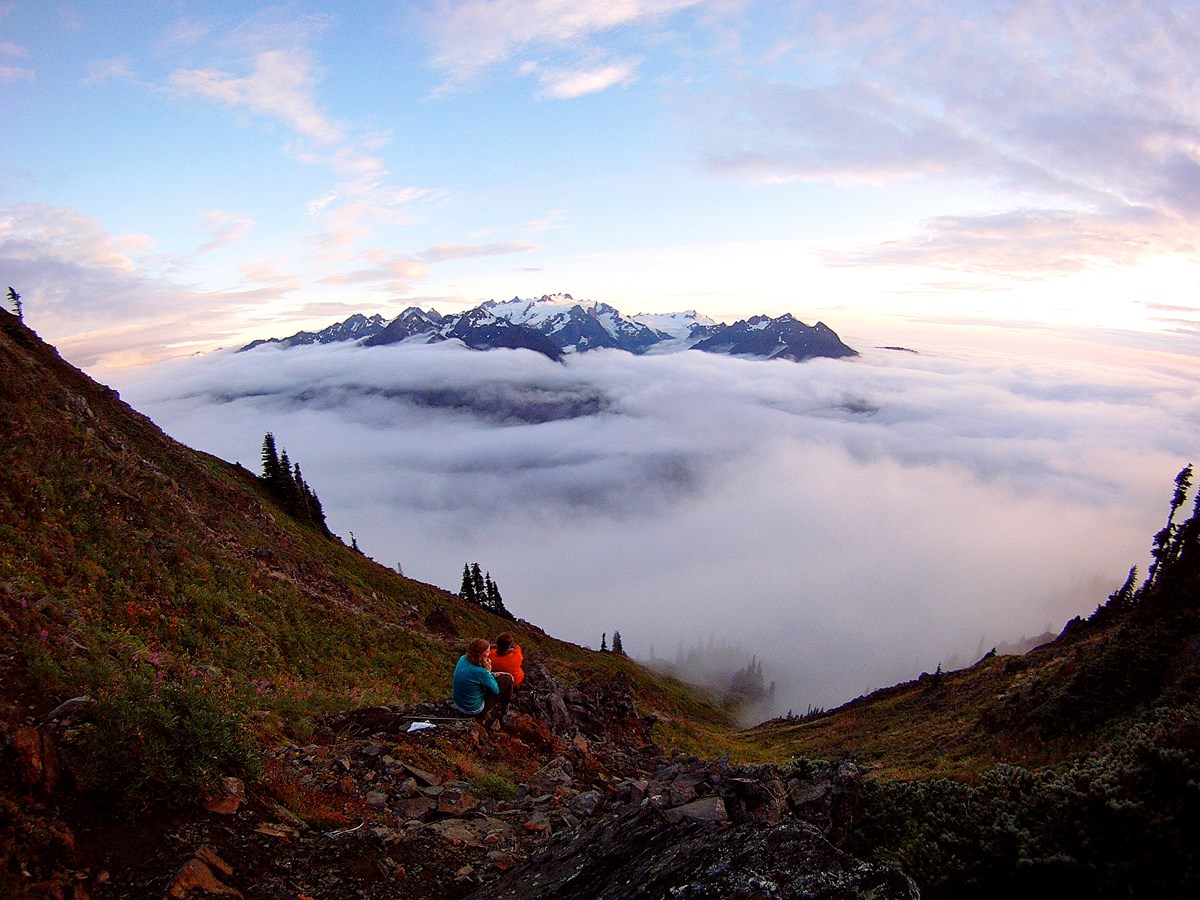
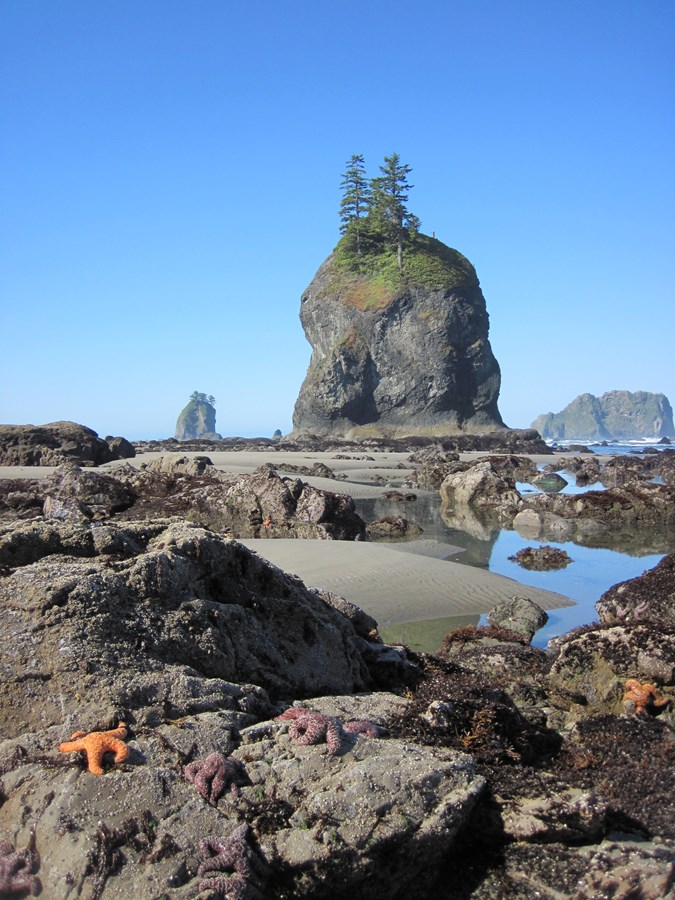
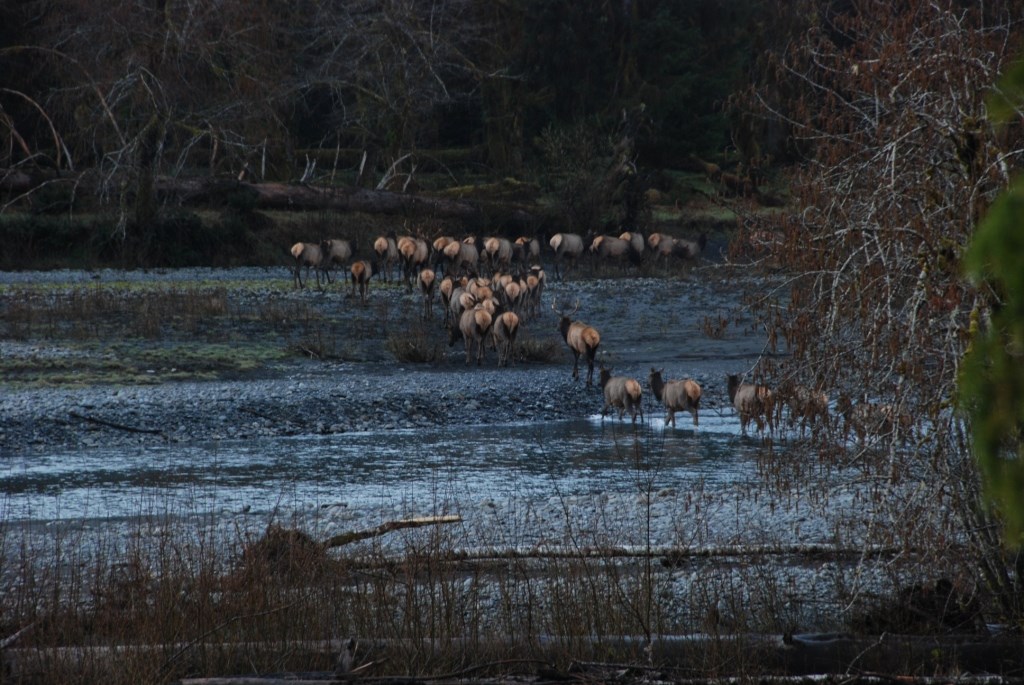
Even though this is the busy season, June through September offer drier weather for a trip across the coast, forests and mountain viewpoints. September is our pick because the normal weather is still mild and average visits are 33% less than the peak in August. Some seasonal stays close during September.
Confirm your chosen stay dates, access and reservation directly.
Compare Olympic by month.
Compare Olympic visits, station weather, road approaches and overnight seasons for all twelve months. Read the scope before comparing Access and Stays. Operating seasons are not vacancies.
Wet lowland weather and snowy mountains. Winter Hurricane Ridge access follows a limited schedule.Read the January guide →
January crowds
81,950 average January visits in 2021–2025.
Monthly recreation visits
47 annual records · 1979–2025
Scroll the chart to see all years →
Hover, focus or tap a bar to see its year and value.
NPS recreation visits are visits, not unique visitors or a measure of how busy an individual trail feels. Counts can reflect closures, disruptions and changes in counting methods.
Elwha Ranger Station at about 360 ft describes a low-elevation north-side valley. Olympic's coast, rain forests and mountains have different weather. These averages do not describe Hurricane Ridge or the much wetter western rain forests. Check the forecast for each destination.
January weather through the years at Elwha Ranger Station, WA.
Average daily high and low (°F)
39 complete high-temperature records · 27 complete low-temperature records
■ High■ Low
Scroll the chart to see all years →
Hover, focus or tap a bar to see its year and value.
Monthly precipitation (inches)
27 complete rain records
Scroll the chart to see all years →
Hover, focus or tap a bar to see its year and value.
Elwha Ranger Station, WA station observations, not a park-wide average or forecast. Complete quality-screened calendar months only, separately by metric. Daily high/low means and total precipitation; incomplete months stay null. No interpolation or substitution. Completed years only; separate from 1991-2020 normals.
APort Angeles Gateway (Olympic National Park Visitor Center)
Open
Normal road approach, subject to weather and individual site restrictions. This marker is an access location, not a guarantee that every facility is operating.
BHurricane Ridge Entrance
Oversnow
Snow limits mountain vehicle access. Confirm the road schedule and weather requirements separately.
CElwha Entrance
Open
Normal road approach, subject to weather and individual site restrictions. This marker is an access location, not a guarantee that every facility is operating.
all fourteen NPS-listed developed campground options and four in-park lodge/resort properties. Normal seasons are planning guidance, not vacancies. Opening/closing months are partial. Unverified means confirm directly. These are normal seasonal schedules, not room or campsite availability.
Frontcountry campground
1Deer Park
Closed
Outside the normal operating season. Check the published calendar for your dates.
2Fairholme
Closed
Outside the normal operating season. Check the published calendar for your dates.
3Graves Creek
Open
Year-round operating season. Confirm services, weather access and your reservation; this is not vacancy.
4Heart O' the Hills
Winter
Year-round season, but heavy snow can require walk-in access. Check the road and winter services.
5Hoh Rain Forest
Open
Year-round operating season. Confirm services, weather access and your reservation; this is not vacancy.
6Kalaloch
Open
Year-round operating season. Confirm services, weather access and your reservation; this is not vacancy.
7Log Cabin Resort
Closed
Outside the normal operating season. Check the published calendar for your dates.
8Mora
Open
Year-round operating season. Confirm services, weather access and your reservation; this is not vacancy.
9North Fork
Open
Year-round operating season. Confirm services, weather access and your reservation; this is not vacancy.
10Ozette
Winter
Year-round camping pattern with primitive winter services and flooding concerns. Confirm access.
11Queets
Open
Year-round operating season. Confirm services, weather access and your reservation; this is not vacancy.
12Sol Duc Hot Springs RV Park & Campground
Closed
Outside the normal operating season. Check the published calendar for your dates.
13South Beach
Closed
Outside the normal operating season. Check the published calendar for your dates.
14Staircase
Unverified
A dependable full-month operating season is not established here. Confirm dates directly before booking.
Mountain snow remains. Coast and rain forest visits need storm and road checks.Read the February guide →
February crowds
93,324 average February visits in 2021–2025.
Monthly recreation visits
47 annual records · 1979–2025
Scroll the chart to see all years →
Hover, focus or tap a bar to see its year and value.
NPS recreation visits are visits, not unique visitors or a measure of how busy an individual trail feels. Counts can reflect closures, disruptions and changes in counting methods.
Elwha Ranger Station at about 360 ft describes a low-elevation north-side valley. Olympic's coast, rain forests and mountains have different weather. These averages do not describe Hurricane Ridge or the much wetter western rain forests. Check the forecast for each destination.
February weather through the years at Elwha Ranger Station, WA.
Average daily high and low (°F)
45 complete high-temperature records · 32 complete low-temperature records
■ High■ Low
Scroll the chart to see all years →
Hover, focus or tap a bar to see its year and value.
Monthly precipitation (inches)
31 complete rain records
Scroll the chart to see all years →
Hover, focus or tap a bar to see its year and value.
Elwha Ranger Station, WA station observations, not a park-wide average or forecast. Complete quality-screened calendar months only, separately by metric. Daily high/low means and total precipitation; incomplete months stay null. No interpolation or substitution. Completed years only; separate from 1991-2020 normals.
APort Angeles Gateway (Olympic National Park Visitor Center)
Open
Normal road approach, subject to weather and individual site restrictions. This marker is an access location, not a guarantee that every facility is operating.
BHurricane Ridge Entrance
Oversnow
Snow limits mountain vehicle access. Confirm the road schedule and weather requirements separately.
CElwha Entrance
Open
Normal road approach, subject to weather and individual site restrictions. This marker is an access location, not a guarantee that every facility is operating.
all fourteen NPS-listed developed campground options and four in-park lodge/resort properties. Normal seasons are planning guidance, not vacancies. Opening/closing months are partial. Unverified means confirm directly. These are normal seasonal schedules, not room or campsite availability.
Frontcountry campground
1Deer Park
Closed
Outside the normal operating season. Check the published calendar for your dates.
2Fairholme
Closed
Outside the normal operating season. Check the published calendar for your dates.
3Graves Creek
Open
Year-round operating season. Confirm services, weather access and your reservation; this is not vacancy.
4Heart O' the Hills
Winter
Year-round season, but heavy snow can require walk-in access. Check the road and winter services.
5Hoh Rain Forest
Open
Year-round operating season. Confirm services, weather access and your reservation; this is not vacancy.
6Kalaloch
Open
Year-round operating season. Confirm services, weather access and your reservation; this is not vacancy.
7Log Cabin Resort
Closed
Outside the normal operating season. Check the published calendar for your dates.
8Mora
Open
Year-round operating season. Confirm services, weather access and your reservation; this is not vacancy.
9North Fork
Open
Year-round operating season. Confirm services, weather access and your reservation; this is not vacancy.
10Ozette
Winter
Year-round camping pattern with primitive winter services and flooding concerns. Confirm access.
11Queets
Open
Year-round operating season. Confirm services, weather access and your reservation; this is not vacancy.
12Sol Duc Hot Springs RV Park & Campground
Closed
Outside the normal operating season. Check the published calendar for your dates.
13South Beach
Closed
Outside the normal operating season. Check the published calendar for your dates.
14Staircase
Unverified
A dependable full-month operating season is not established here. Confirm dates directly before booking.
A wet transition month. Sol Duc lodging normally starts during March.Read the March guide →
March crowds
133,353 average March visits in 2021–2025.
Monthly recreation visits
47 annual records · 1979–2025
Scroll the chart to see all years →
Hover, focus or tap a bar to see its year and value.
NPS recreation visits are visits, not unique visitors or a measure of how busy an individual trail feels. Counts can reflect closures, disruptions and changes in counting methods.
Elwha Ranger Station at about 360 ft describes a low-elevation north-side valley. Olympic's coast, rain forests and mountains have different weather. These averages do not describe Hurricane Ridge or the much wetter western rain forests. Check the forecast for each destination.
March weather through the years at Elwha Ranger Station, WA.
Average daily high and low (°F)
44 complete high-temperature records · 30 complete low-temperature records
■ High■ Low
Scroll the chart to see all years →
Hover, focus or tap a bar to see its year and value.
Monthly precipitation (inches)
32 complete rain records
Scroll the chart to see all years →
Hover, focus or tap a bar to see its year and value.
Elwha Ranger Station, WA station observations, not a park-wide average or forecast. Complete quality-screened calendar months only, separately by metric. Daily high/low means and total precipitation; incomplete months stay null. No interpolation or substitution. Completed years only; separate from 1991-2020 normals.
APort Angeles Gateway (Olympic National Park Visitor Center)
Open
Normal road approach, subject to weather and individual site restrictions. This marker is an access location, not a guarantee that every facility is operating.
BHurricane Ridge Entrance
Oversnow
Snow limits mountain vehicle access. Confirm the road schedule and weather requirements separately.
CElwha Entrance
Open
Normal road approach, subject to weather and individual site restrictions. This marker is an access location, not a guarantee that every facility is operating.
all fourteen NPS-listed developed campground options and four in-park lodge/resort properties. Normal seasons are planning guidance, not vacancies. Opening/closing months are partial. Unverified means confirm directly. These are normal seasonal schedules, not room or campsite availability.
Frontcountry campground
1Deer Park
Closed
Outside the normal operating season. Check the published calendar for your dates.
2Fairholme
Closed
Outside the normal operating season. Check the published calendar for your dates.
3Graves Creek
Open
Year-round operating season. Confirm services, weather access and your reservation; this is not vacancy.
4Heart O' the Hills
Winter
Year-round season, but heavy snow can require walk-in access. Check the road and winter services.
5Hoh Rain Forest
Open
Year-round operating season. Confirm services, weather access and your reservation; this is not vacancy.
6Kalaloch
Open
Year-round operating season. Confirm services, weather access and your reservation; this is not vacancy.
7Log Cabin Resort
Closed
Outside the normal operating season. Check the published calendar for your dates.
8Mora
Open
Year-round operating season. Confirm services, weather access and your reservation; this is not vacancy.
9North Fork
Open
Year-round operating season. Confirm services, weather access and your reservation; this is not vacancy.
10Ozette
Winter
Year-round camping pattern with primitive winter services and flooding concerns. Confirm access.
11Queets
Open
Year-round operating season. Confirm services, weather access and your reservation; this is not vacancy.
12Sol Duc Hot Springs RV Park & Campground
Part month
The season normally begins or ends during this month. Confirm the dated operating calendar.
13South Beach
Closed
Outside the normal operating season. Check the published calendar for your dates.
14Staircase
Unverified
A dependable full-month operating season is not established here. Confirm dates directly before booking.
Hover, focus or tap a bar to see its year and value.
NPS recreation visits are visits, not unique visitors or a measure of how busy an individual trail feels. Counts can reflect closures, disruptions and changes in counting methods.
Elwha Ranger Station at about 360 ft describes a low-elevation north-side valley. Olympic's coast, rain forests and mountains have different weather. These averages do not describe Hurricane Ridge or the much wetter western rain forests. Check the forecast for each destination.
April weather through the years at Elwha Ranger Station, WA.
Average daily high and low (°F)
39 complete high-temperature records · 27 complete low-temperature records
■ High■ Low
Scroll the chart to see all years →
Hover, focus or tap a bar to see its year and value.
Monthly precipitation (inches)
36 complete rain records
Scroll the chart to see all years →
Hover, focus or tap a bar to see its year and value.
Elwha Ranger Station, WA station observations, not a park-wide average or forecast. Complete quality-screened calendar months only, separately by metric. Daily high/low means and total precipitation; incomplete months stay null. No interpolation or substitution. Completed years only; separate from 1991-2020 normals.
APort Angeles Gateway (Olympic National Park Visitor Center)
Open
Normal road approach, subject to weather and individual site restrictions. This marker is an access location, not a guarantee that every facility is operating.
BHurricane Ridge Entrance
Oversnow
Snow limits mountain vehicle access. Confirm the road schedule and weather requirements separately.
CElwha Entrance
Open
Normal road approach, subject to weather and individual site restrictions. This marker is an access location, not a guarantee that every facility is operating.
all fourteen NPS-listed developed campground options and four in-park lodge/resort properties. Normal seasons are planning guidance, not vacancies. Opening/closing months are partial. Unverified means confirm directly. These are normal seasonal schedules, not room or campsite availability.
Frontcountry campground
1Deer Park
Closed
Outside the normal operating season. Check the published calendar for your dates.
2Fairholme
Part month
The season normally begins or ends during this month. Confirm the dated operating calendar.
3Graves Creek
Open
Year-round operating season. Confirm services, weather access and your reservation; this is not vacancy.
4Heart O' the Hills
Open
Year-round operating season. Confirm services, weather access and your reservation; this is not vacancy.
5Hoh Rain Forest
Open
Year-round operating season. Confirm services, weather access and your reservation; this is not vacancy.
6Kalaloch
Open
Year-round operating season. Confirm services, weather access and your reservation; this is not vacancy.
7Log Cabin Resort
Closed
Outside the normal operating season. Check the published calendar for your dates.
8Mora
Open
Year-round operating season. Confirm services, weather access and your reservation; this is not vacancy.
9North Fork
Open
Year-round operating season. Confirm services, weather access and your reservation; this is not vacancy.
10Ozette
Open
Year-round operating season. Confirm services, weather access and your reservation; this is not vacancy.
11Queets
Open
Year-round operating season. Confirm services, weather access and your reservation; this is not vacancy.
12Sol Duc Hot Springs RV Park & Campground
Open
Within the normal operating season. This is not room or campsite availability.
13South Beach
Closed
Outside the normal operating season. Check the published calendar for your dates.
14Staircase
Unverified
A dependable full-month operating season is not established here. Confirm dates directly before booking.
Warmer and drier lowland normals. Mountain access and camping choice expand in stages.Read the May guide →
May crowds
247,409 average May visits in 2021–2025.
Monthly recreation visits
47 annual records · 1979–2025
Scroll the chart to see all years →
Hover, focus or tap a bar to see its year and value.
NPS recreation visits are visits, not unique visitors or a measure of how busy an individual trail feels. Counts can reflect closures, disruptions and changes in counting methods.
Elwha Ranger Station at about 360 ft describes a low-elevation north-side valley. Olympic's coast, rain forests and mountains have different weather. These averages do not describe Hurricane Ridge or the much wetter western rain forests. Check the forecast for each destination.
May weather through the years at Elwha Ranger Station, WA.
Average daily high and low (°F)
46 complete high-temperature records · 33 complete low-temperature records
■ High■ Low
Scroll the chart to see all years →
Hover, focus or tap a bar to see its year and value.
Monthly precipitation (inches)
34 complete rain records
Scroll the chart to see all years →
Hover, focus or tap a bar to see its year and value.
Elwha Ranger Station, WA station observations, not a park-wide average or forecast. Complete quality-screened calendar months only, separately by metric. Daily high/low means and total precipitation; incomplete months stay null. No interpolation or substitution. Completed years only; separate from 1991-2020 normals.
APort Angeles Gateway (Olympic National Park Visitor Center)
Open
Normal road approach, subject to weather and individual site restrictions. This marker is an access location, not a guarantee that every facility is operating.
BHurricane Ridge Entrance
Oversnow
Snow limits mountain vehicle access. Confirm the road schedule and weather requirements separately.
CElwha Entrance
Open
Normal road approach, subject to weather and individual site restrictions. This marker is an access location, not a guarantee that every facility is operating.
all fourteen NPS-listed developed campground options and four in-park lodge/resort properties. Normal seasons are planning guidance, not vacancies. Opening/closing months are partial. Unverified means confirm directly. These are normal seasonal schedules, not room or campsite availability.
Frontcountry campground
1Deer Park
Closed
Outside the normal operating season. Check the published calendar for your dates.
2Fairholme
Open
Within the normal operating season. This is not room or campsite availability.
3Graves Creek
Open
Year-round operating season. Confirm services, weather access and your reservation; this is not vacancy.
4Heart O' the Hills
Open
Year-round operating season. Confirm services, weather access and your reservation; this is not vacancy.
5Hoh Rain Forest
Open
Year-round operating season. Confirm services, weather access and your reservation; this is not vacancy.
6Kalaloch
Open
Year-round operating season. Confirm services, weather access and your reservation; this is not vacancy.
7Log Cabin Resort
Open
Within the normal operating season. This is not room or campsite availability.
8Mora
Open
Year-round operating season. Confirm services, weather access and your reservation; this is not vacancy.
9North Fork
Open
Year-round operating season. Confirm services, weather access and your reservation; this is not vacancy.
10Ozette
Open
Year-round operating season. Confirm services, weather access and your reservation; this is not vacancy.
11Queets
Open
Year-round operating season. Confirm services, weather access and your reservation; this is not vacancy.
12Sol Duc Hot Springs RV Park & Campground
Open
Within the normal operating season. This is not room or campsite availability.
13South Beach
Part month
The season normally begins or ends during this month. Confirm the dated operating calendar.
14Staircase
Unverified
A dependable full-month operating season is not established here. Confirm dates directly before booking.
The road-trip recommendation begins. Snow can remain on high trails.Read the June guide →
June crowds
301,287 average June visits in 2021–2025.
Monthly recreation visits
47 annual records · 1979–2025
Scroll the chart to see all years →
Hover, focus or tap a bar to see its year and value.
NPS recreation visits are visits, not unique visitors or a measure of how busy an individual trail feels. Counts can reflect closures, disruptions and changes in counting methods.
Elwha Ranger Station at about 360 ft describes a low-elevation north-side valley. Olympic's coast, rain forests and mountains have different weather. These averages do not describe Hurricane Ridge or the much wetter western rain forests. Check the forecast for each destination.
June weather through the years at Elwha Ranger Station, WA.
Average daily high and low (°F)
43 complete high-temperature records · 31 complete low-temperature records
■ High■ Low
Scroll the chart to see all years →
Hover, focus or tap a bar to see its year and value.
Monthly precipitation (inches)
39 complete rain records
Scroll the chart to see all years →
Hover, focus or tap a bar to see its year and value.
Elwha Ranger Station, WA station observations, not a park-wide average or forecast. Complete quality-screened calendar months only, separately by metric. Daily high/low means and total precipitation; incomplete months stay null. No interpolation or substitution. Completed years only; separate from 1991-2020 normals.
APort Angeles Gateway (Olympic National Park Visitor Center)
Open
Normal road approach, subject to weather and individual site restrictions. This marker is an access location, not a guarantee that every facility is operating.
BHurricane Ridge Entrance
Open
Normal road approach, subject to weather and individual site restrictions. This marker is an access location, not a guarantee that every facility is operating.
CElwha Entrance
Open
Normal road approach, subject to weather and individual site restrictions. This marker is an access location, not a guarantee that every facility is operating.
all fourteen NPS-listed developed campground options and four in-park lodge/resort properties. Normal seasons are planning guidance, not vacancies. Opening/closing months are partial. Unverified means confirm directly. These are normal seasonal schedules, not room or campsite availability.
Frontcountry campground
1Deer Park
Open
Within the normal operating season. This is not room or campsite availability.
2Fairholme
Open
Within the normal operating season. This is not room or campsite availability.
3Graves Creek
Open
Year-round operating season. Confirm services, weather access and your reservation; this is not vacancy.
4Heart O' the Hills
Open
Year-round operating season. Confirm services, weather access and your reservation; this is not vacancy.
5Hoh Rain Forest
Open
Year-round operating season. Confirm services, weather access and your reservation; this is not vacancy.
6Kalaloch
Open
Year-round operating season. Confirm services, weather access and your reservation; this is not vacancy.
7Log Cabin Resort
Open
Within the normal operating season. This is not room or campsite availability.
8Mora
Open
Year-round operating season. Confirm services, weather access and your reservation; this is not vacancy.
9North Fork
Open
Year-round operating season. Confirm services, weather access and your reservation; this is not vacancy.
10Ozette
Open
Year-round operating season. Confirm services, weather access and your reservation; this is not vacancy.
11Queets
Open
Year-round operating season. Confirm services, weather access and your reservation; this is not vacancy.
12Sol Duc Hot Springs RV Park & Campground
Open
Within the normal operating season. This is not room or campsite availability.
13South Beach
Open
Within the normal operating season. This is not room or campsite availability.
14Staircase
Unverified
A dependable full-month operating season is not established here. Confirm dates directly before booking.
The driest Elwha normal month. Choose this for a stronger summer hiking starting point.Read the July guide →
July crowds
501,508 average July visits in 2021–2025.
Monthly recreation visits
47 annual records · 1979–2025
Scroll the chart to see all years →
Hover, focus or tap a bar to see its year and value.
NPS recreation visits are visits, not unique visitors or a measure of how busy an individual trail feels. Counts can reflect closures, disruptions and changes in counting methods.
Elwha Ranger Station at about 360 ft describes a low-elevation north-side valley. Olympic's coast, rain forests and mountains have different weather. These averages do not describe Hurricane Ridge or the much wetter western rain forests. Check the forecast for each destination.
July weather through the years at Elwha Ranger Station, WA.
Average daily high and low (°F)
52 complete high-temperature records · 38 complete low-temperature records
■ High■ Low
Scroll the chart to see all years →
Hover, focus or tap a bar to see its year and value.
Monthly precipitation (inches)
41 complete rain records
Scroll the chart to see all years →
Hover, focus or tap a bar to see its year and value.
Elwha Ranger Station, WA station observations, not a park-wide average or forecast. Complete quality-screened calendar months only, separately by metric. Daily high/low means and total precipitation; incomplete months stay null. No interpolation or substitution. Completed years only; separate from 1991-2020 normals.
all fourteen NPS-listed developed campground options and four in-park lodge/resort properties. Normal seasons are planning guidance, not vacancies. Opening/closing months are partial. Unverified means confirm directly. These are normal seasonal schedules, not room or campsite availability.
Frontcountry campground
1Deer Park
Open
Within the normal operating season. This is not room or campsite availability.
2Fairholme
Open
Within the normal operating season. This is not room or campsite availability.
3Graves Creek
Open
Year-round operating season. Confirm services, weather access and your reservation; this is not vacancy.
4Heart O' the Hills
Open
Year-round operating season. Confirm services, weather access and your reservation; this is not vacancy.
5Hoh Rain Forest
Open
Year-round operating season. Confirm services, weather access and your reservation; this is not vacancy.
6Kalaloch
Open
Year-round operating season. Confirm services, weather access and your reservation; this is not vacancy.
7Log Cabin Resort
Open
Within the normal operating season. This is not room or campsite availability.
8Mora
Open
Year-round operating season. Confirm services, weather access and your reservation; this is not vacancy.
9North Fork
Open
Year-round operating season. Confirm services, weather access and your reservation; this is not vacancy.
10Ozette
Open
Year-round operating season. Confirm services, weather access and your reservation; this is not vacancy.
11Queets
Open
Year-round operating season. Confirm services, weather access and your reservation; this is not vacancy.
12Sol Duc Hot Springs RV Park & Campground
Open
Within the normal operating season. This is not room or campsite availability.
13South Beach
Open
Within the normal operating season. This is not room or campsite availability.
14Staircase
Unverified
A dependable full-month operating season is not established here. Confirm dates directly before booking.
Peak average visits, with broad summer access. Coast and mountain weather still differ.Read the August guide →
August crowds
625,799 average August visits in 2021–2025.
Monthly recreation visits
47 annual records · 1979–2025
Scroll the chart to see all years →
Hover, focus or tap a bar to see its year and value.
NPS recreation visits are visits, not unique visitors or a measure of how busy an individual trail feels. Counts can reflect closures, disruptions and changes in counting methods.
Elwha Ranger Station at about 360 ft describes a low-elevation north-side valley. Olympic's coast, rain forests and mountains have different weather. These averages do not describe Hurricane Ridge or the much wetter western rain forests. Check the forecast for each destination.
August weather through the years at Elwha Ranger Station, WA.
Average daily high and low (°F)
53 complete high-temperature records · 38 complete low-temperature records
■ High■ Low
Scroll the chart to see all years →
Hover, focus or tap a bar to see its year and value.
Monthly precipitation (inches)
40 complete rain records
Scroll the chart to see all years →
Hover, focus or tap a bar to see its year and value.
Elwha Ranger Station, WA station observations, not a park-wide average or forecast. Complete quality-screened calendar months only, separately by metric. Daily high/low means and total precipitation; incomplete months stay null. No interpolation or substitution. Completed years only; separate from 1991-2020 normals.
all fourteen NPS-listed developed campground options and four in-park lodge/resort properties. Normal seasons are planning guidance, not vacancies. Opening/closing months are partial. Unverified means confirm directly. These are normal seasonal schedules, not room or campsite availability.
Frontcountry campground
1Deer Park
Open
Within the normal operating season. This is not room or campsite availability.
2Fairholme
Open
Within the normal operating season. This is not room or campsite availability.
3Graves Creek
Open
Year-round operating season. Confirm services, weather access and your reservation; this is not vacancy.
4Heart O' the Hills
Open
Year-round operating season. Confirm services, weather access and your reservation; this is not vacancy.
5Hoh Rain Forest
Open
Year-round operating season. Confirm services, weather access and your reservation; this is not vacancy.
6Kalaloch
Open
Year-round operating season. Confirm services, weather access and your reservation; this is not vacancy.
7Log Cabin Resort
Open
Within the normal operating season. This is not room or campsite availability.
8Mora
Open
Year-round operating season. Confirm services, weather access and your reservation; this is not vacancy.
9North Fork
Open
Year-round operating season. Confirm services, weather access and your reservation; this is not vacancy.
10Ozette
Open
Year-round operating season. Confirm services, weather access and your reservation; this is not vacancy.
11Queets
Open
Year-round operating season. Confirm services, weather access and your reservation; this is not vacancy.
12Sol Duc Hot Springs RV Park & Campground
Open
Within the normal operating season. This is not room or campsite availability.
13South Beach
Open
Within the normal operating season. This is not room or campsite availability.
14Staircase
Unverified
A dependable full-month operating season is not established here. Confirm dates directly before booking.
Our pick for mild road-trip weather and fewer average visits than August. Some stays close.Read the September guide →
September crowds
420,210 average September visits in 2021–2025.
Monthly recreation visits
47 annual records · 1979–2025
Scroll the chart to see all years →
Hover, focus or tap a bar to see its year and value.
NPS recreation visits are visits, not unique visitors or a measure of how busy an individual trail feels. Counts can reflect closures, disruptions and changes in counting methods.
Elwha Ranger Station at about 360 ft describes a low-elevation north-side valley. Olympic's coast, rain forests and mountains have different weather. These averages do not describe Hurricane Ridge or the much wetter western rain forests. Check the forecast for each destination.
September weather through the years at Elwha Ranger Station, WA.
Average daily high and low (°F)
45 complete high-temperature records · 36 complete low-temperature records
■ High■ Low
Scroll the chart to see all years →
Hover, focus or tap a bar to see its year and value.
Monthly precipitation (inches)
38 complete rain records
Scroll the chart to see all years →
Hover, focus or tap a bar to see its year and value.
Elwha Ranger Station, WA station observations, not a park-wide average or forecast. Complete quality-screened calendar months only, separately by metric. Daily high/low means and total precipitation; incomplete months stay null. No interpolation or substitution. Completed years only; separate from 1991-2020 normals.
all fourteen NPS-listed developed campground options and four in-park lodge/resort properties. Normal seasons are planning guidance, not vacancies. Opening/closing months are partial. Unverified means confirm directly. These are normal seasonal schedules, not room or campsite availability.
Frontcountry campground
1Deer Park
Open
Within the normal operating season. This is not room or campsite availability.
2Fairholme
Part month
The season normally begins or ends during this month. Confirm the dated operating calendar.
3Graves Creek
Open
Year-round operating season. Confirm services, weather access and your reservation; this is not vacancy.
4Heart O' the Hills
Open
Year-round operating season. Confirm services, weather access and your reservation; this is not vacancy.
5Hoh Rain Forest
Open
Year-round operating season. Confirm services, weather access and your reservation; this is not vacancy.
6Kalaloch
Open
Year-round operating season. Confirm services, weather access and your reservation; this is not vacancy.
7Log Cabin Resort
Open
Within the normal operating season. This is not room or campsite availability.
8Mora
Open
Year-round operating season. Confirm services, weather access and your reservation; this is not vacancy.
9North Fork
Open
Year-round operating season. Confirm services, weather access and your reservation; this is not vacancy.
10Ozette
Open
Year-round operating season. Confirm services, weather access and your reservation; this is not vacancy.
11Queets
Open
Year-round operating season. Confirm services, weather access and your reservation; this is not vacancy.
12Sol Duc Hot Springs RV Park & Campground
Open
Within the normal operating season. This is not room or campsite availability.
13South Beach
Open
Within the normal operating season. This is not room or campsite availability.
14Staircase
Unverified
A dependable full-month operating season is not established here. Confirm dates directly before booking.
Rain increases sharply. Seasonal stays and mountain-road seasons wind down.Read the October guide →
October crowds
263,849 average October visits in 2021–2025.
Monthly recreation visits
47 annual records · 1979–2025
Scroll the chart to see all years →
Hover, focus or tap a bar to see its year and value.
NPS recreation visits are visits, not unique visitors or a measure of how busy an individual trail feels. Counts can reflect closures, disruptions and changes in counting methods.
Elwha Ranger Station at about 360 ft describes a low-elevation north-side valley. Olympic's coast, rain forests and mountains have different weather. These averages do not describe Hurricane Ridge or the much wetter western rain forests. Check the forecast for each destination.
October weather through the years at Elwha Ranger Station, WA.
Average daily high and low (°F)
36 complete high-temperature records · 25 complete low-temperature records
■ High■ Low
Scroll the chart to see all years →
Hover, focus or tap a bar to see its year and value.
Monthly precipitation (inches)
33 complete rain records
Scroll the chart to see all years →
Hover, focus or tap a bar to see its year and value.
Elwha Ranger Station, WA station observations, not a park-wide average or forecast. Complete quality-screened calendar months only, separately by metric. Daily high/low means and total precipitation; incomplete months stay null. No interpolation or substitution. Completed years only; separate from 1991-2020 normals.
APort Angeles Gateway (Olympic National Park Visitor Center)
Open
Normal road approach, subject to weather and individual site restrictions. This marker is an access location, not a guarantee that every facility is operating.
BHurricane Ridge Entrance
Open
Normal road approach, subject to weather and individual site restrictions. This marker is an access location, not a guarantee that every facility is operating.
CElwha Entrance
Open
Normal road approach, subject to weather and individual site restrictions. This marker is an access location, not a guarantee that every facility is operating.
all fourteen NPS-listed developed campground options and four in-park lodge/resort properties. Normal seasons are planning guidance, not vacancies. Opening/closing months are partial. Unverified means confirm directly. These are normal seasonal schedules, not room or campsite availability.
Frontcountry campground
1Deer Park
Part month
The season normally begins or ends during this month. Confirm the dated operating calendar.
2Fairholme
Closed
Outside the normal operating season. Check the published calendar for your dates.
3Graves Creek
Open
Year-round operating season. Confirm services, weather access and your reservation; this is not vacancy.
4Heart O' the Hills
Open
Year-round operating season. Confirm services, weather access and your reservation; this is not vacancy.
5Hoh Rain Forest
Open
Year-round operating season. Confirm services, weather access and your reservation; this is not vacancy.
6Kalaloch
Open
Year-round operating season. Confirm services, weather access and your reservation; this is not vacancy.
7Log Cabin Resort
Open
Within the normal operating season. This is not room or campsite availability.
8Mora
Open
Year-round operating season. Confirm services, weather access and your reservation; this is not vacancy.
9North Fork
Open
Year-round operating season. Confirm services, weather access and your reservation; this is not vacancy.
10Ozette
Open
Year-round operating season. Confirm services, weather access and your reservation; this is not vacancy.
11Queets
Open
Year-round operating season. Confirm services, weather access and your reservation; this is not vacancy.
12Sol Duc Hot Springs RV Park & Campground
Open
Within the normal operating season. This is not room or campsite availability.
13South Beach
Part month
The season normally begins or ends during this month. Confirm the dated operating calendar.
14Staircase
Unverified
A dependable full-month operating season is not established here. Confirm dates directly before booking.
Hover, focus or tap a bar to see its year and value.
NPS recreation visits are visits, not unique visitors or a measure of how busy an individual trail feels. Counts can reflect closures, disruptions and changes in counting methods.
Elwha Ranger Station at about 360 ft describes a low-elevation north-side valley. Olympic's coast, rain forests and mountains have different weather. These averages do not describe Hurricane Ridge or the much wetter western rain forests. Check the forecast for each destination.
November weather through the years at Elwha Ranger Station, WA.
Average daily high and low (°F)
34 complete high-temperature records · 26 complete low-temperature records
■ High■ Low
Scroll the chart to see all years →
Hover, focus or tap a bar to see its year and value.
Monthly precipitation (inches)
31 complete rain records
Scroll the chart to see all years →
Hover, focus or tap a bar to see its year and value.
Elwha Ranger Station, WA station observations, not a park-wide average or forecast. Complete quality-screened calendar months only, separately by metric. Daily high/low means and total precipitation; incomplete months stay null. No interpolation or substitution. Completed years only; separate from 1991-2020 normals.
APort Angeles Gateway (Olympic National Park Visitor Center)
Open
Normal road approach, subject to weather and individual site restrictions. This marker is an access location, not a guarantee that every facility is operating.
BHurricane Ridge Entrance
Oversnow
Snow limits mountain vehicle access. Confirm the road schedule and weather requirements separately.
CElwha Entrance
Open
Normal road approach, subject to weather and individual site restrictions. This marker is an access location, not a guarantee that every facility is operating.
all fourteen NPS-listed developed campground options and four in-park lodge/resort properties. Normal seasons are planning guidance, not vacancies. Opening/closing months are partial. Unverified means confirm directly. These are normal seasonal schedules, not room or campsite availability.
Frontcountry campground
1Deer Park
Closed
Outside the normal operating season. Check the published calendar for your dates.
2Fairholme
Closed
Outside the normal operating season. Check the published calendar for your dates.
3Graves Creek
Open
Year-round operating season. Confirm services, weather access and your reservation; this is not vacancy.
4Heart O' the Hills
Winter
Year-round season, but heavy snow can require walk-in access. Check the road and winter services.
5Hoh Rain Forest
Open
Year-round operating season. Confirm services, weather access and your reservation; this is not vacancy.
6Kalaloch
Open
Year-round operating season. Confirm services, weather access and your reservation; this is not vacancy.
7Log Cabin Resort
Closed
Outside the normal operating season. Check the published calendar for your dates.
8Mora
Open
Year-round operating season. Confirm services, weather access and your reservation; this is not vacancy.
9North Fork
Open
Year-round operating season. Confirm services, weather access and your reservation; this is not vacancy.
10Ozette
Winter
Year-round camping pattern with primitive winter services and flooding concerns. Confirm access.
11Queets
Open
Year-round operating season. Confirm services, weather access and your reservation; this is not vacancy.
12Sol Duc Hot Springs RV Park & Campground
Part month
The season normally begins or ends during this month. Confirm the dated operating calendar.
13South Beach
Closed
Outside the normal operating season. Check the published calendar for your dates.
14Staircase
Unverified
A dependable full-month operating season is not established here. Confirm dates directly before booking.
Wet lowlands and snowy mountains. Most seasonal resort choices are outside their main season.Read the December guide →
December crowds
99,558 average December visits in 2021–2025.
Monthly recreation visits
47 annual records · 1979–2025
Scroll the chart to see all years →
Hover, focus or tap a bar to see its year and value.
NPS recreation visits are visits, not unique visitors or a measure of how busy an individual trail feels. Counts can reflect closures, disruptions and changes in counting methods.
Elwha Ranger Station at about 360 ft describes a low-elevation north-side valley. Olympic's coast, rain forests and mountains have different weather. These averages do not describe Hurricane Ridge or the much wetter western rain forests. Check the forecast for each destination.
December weather through the years at Elwha Ranger Station, WA.
Average daily high and low (°F)
30 complete high-temperature records · 27 complete low-temperature records
■ High■ Low
Scroll the chart to see all years →
Hover, focus or tap a bar to see its year and value.
Monthly precipitation (inches)
23 complete rain records
Scroll the chart to see all years →
Hover, focus or tap a bar to see its year and value.
Elwha Ranger Station, WA station observations, not a park-wide average or forecast. Complete quality-screened calendar months only, separately by metric. Daily high/low means and total precipitation; incomplete months stay null. No interpolation or substitution. Completed years only; separate from 1991-2020 normals.
APort Angeles Gateway (Olympic National Park Visitor Center)
Open
Normal road approach, subject to weather and individual site restrictions. This marker is an access location, not a guarantee that every facility is operating.
BHurricane Ridge Entrance
Oversnow
Snow limits mountain vehicle access. Confirm the road schedule and weather requirements separately.
CElwha Entrance
Open
Normal road approach, subject to weather and individual site restrictions. This marker is an access location, not a guarantee that every facility is operating.
all fourteen NPS-listed developed campground options and four in-park lodge/resort properties. Normal seasons are planning guidance, not vacancies. Opening/closing months are partial. Unverified means confirm directly. These are normal seasonal schedules, not room or campsite availability.
Frontcountry campground
1Deer Park
Closed
Outside the normal operating season. Check the published calendar for your dates.
2Fairholme
Closed
Outside the normal operating season. Check the published calendar for your dates.
3Graves Creek
Open
Year-round operating season. Confirm services, weather access and your reservation; this is not vacancy.
4Heart O' the Hills
Winter
Year-round season, but heavy snow can require walk-in access. Check the road and winter services.
5Hoh Rain Forest
Open
Year-round operating season. Confirm services, weather access and your reservation; this is not vacancy.
6Kalaloch
Open
Year-round operating season. Confirm services, weather access and your reservation; this is not vacancy.
7Log Cabin Resort
Closed
Outside the normal operating season. Check the published calendar for your dates.
8Mora
Open
Year-round operating season. Confirm services, weather access and your reservation; this is not vacancy.
9North Fork
Open
Year-round operating season. Confirm services, weather access and your reservation; this is not vacancy.
10Ozette
Winter
Year-round camping pattern with primitive winter services and flooding concerns. Confirm access.
11Queets
Open
Year-round operating season. Confirm services, weather access and your reservation; this is not vacancy.
12Sol Duc Hot Springs RV Park & Campground
Closed
Outside the normal operating season. Check the published calendar for your dates.
13South Beach
Closed
Outside the normal operating season. Check the published calendar for your dates.
14Staircase
Unverified
A dependable full-month operating season is not established here. Confirm dates directly before booking.
September offers mild conditions and fewer average visits than August. Some stays close during the month, and rain remains possible. July is an alternative for drier north-side normals and longer summer days. This recommendation does not promise snow-free alpine routes.
Rain, snow, latest-year counts, and the weather station
Elwha Ranger Station at about 360 ft describes a low-elevation north-side valley. Olympic's coast, rain forests and mountains have different weather. These averages do not describe Hurricane Ridge or the much wetter western rain forests. Check the forecast for each destination.
Month
Visits in 2025
Rain
Snow
Jan
99,595
8.87″
1.0″
Feb
115,894
6.14″
0.5″
Mar
132,357
6.94″
0.2″
Apr
171,452
3.28″
0.0″
May
436,911
1.91″
0.0″
Jun
365,561
1.39″
0.0″
Jul
533,701
0.74″
0.0″
Aug
565,357
1.14″
0.0″
Sep
516,754
1.63″
0.0″
Oct
323,073
5.85″
0.0″
Nov
217,240
10.06″
0.2″
Dec
106,292
9.92″
0.1″
How these scores are computed (and why there is no combined "best month")
Crowds
Higher scores mean fewer visits compared with this park's busiest month. We use 2021–2025 monthly averages from NPS.
August is the peak, so it scores 0. A score of 50 means half as many visits as the peak month. These are recreation visits, not unique visitors or a measure of trail crowding.
Weather
Higher scores favor comfortable daytime temperatures, less rain and average lows above freezing. Inputs are 1991–2020 NOAA normals at Elwha Ranger Station, WA, not a forecast.
Daytime highs of 60–78°F earn the full comfort score. Rain above 1.5 inches per month lowers it. Scores are rounded and kept between 0 and 100.
Roads and lodging
These are normal operating patterns, not a score. Entrance hours and lodging seasons can be described, but they do not establish a percentage of the park that is accessible or how many rooms are available.
Olympic has separate access roads from Highway 101 rather than a road across the mountains. Choose a base for each side. Mountain roads have different snow seasons from the coast and rain forests.
Port Angeles Gateway (Olympic National Park Visitor Center)
Normal road approach, subject to weather and individual site restrictions. This marker is an access location, not a guarantee that every facility is operating.
Normal road approach, subject to weather and individual site restrictions. This marker is an access location, not a guarantee that every facility is operating.
Kalaloch Lodge has a year-round season. Lake Crescent Lodge, Log Cabin Resort and Sol Duc Hot Springs have seasonal calendars. Campgrounds also differ, including winter service reductions and weather-dependent mountain access.
Lodge/resort. Normally spring through the New Year period, with room types and annual dates varying. February and March are outside the main lodge season. Confirm the dated operator calendar.
September is our pick for this trip. September offers mild conditions and fewer average visits than August. Some stays close during the month, and rain remains possible. July is an alternative for drier north-side normals and longer summer days. This recommendation does not promise snow-free alpine routes.
What months are best for Olympic?
June through September suit the core trip described here. June belongs for road-based coast/forest/lake visits and a mountain-viewpoint day, with snow checks. May retains more mountain snow and earlier seasonal-road transitions. September remains mild with less rain than October. October brings a large increase in north-side rainfall and more seasonal-road/stay changes.
When is Olympic least crowded?
January has the lowest average recreation visits in the 2021–2025 data. Low visits do not establish suitable weather, open roads or an empty trail.
Can you stay inside Olympic?
Kalaloch Lodge has a year-round season. Lake Crescent Lodge, Log Cabin Resort and Sol Duc Hot Springs have seasonal calendars. Campgrounds also differ, including winter service reductions and weather-dependent mountain access. Confirm campground seasons and reservation links before booking.
Compare other parks
Compare seasonal patterns and trip options using the same NPS visit data.
Mount Rainier
Cascades alpine sibling on the same Washington itinerary. Same Pacific Northwest weather pattern, but a single dominant volcano instead of three landscapes. Pair as a 2-park WA loop.
Pacific Northwest sibling on a longer Olympic-to-Oregon road trip via I-5 and US-101. Caldera-lake focus instead of three-landscape; same short alpine season.
An independent guide using official data. Not affiliated with or endorsed by the National Park Service.
Crowds
2021–2025 monthly averages. NPS recreation visits, compared with the park’s own busiest month. Visits are not unique visitors or a count of people on a trail.
Weather
1991-2020 climate normals. NOAA’s Elwha Ranger Station, WA station. These describe typical weather at the station, not every part of the park or a forecast.
Roads & lodging
Normal seasonal schedules. NPS guidance and official operator information. Confirm access, hours and availability before you travel.