Brilliant blues and greens of a hot spring ringed by oranges, yellows, reds, and browns.
An independent field almanac
Crowd timing & visitation
Latest year on file
2025

National
Sites Guide.

47 years of National Park Service visitor-use data, read by month, by park, and by the shoulder weeks that actually thin the trails.

Network visits 2025323.0M
National Parks only86.6M
SourceNPS.gov
CostFree

Photo · NPS/Jim Peaco · NPS source

Network visits · 2025323.0MAcross every NPS unit
National Parks only · 202586.6MThe 63 official Parks
Years on file471979: 2025
Full park guides17Month-by-month for each
Field note · 2026-05-21
By Nicholas Major Source · NPS Visitor Use Statistics Range · 1979–2025

National Sites Guide is an independent almanac of America's National Park Service sites: the 63 official National Parks plus other NPS units where the agency publishes monthly visitation data. We turn the NPS's own 1979–2025 Visitor Use Statistics into crowd timing, seasonality, and shoulder-window guidance you can plan a trip around.

Monthly averages smooth across the five most recent reporting years. Crowd intensity is percentile against each park's own twelve-month distribution, not against other parks. A "low" month at Yellowstone is 5% of its own peak, not Yellowstone vs. Great Smokies.

Every claim is either derivable from the NPS visits dataset, the NOAA 1991–2020 climate normals, or a current NPS-published operating page. Specific times, road dates, fees, and wildlife windows are sourced or hedged. Counter-claims are removed rather than guessed.

Start with a park you have in mind, a month you've already booked, or the cross-park indexes below for system-wide comparison. Independent site, not affiliated with or endorsed by the National Park Service.

The Three Pillar Guides.

The parks with full month-by-month write-ups today. Each card reads against its own twelve-month curve. Rust marks the peak. Ochre marks the quietest month.

Five-year monthly mean
2021, 2025
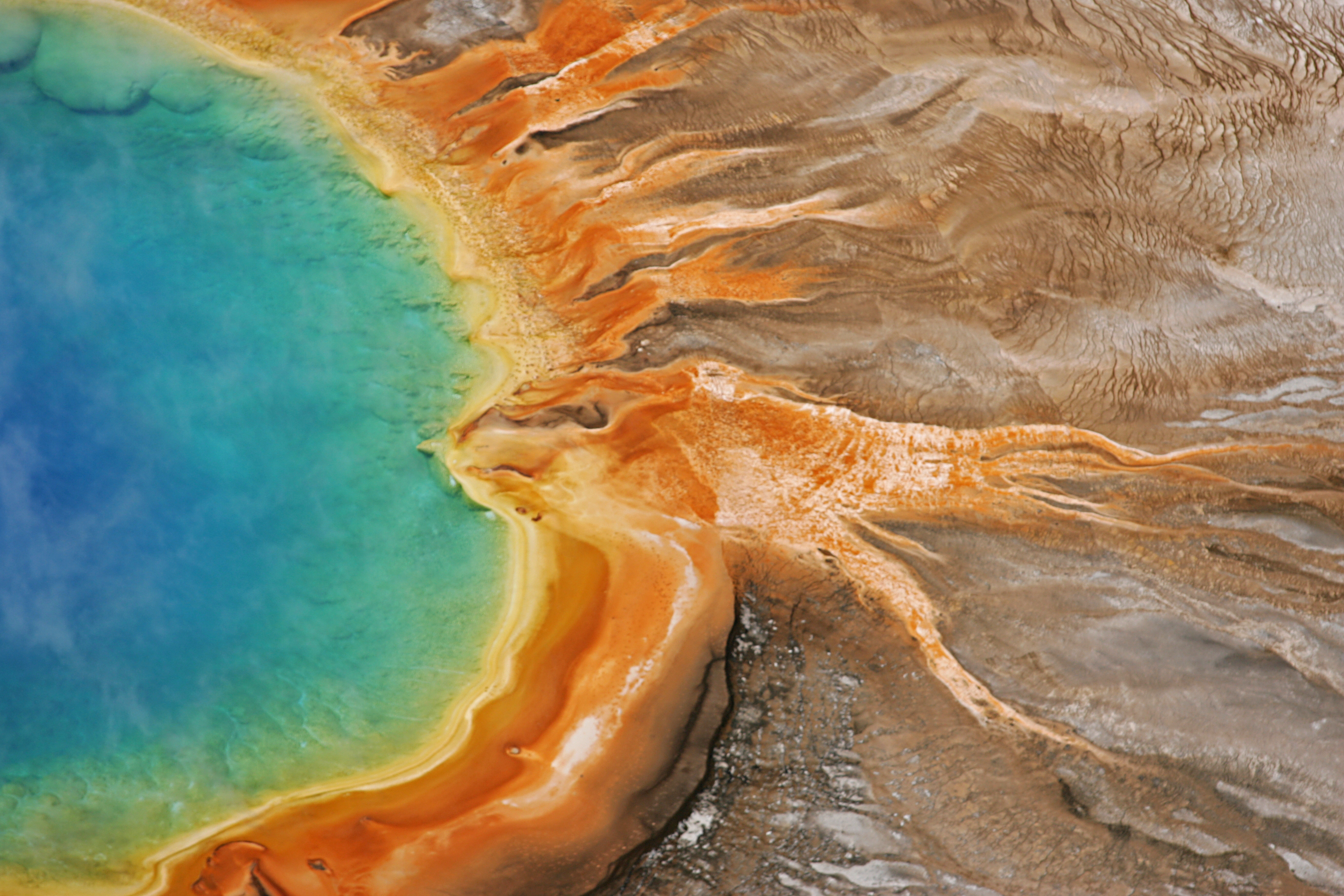
Brilliant blues and greens of a hot spring ringed by oranges, yellows, reds, and browns. YELL National Park

Yellowstone

Photo · NPS/Jim Peaco · NPS source

Jan
Feb
Mar
Apr
May
Jun
Jul
Aug
Sep
Oct
Nov
Dec
PeakJul
QuietNov
Spread39×
Annual4.43M
Best
window

Mid-September after Labor Day

Read the calendar
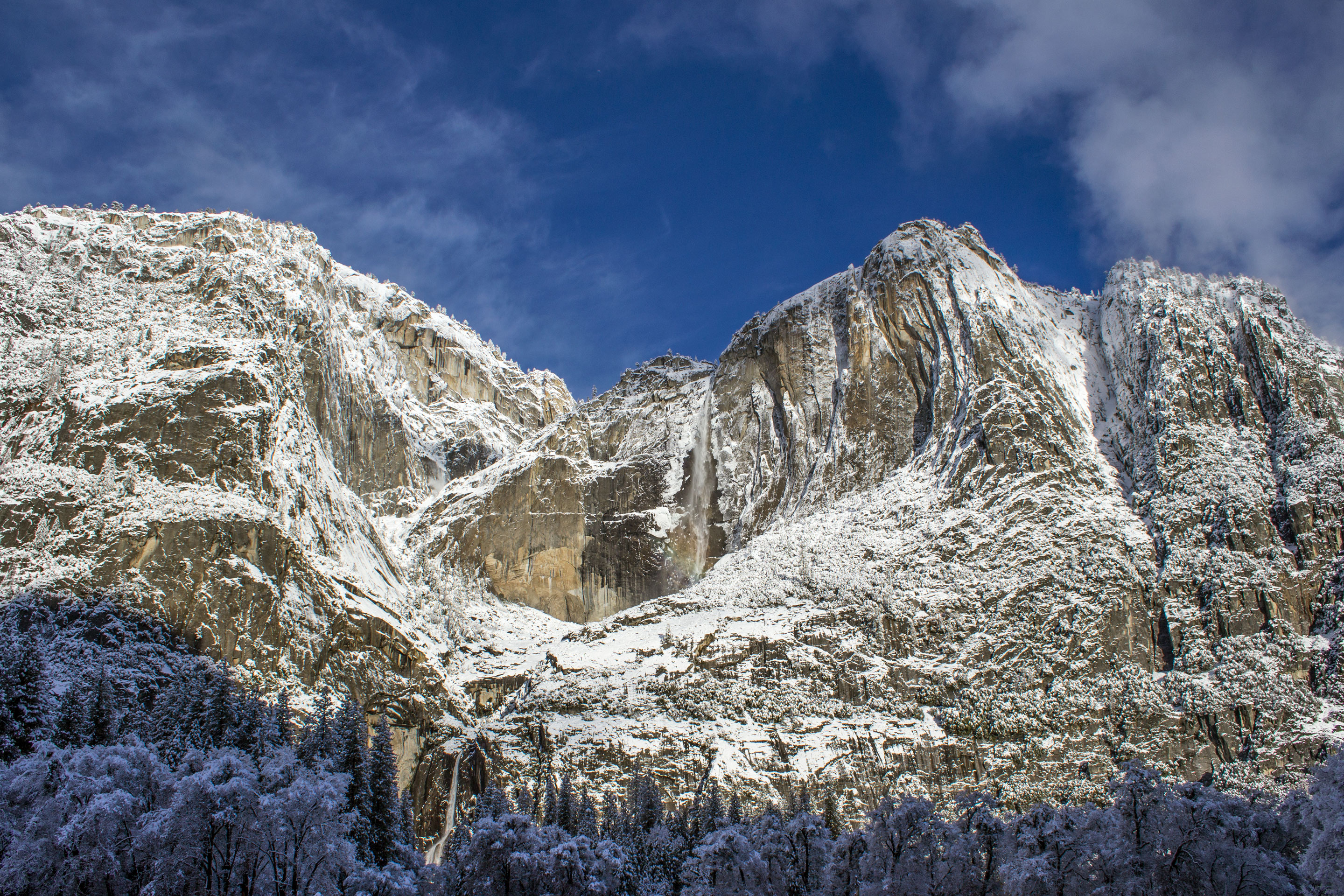
Two tall waterfalls flowing down snow covered granite walls. YOSE National Park

Yosemite

Photo · NPS / Cindy Jacoby · NPS source

Jan
Feb
Mar
Apr
May
Jun
Jul
Aug
Sep
Oct
Nov
Dec
PeakAug
QuietJan
Spread
Annual3.85M
Best
window

Mid-September after Labor Day

Read the calendar

The canyon glows orange as people visit Mather Point, a rock outcropping that juts into Grand Canyon. GRCA National Park

Grand Canyon

Photo · NPS/M.Quinn · NPS source

Jan
Feb
Mar
Apr
May
Jun
Jul
Aug
Sep
Oct
Nov
Dec
PeakJul
QuietJan
Spread
Annual4.67M
Best
window

April-May or September-October

Read the calendar

The Almanac Index.

The ten most-visited National Parks, read against their own twelve-month curves. Each sparkline is the park's average monthly visits; rust marks its peak, ochre its quietest stretch.

Top 10 · By annual
visitor count · 2025
No. I · Top 10 by Visitors
5-year mean ·through 2025
NPS Visitor Use Statistics
Rank Park Monthly curve Peak Quietest Spread Annual
1GRSM Great Smoky Mountains ↗ National Park · NC,TN · NPS.gov Oct · 1607K Jan · 416K peak ÷ quiet 12.82M5-yr mean
2ZION Zion ↗ National Park · UT · NPS.gov Jun · 602K Jan · 139K peak ÷ quiet 4.86M5-yr mean
3GRCA Grand Canyon National Park · AZ · Best-time guide Jul · 531K Jan · 169K peak ÷ quiet 4.67M5-yr mean
4YELL Yellowstone National Park · ID,MT,WY · Best-time guide Jul · 923K Nov · 24K 39×peak ÷ quiet 4.43M5-yr mean
5ROMO Rocky Mountain ↗ National Park · CO · NPS.gov Jul · 795K Feb · 112K peak ÷ quiet 4.24M5-yr mean
6ACAD Acadia ↗ National Park · ME · NPS.gov Aug · 799K Feb · 14K 58×peak ÷ quiet 3.99M5-yr mean
7YOSE Yosemite National Park · CA · Best-time guide Aug · 537K Jan · 115K peak ÷ quiet 3.85M5-yr mean
8GRTE Grand Teton ↗ National Park · WY · NPS.gov Jul · 732K Dec · 49K 15×peak ÷ quiet 3.51M5-yr mean
9OLYM Olympic ↗ National Park · WA · NPS.gov Aug · 626K Jan · 82K peak ÷ quiet 3.08M5-yr mean
10JOTR Joshua Tree ↗ National Park · CA · NPS.gov Mar · 411K Jul · 137K peak ÷ quiet 3.06M5-yr mean
Source · NPS Visitor Use Statistics Data Package, 2025 Method · Rank by 5-year mean recreation visits Coverage · 10 of 63 National Parks

Plan by month.

Twelve month pages. Each one ranks the parks that read best for that month against NPS visit data and the operations calendar.

Cross-park month lists
NPS visitor-use data
JanuaryPick of the month
Big BendCold-desert quiet, river canyons open
Read the month
FebruaryPick of the month
EvergladesDry season, mosquitoes on holiday
Read the month
MarchPick of the month
Joshua TreeDesert bloom, no summer heat
Read the month
AprilPick of the month
ZionWatchman trails before the shuttle queue
Read the month
MayPick of the month
YosemiteWaterfalls run their hardest
Read the month
JunePick of the month
OlympicRain shadow opens, coast warms
Read the month
JulyPick of the month
GlacierGoing-to-the-Sun Road wide open
Read the month
AugustPick of the month
Crater LakeCaldera at peak indigo blue
Read the month
SeptemberPick of the month
Rocky MountainAspens turn, elk bugle starts
Read the month
OctoberPick of the month
AcadiaFoliage and the Cadillac sunrise
Read the month
NovemberPick of the month
Great SmokiesLower-elevation color and quiet trails
Read the month
DecemberPick of the month
Death ValleyStar-grade dark skies, comfortable days
Read the month

The Crowd Index.

Ten parks, twelve months. Each cell is shaded against that park's own peak month, not against other parks, so a "lowest" cell at Yellowstone and a "lowest" cell at Grand Canyon both mean "the year's emptiest stretch for this park."

10 parks × 12 months
The empties, mapped
No. II · Crowd Calendar
Peak High Moderate Low Lowest
Park JanFebMarAprMayJunJulAugSepOctNovDec
Great Smoky Mountains ↗ National Park · NC,TN
26%
30%
55%
64%
77%
91%
96%
76%
74%
100%
62%
47%
Zion ↗ National Park · UT
23%
25%
68%
81%
94%
100%
92%
77%
79%
82%
50%
36%
Grand Canyon National Park · AZ
32%
34%
67%
85%
95%
94%
100%
90%
81%
83%
62%
56%
Yellowstone National Park · ID,MT,WY
5%
5%
4%
8%
55%
90%
100%
89%
86%
33%
3%
4%
Rocky Mountain ↗ National Park · CO
15%
14%
19%
21%
40%
79%
100%
85%
75%
50%
19%
16%
Acadia ↗ National Park · ME
2%
2%
4%
13%
41%
77%
98%
100%
83%
70%
9%
2%
Yosemite National Park · CA
21%
24%
25%
48%
71%
95%
100%
100%
88%
77%
40%
28%
Grand Teton ↗ National Park · WY
8%
8%
9%
10%
42%
86%
100%
92%
77%
34%
7%
7%
Olympic ↗ National Park · WA
13%
15%
21%
21%
40%
48%
80%
100%
67%
42%
28%
16%
Joshua Tree ↗ National Park · CA
64%
72%
100%
89%
62%
43%
33%
34%
39%
51%
76%
83%
What this shows Each cell is this park's monthly visits as a percentile of its own peak month; Yellowstone's quietest stretch and Grand Canyon's quietest stretch are both "lowest" on this chart, even though Grand Canyon's lowest month moves more people than Yellowstone's peak. Cells are shaded by quintile against the park's twelve-month spread, not against the network.
Source · NPS Visitor Use Statistics
5-year mean · 2025

The Cross-park Data Answers.

For the questions that don't belong to one park. Which parks are quietest? Which are most lopsided across the calendar? Which carry the headline visitor counts?

Ranked from the full
NPS visitor-use record
Least crowded

The 10 quietest National Parks.

Ranked against five-year recreation-visit totals. The lower the rank, the easier the trail.

Open the list
Busiest right now

The peaks of the calendar.

Which parks bunch their visits into the tightest stretch of the year; and how lopsided the curve really is.

Open the list
Most visited

The annual visitation leaderboard.

Total recreation visits per year, ranked. The headline number behind every "America's most-visited park" headline.

Open the list
By month, all parks

Visitation patterns by month.

Network-wide monthly recreation visits. The shoulder months hide where the bargains are.

Open the list

Why this almanac
exists.

Independent, reader-supported.
Not affiliated with or endorsed
by the National Park Service.

Most travel sites tell you to visit Yellowstone in summer. The data tells you when summer breaks. We turn the National Park Service's own 47-year visitor-use record into crowd timing, seasonality, and shoulder weeks worth knowing.

Every page here is built on the official NPS Visitor Use Statistics Data Package, 2025. Monthly averages smooth across five reporting years. Crowd reads are percentile against each park's own twelve-month distribution, not against other parks.

We use "NPS sites" or "National Park Service sites" when covering all unit types, and "National Parks" only for units that carry that designation. We don't use the NPS Arrowhead. We're not official. We're just people who read the data so you don't have to. Read more about the project →

SourceNPS Visitor Use Statistics
Range1979, 2025
EditorNicholas Major
RefreshQuarterly
"The data doesn't tell you
where to go.
It tells you when."
The Reader's Rule Pick a park you love. Read its twelve-month visitation curve. The cheapest, quietest, most photogenic week of the year is almost always sitting between the peak and the second-busiest month, and almost never on a holiday weekend. Use the chart, not the calendar.
The Almanac Mailing

A short monthly note:
the calendar windows
worth knowing.

One email a month. The park worth looking at, the week to book, the window that's closing. Unsubscribe in a click.
We file your address with care. One email per month. 47 years of data on the back end.