Per-month · July

Olympic in July.

July is a peak-crowd, peak-operations audience month.

By Nicholas Major · Last updated

July is the driest month at Olympic and ties August as the operational peak. The five-year mean is about 502,000 recreation visits — 80% of August's peak — driven by school-summer-break traffic from across the Pacific Northwest and beyond. All three landscapes operate at full cadence: Hurricane Ridge Road runs daily, the Hoh and Quinault rainforest valleys are at their driest, and coastal beaches at Kalaloch and Ruby Beach reach their best summer low-tide windows. NOAA normals at the Elwha gateway station record a July high near 74°F and just 0.74 inches of rainfall — the year's driest reading. Subalpine wildflowers at Hurricane Ridge peak through the first three weeks. The Independence Day window is the densest stretch of the month. For visitors locked to a peak-summer school-break window, July is the cleanest three-landscape operational month.

Crowd snapshot.

July is the operational-peak month at Olympic by five-year mean — about 502,000 recreation visits, second only to August. The Hoh Rain Forest trailhead parking fills before mid-morning on weekends; Hurricane Ridge parking circle reaches capacity on summer afternoons. Kalaloch Lodge and Sol Duc Hot Springs Resort are sold out weeks in advance. The Independence Day window (July 3-5) is the densest weekend of the month; mid-month and late month run marginally easier as some Pacific Northwest visitors shift trips to other Cascades destinations.

FieldValue
July recreation visits (5-yr mean)501,508
Share of August's peak80%
Crowd bandhigh
Park's busiest month (5-yr mean)August
Park's quietest month (5-yr mean)January

Weather snapshot.

The Elwha NOAA station records a July high near 73.6°F and a low near 50.7°F. The monthly precipitation normal of 0.74 inches is the year's driest reading and the Pacific Northwest's classic summer-dry pattern. Marine fog at the coast burns off by late morning on most days; afternoon sun is reliable across all three landscapes. Hurricane Ridge subalpine terrain is fully snow-free; afternoon ridge winds remain routine. The Hoh and Quinault rainforest valleys reach their driest annual conditions but the canopy retains moisture. Smoke risk in regional fire years is highest July through August.

FieldValue
Average high (°F)73.6
Average low (°F)50.7
Precipitation (inches)0.74
Snowfall (inches)0.0
Weather bandwarm
StationElwha Ranger Station, WA at 360 ft

Access snapshot.

Hurricane Ridge Road runs daily — full summer schedule per the NPS Olympic Hurricane Ridge page. Obstruction Point Road is open (typical mid-June through October 15 window). Sol Duc Hot Springs Resort runs its summer season per the NPS Olympic lodging page. All in-park campgrounds at full operation per the NPS Olympic camping page (Hoh reservation window mid-cycle; Kalaloch and Mora mid-cycle). US-101 and the rainforest valley spurs at peak demand. The standard 7-day vehicle pass is $30 per the NPS Olympic fees page.

FieldValue
July access score (0-100)100
Year-round routeUS-101 + rainforest valley spurs (Hurricane Ridge Road on Fri-Sun + holiday Monday schedule November through March per NPS)
Verify current road statusOfficial NPS Olympic current road conditions page

Seasonal events.

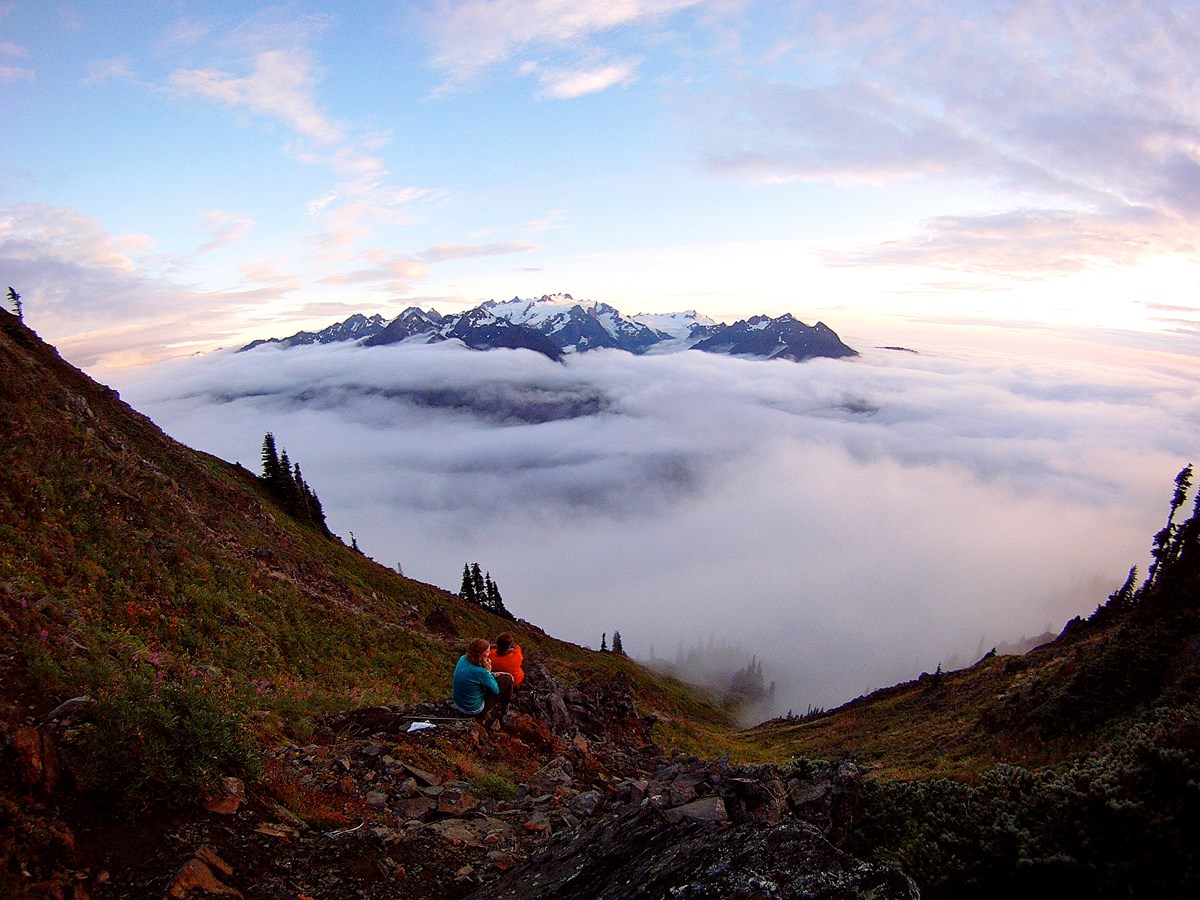
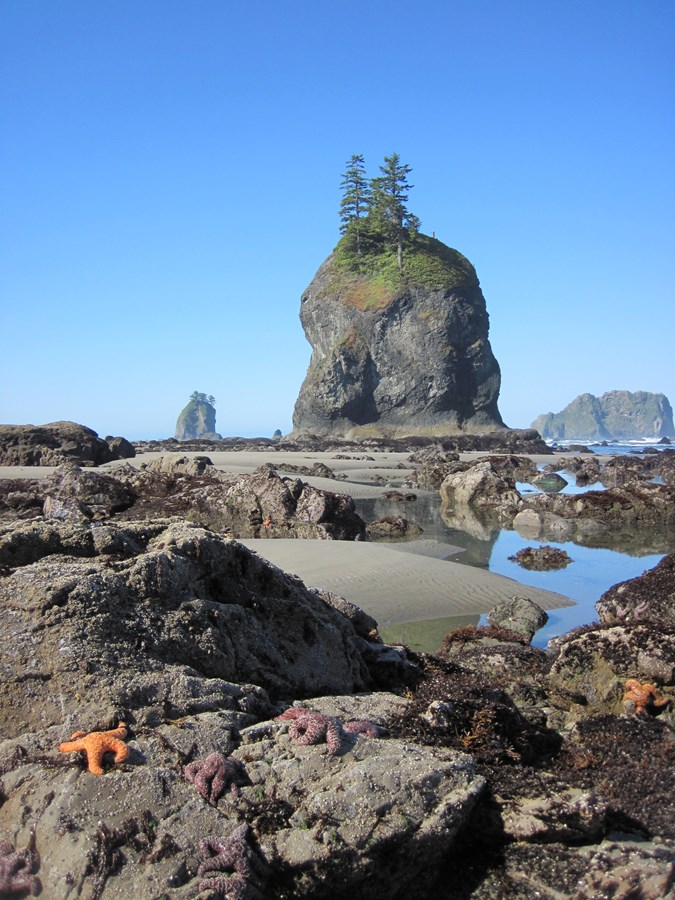
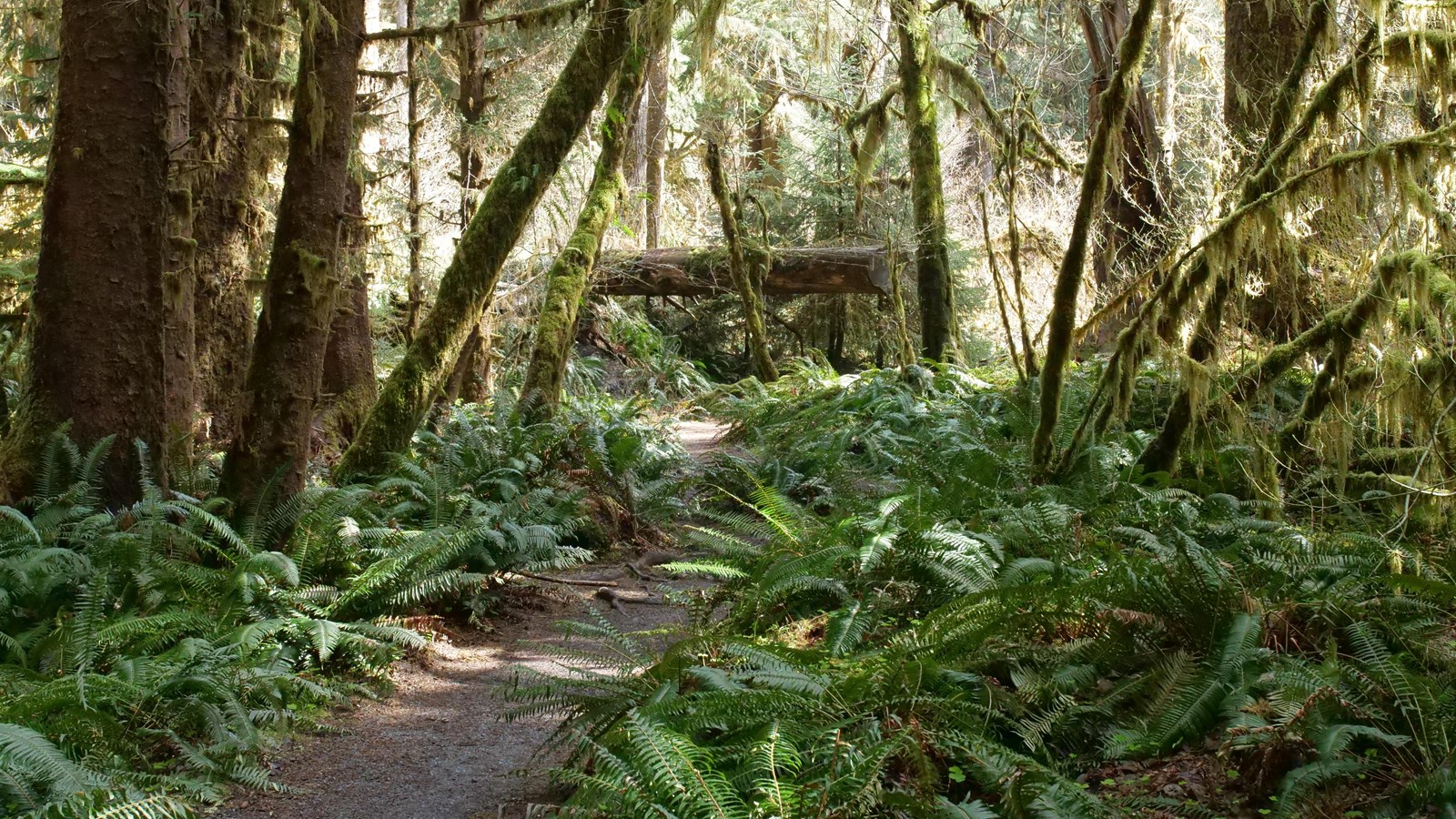
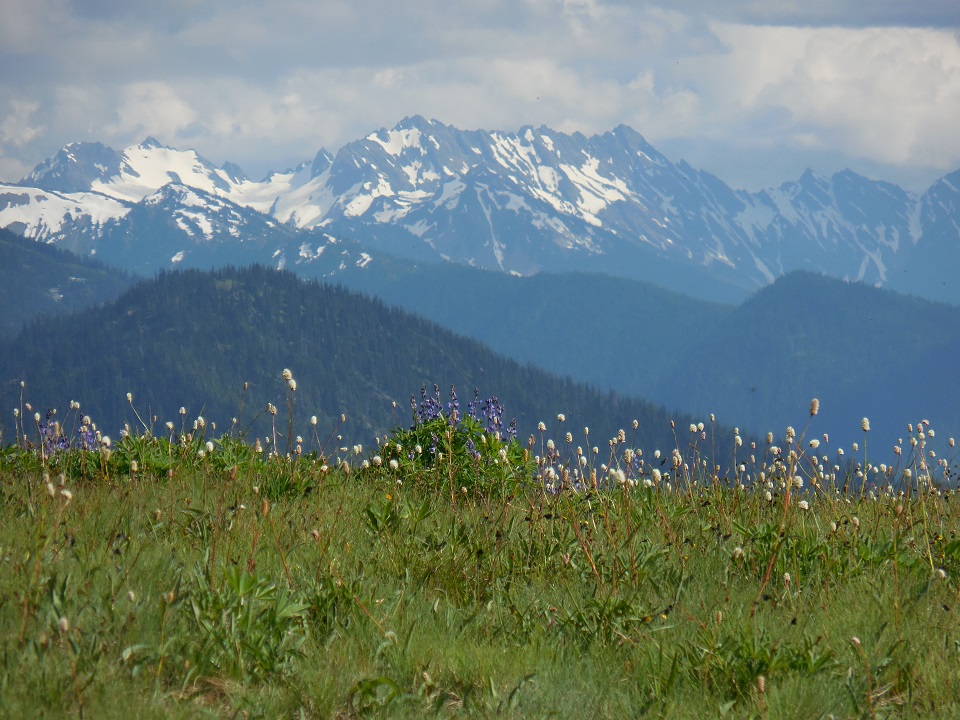
July is subalpine wildflower peak at Hurricane Ridge — lupine, paintbrush, avalanche lily, glacier lily, broadleaf arnica, and heather flowers cover the meadows through the first three weeks. Olympic marmots and Olympic Mountain golden-mantled ground squirrels are at peak alpine activity. Roosevelt elk in the Hoh and Quinault valleys continue summer foraging at the river meadows. Coastal sea-stack low-tide windows reach the year's strongest summer pattern. The Hoh Rain Forest is bright, green, and at its driest. Black bear sightings continue across all three landscapes. Salmon runs build in the lower river corridors.

Audience verdict.

July is a peak-crowd, peak-operations audience month. It rewards families locked to mid-summer school breaks (the only month with all three landscapes at full dry operation), photographers chasing subalpine wildflowers and the year's best low-tide coastal compositions, and visitors targeting the rainforest at its bright-and-dry summer peak. It is hostile to anyone optimizing for solitude — Hurricane Ridge parking, Hoh trailhead parking, and Kalaloch and Sol Duc lodging are all at their hardest. RV travelers should book months ahead. Anyone who can flex outside school-locked weeks should look at the last 10 days of August into mid-September.

Methodology

Monthly recreation visits come from the official NPS Visitor Use Statistics Data Package, 2025 on NPS IRMA Stats; the statistic shown is Recreation Visits, the 5-year mean across 1979-2025. Climate normals come from NOAA NCEI's 1991-2020 U.S. Climate Normals at Elwha Ranger Station, WA (station USC00452548, 360 ft elevation). The access score weights named park roads by route importance for typical wheeled-vehicle openings that month. Year-variable specifics — exact Hurricane Ridge Road winter schedule, Obstruction Point Road open/close dates, Sol Duc Hot Springs Resort window, Hoh Campground reservation window — drift year to year and are hedged in the editorial above; confirm current dates on the official NPS Olympic page before booking. Independent site, not affiliated with the National Park Service.

Independence

Independent site. Not affiliated with or endorsed by the National Park Service. Data comes from the official NPS Visitor Use Statistics Data Package, 2025; editorial analysis is ours. The NPS Arrowhead and other NPS marks are not used.

Last updated · 2026-05-28