Per-month · December

Olympic in December.

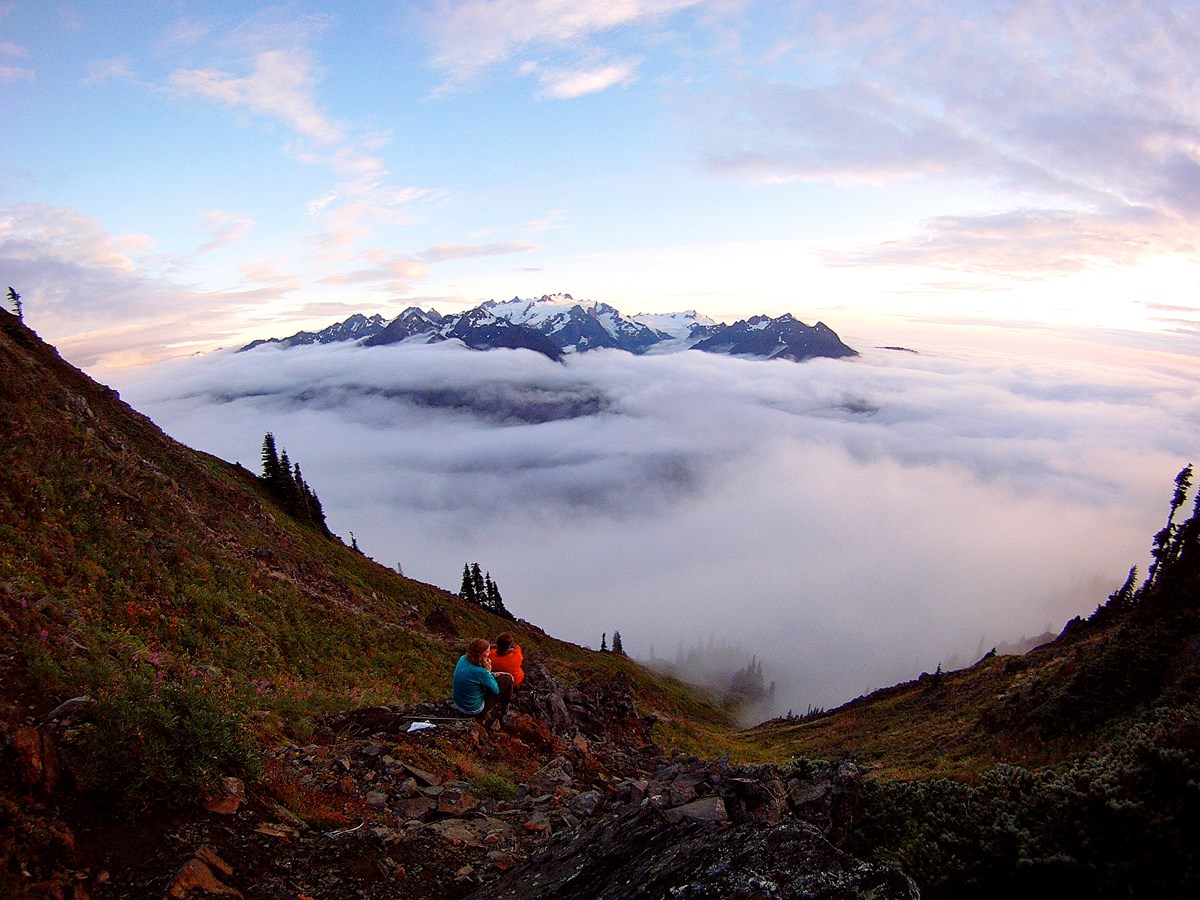
December serves the same three-landscape audience as January with a holiday-week caveat: storm-watchers at Kalaloch, photographers chasing saturated rainforest moss in the Hoh, weekend snowshoers willing to drive Hurricane Ridge Fri-Sun with chains, and visitors who want the year's quietest Olympic across all three landscapes.

By Nicholas Major · Last updated

December is the second-quietest month at Olympic, with a five-year mean near 100,000 recreation visits — about 16% of August's peak. Hurricane Ridge Road runs its winter Friday through Sunday plus holiday Monday schedule with tire chains required per NPS. The Hoh and Quinault rainforest valleys are at peak moss saturation; the coastal strip is in storm-watching season. NOAA normals at the Elwha gateway station record a high near 41°F with overnight lows near 33°F and 9.92 inches of rainfall — the third-wettest month of the year, just behind November. Sol Duc Hot Springs Resort remains closed for the season. The Christmas-to-New-Year holiday window pulls a noticeable bump but the rest of the month runs as Olympic's deep off-season. Daylight is the year's shortest. For visitors who want quiet Olympic across all three landscapes with active winter storm-watching, December is a strong window.

Crowd snapshot.

December runs about 100,000 recreation visits in the five-year mean — about 16% of August's peak. The first three weeks remain firmly off-season with empty trailheads on weekdays and light traffic at Kalaloch and Lake Quinault Lodge. The Christmas-to-New-Year holiday window is a noticeable bump as the Pacific Northwest market (Seattle, Olympic Peninsula towns) treats Olympic as a winter destination; Kalaloch Lodge and Lake Quinault Lodge tighten for 7-10 days around the holidays before easing back into January's off-season baseline. Hurricane Ridge Fri-Sun winter weekend access absorbs the limited alpine demand.

FieldValue
December recreation visits (5-yr mean)99,558
Share of August's peak16%
Crowd bandlow
Park's busiest month (5-yr mean)August
Park's quietest month (5-yr mean)January

Weather snapshot.

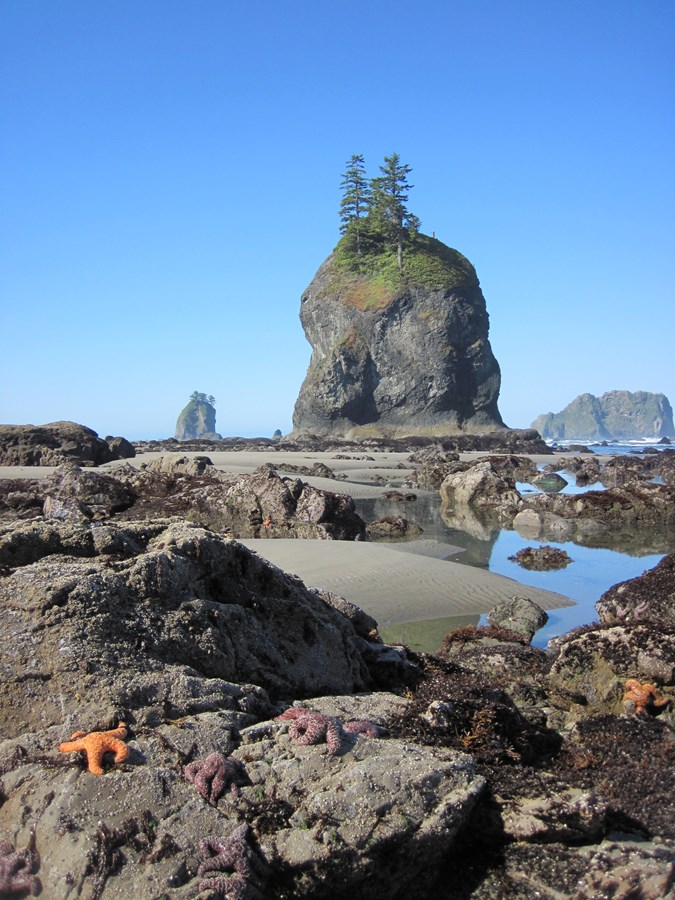
The Elwha NOAA station records a December high near 40.7°F — the year's coldest tie with January — and a low near 32.7°F. The monthly rainfall normal of 9.92 inches is the third-wettest reading of the year. Snow at the gateway station averages just 0.1 inch but Hurricane Ridge at 5,242 ft is reliably under substantial alpine snowpack. Coastal storm cycles continue at near-peak intensity at Kalaloch and Ruby Beach. The Hoh and Quinault rainforest valleys are saturated. Daylight is the year's shortest, with usable photography light extending barely past 4:30 p.m. local time. Cold-pool inversions in the Hoh and Quinault valleys produce occasional clear-cold mornings between storms.

FieldValue
Average high (°F)40.7
Average low (°F)32.7
Precipitation (inches)9.92
Snowfall (inches)0.1
Weather bandcold
StationElwha Ranger Station, WA at 360 ft

Access snapshot.

Hurricane Ridge Road runs its Friday through Sunday plus holiday Monday winter schedule with chains required per the NPS Olympic Hurricane Ridge page. US-101 and the rainforest valley spurs run year-round. Sol Duc Hot Springs Resort remains closed for the season per the NPS Olympic lodging page; Sol Duc Campground reservations do not resume until March 20 per the NPS Olympic camping page. Kalaloch and Mora year-round campgrounds operate first-come. Kalaloch Lodge and Lake Quinault Lodge stay open through the winter; Lake Crescent Lodge's Roosevelt Cabins remain open in winter per NPS.

FieldValue
December access score (0-100)65
Year-round routeUS-101 + rainforest valley spurs (Hurricane Ridge Road on Fri-Sun + holiday Monday schedule November through March per NPS)
Verify current road statusOfficial NPS Olympic current road conditions page

Seasonal events.

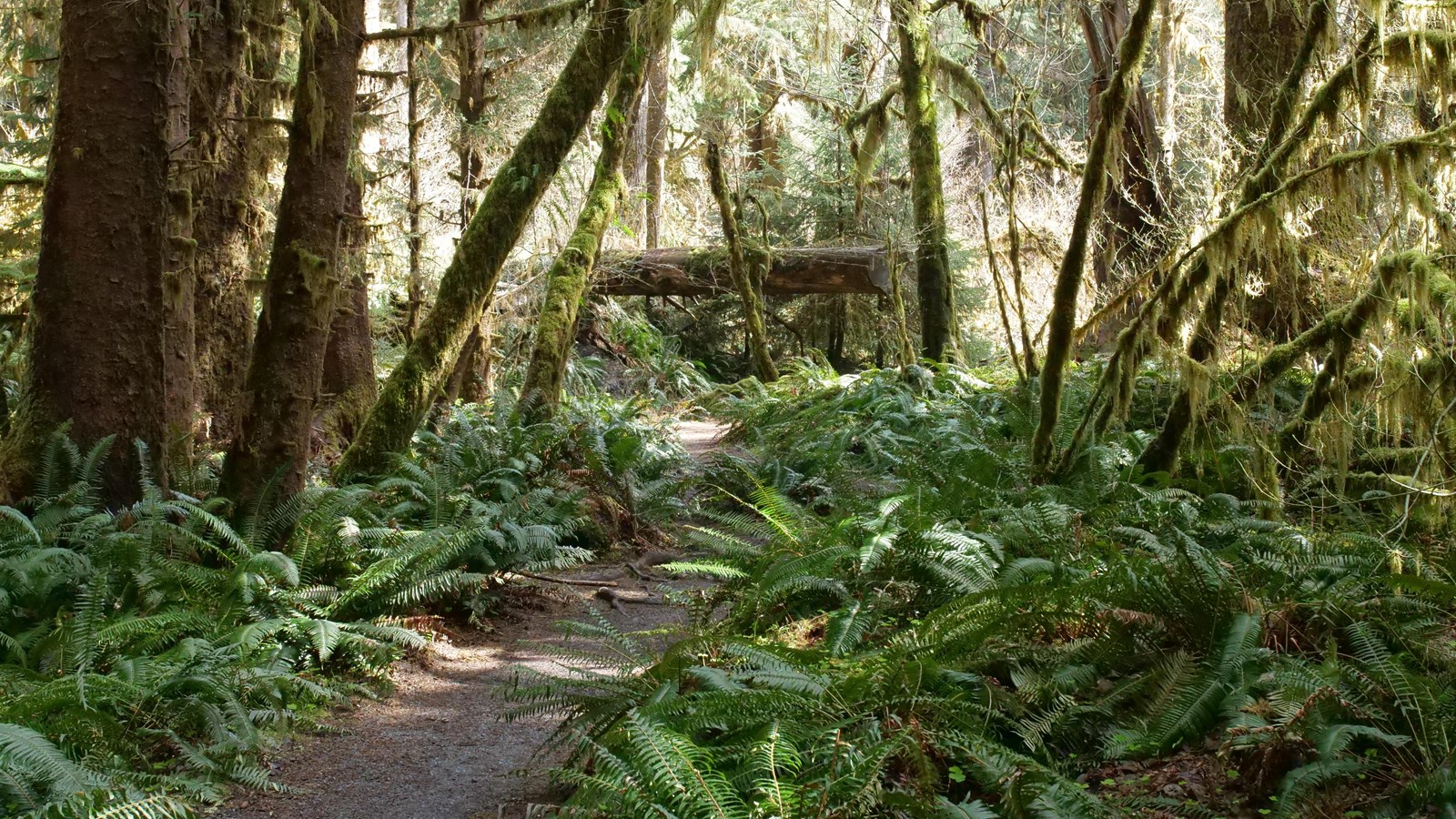
December is winter-recreation prime at Hurricane Ridge on the Fri-Sun winter weekend window — snowshoeing and sledding draw the season's steady alpine crowd. Coastal storm-watching at Kalaloch reaches one of the year's strongest stretches; Pacific swell delivers dramatic high-tide displays at Ruby Beach and the southern coastal pullouts. The Hoh and Quinault rainforest valleys are at deep winter moss saturation; the Hall of Mosses loop is at its annual photographic peak. Bald eagles continue late-season salmon-river foraging in the river corridors. Wintering raptors hold territory along the river valleys. Late-month daylight reaches the year's minimum at the winter solstice (December 21) before beginning to lengthen.

Audience verdict.

December serves the same three-landscape audience as January with a holiday-week caveat: storm-watchers at Kalaloch, photographers chasing saturated rainforest moss in the Hoh, weekend snowshoers willing to drive Hurricane Ridge Fri-Sun with chains, and visitors who want the year's quietest Olympic across all three landscapes. The Christmas-to-New-Year window is the one local-peak; visitors who want the deepest quiet should target the first three weeks. Families with kids on a winter-break trip can pair a Fri-Sun Hurricane Ridge snow day with a Hoh moss walk and a Kalaloch storm-watching afternoon.

Methodology

Monthly recreation visits come from the official NPS Visitor Use Statistics Data Package, 2025 on NPS IRMA Stats; the statistic shown is Recreation Visits, the 5-year mean across 1979-2025. Climate normals come from NOAA NCEI's 1991-2020 U.S. Climate Normals at Elwha Ranger Station, WA (station USC00452548, 360 ft elevation). The access score weights named park roads by route importance for typical wheeled-vehicle openings that month. Year-variable specifics — exact Hurricane Ridge Road winter schedule, Obstruction Point Road open/close dates, Sol Duc Hot Springs Resort window, Hoh Campground reservation window — drift year to year and are hedged in the editorial above; confirm current dates on the official NPS Olympic page before booking. Independent site, not affiliated with the National Park Service.

Independence

Independent site. Not affiliated with or endorsed by the National Park Service. Data comes from the official NPS Visitor Use Statistics Data Package, 2025; editorial analysis is ours. The NPS Arrowhead and other NPS marks are not used.

Last updated · 2026-05-28