October
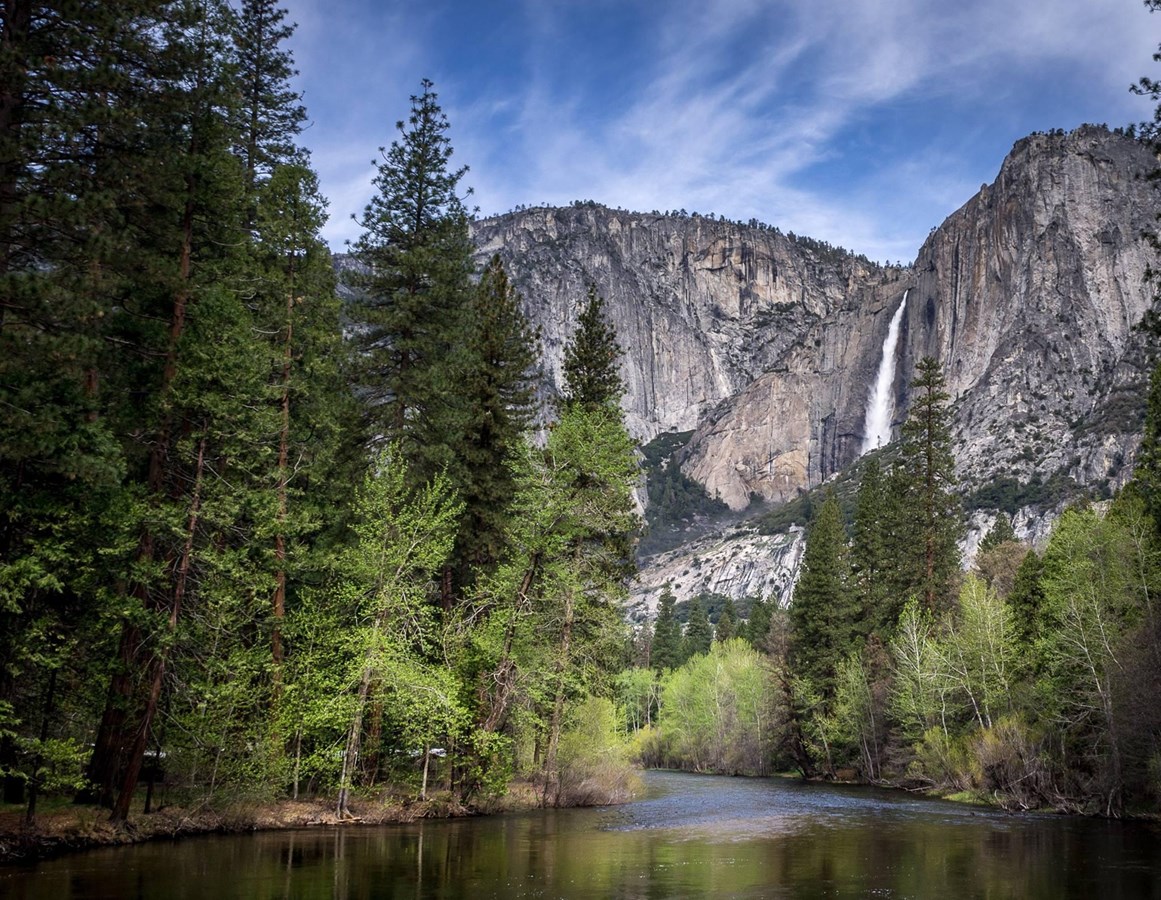
Valley color, low fallsBig-leaf maples, black oaks and dogwoods often become showy around mid-October. Expect little or no water at some falls.
412,607 average visits in October
Yosemite in fall favors Valley walks and changing deciduous trees over full waterfalls. October often brings the best tree color; November needs a flexible plan for rain, snow and high-road closures.
Last checked:
Read official alerts before choosing your route.
Check seasonal access and the places you want to visit.
Confirm the property or campground calendar before booking.
Compare early-season outings with later weather and service changes.
Big-leaf maples, black oaks and dogwoods often become showy around mid-October. Expect little or no water at some falls.
412,607 average visits in October
Rain, snow and high-road closures make Valley and Wawona outings more dependable planning choices than a Tioga crossing. Check chain controls.
216,341 average visits in November
Choose a lower-elevation or high-country outing for the actual conditions.
Look for black oaks, maples and dogwoods around the Valley. Yosemite’s forests are not one uniform fall-color display.
Choose the landscape setting with low-flow expectations. Yosemite Falls can have little or no water in fall.
Keep lower elevations as the core plan when high roads no longer suit. Check individual trails after storms.
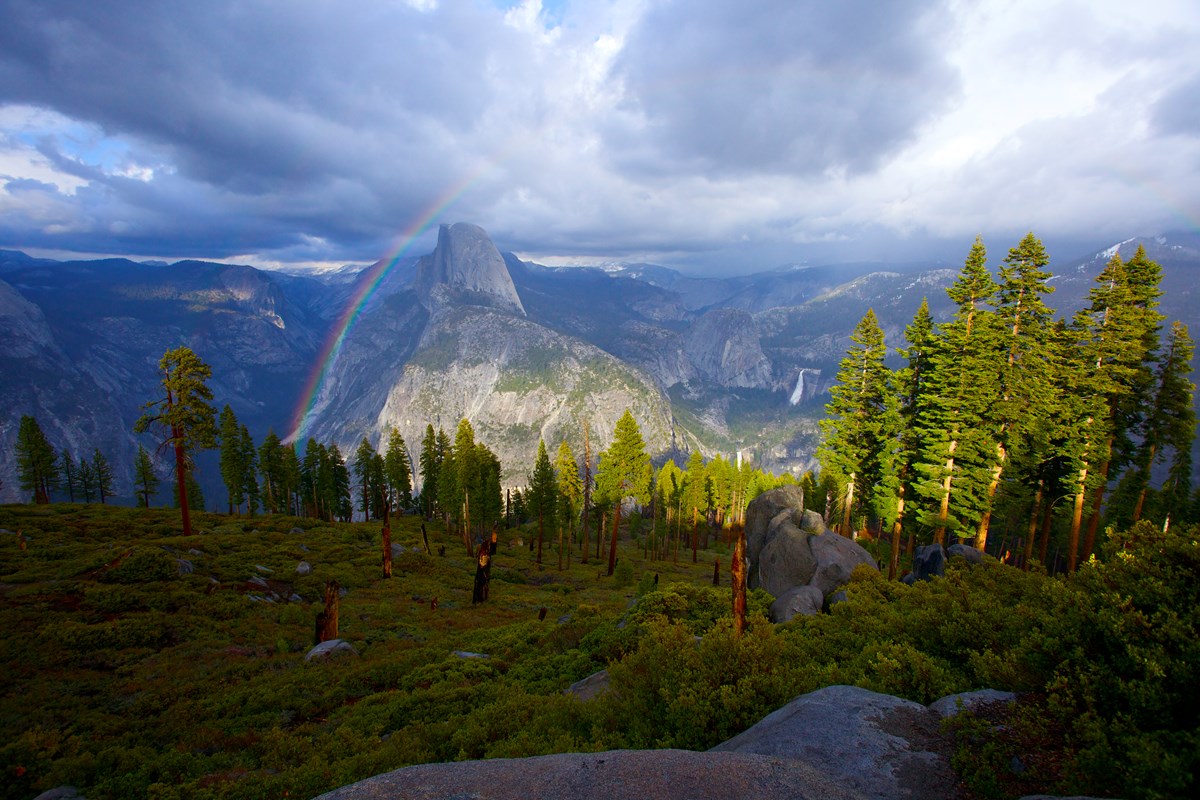
Keep the Valley as a separate trip area from Glacier Point and the Tioga high country.
Check the seasonal access and equipment decisions before fixing the route.
High-road access depends on autumn weather. Tioga and Glacier Point overnight parking has a separate autumn cutoff.
Yosemite Valley and Wawona normally remain reachable by car, but weather can require chains. Check road and chain guidance before driving.
Use a confirmed Valley room as the base for a lower-elevation trip.
A year-round lodge near Yosemite Falls. Reserve ahead and confirm the road approach.
Camping Campground dates and reservations need a separate check. A road opening or lodge booking does not establish a campsite.
The highlighted whole months average 314,474 recreation visits per month. August is the annual peak at 537,020.
NOAA 1991-2020 averages at Yosemite Park HQ, CA (Yosemite Valley). Valley station averages do not describe the high country; check your destination’s forecast separately.
Quick answers to the practical questions below.
Yosemite in fall favors Valley walks and changing deciduous trees over full waterfalls. October often brings the best tree color; November needs a flexible plan for rain, snow and high-road closures.
October: Valley color, low falls. November: Stay flexible in the Valley.
Yosemite Valley and Wawona normally remain reachable by car, but weather can require chains. Check road and chain guidance before driving.
An independent guide using official data. Not affiliated with or endorsed by the National Park Service.
NPS seasonal, activity and overnight guidance supports the normal patterns and named choices on this page. Check the linked official pages for current operation and booking details.
Month choices describe the reviewed planning window. Monthly recreation visits are full-calendar-month 2021–2025 averages, including any month partly inside the window.
Temperatures are NOAA 1991-2020 normals at Yosemite Park HQ, CA (Yosemite Valley); Yosemite Park HQ sits at 4,018 ft in Yosemite Valley. The high country runs colder and snowier: Tuolumne Meadows Campground sits at 8,600 ft, and Tioga Road is typically open only from late May or June until sometime in November. NCEI monthly snow normals at the Valley station are 0.0. The Valley is snow-light by elevation, though any winter storm can bring temporary snow. Use these numbers for the Valley; assume a sharp drop for any trip planned into the high country.
Seasonal highlights mark the editorial month window, not guaranteed access or travel-date weather.
Operational source check: October 21, 2026. Design and emphasized source review: 2026-10-21. A design review does not refresh every underlying record.