April
Valley waterfalls and walksSpring snowmelt feeds the falls. Rain or snow is still possible, and tire chains may be required.
256,083 average visits in April
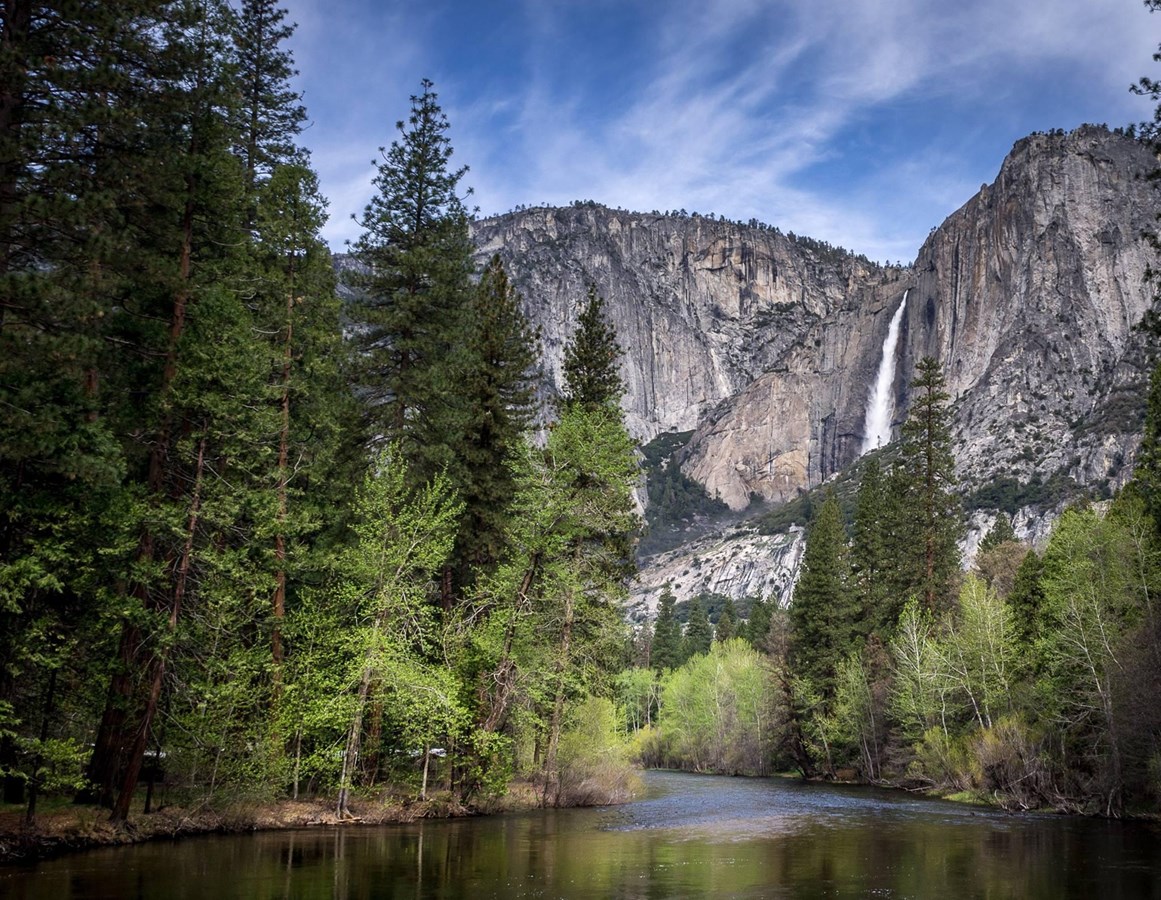
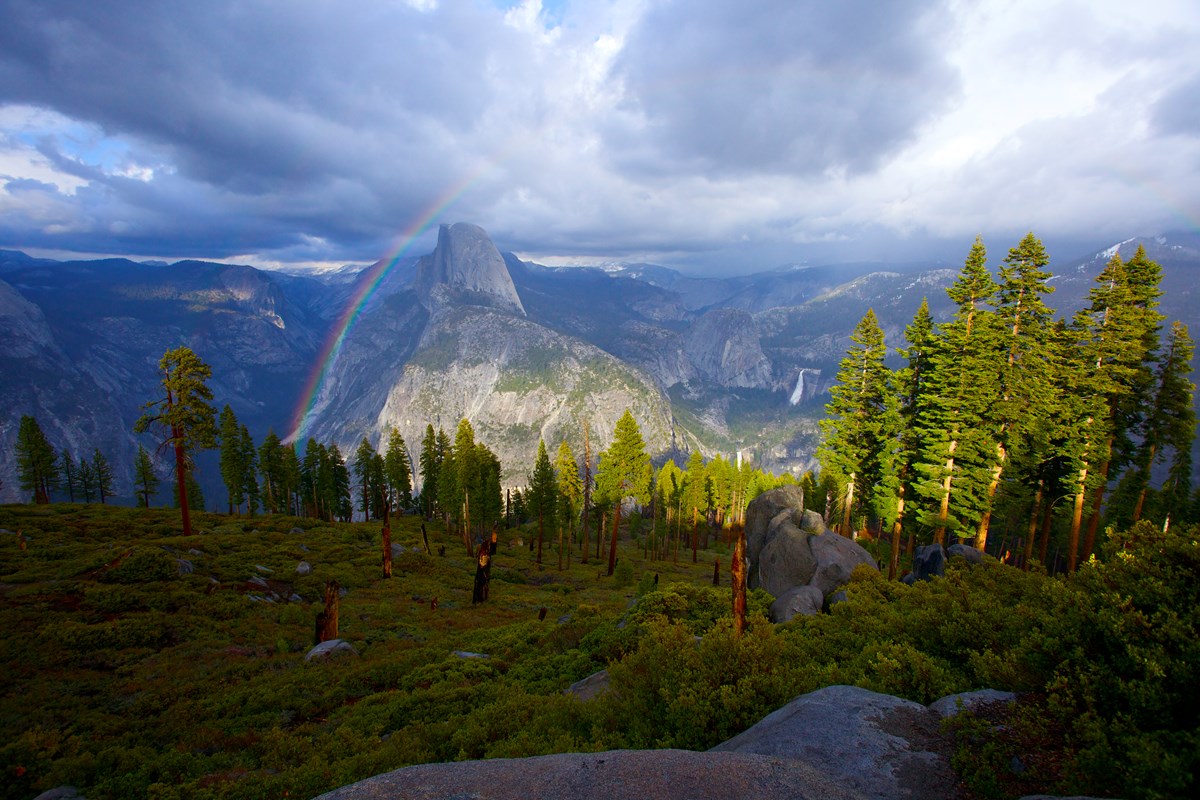
Yosemite in spring is a waterfall trip centered on Yosemite Valley and Wawona. April suits Valley walks; May usually brings peak waterfalls and dogwood blooms. Tioga and Glacier Point roads often stay snowbound into late May or June, so make lower elevations the core of your trip.
Last checked:
Read official alerts before choosing your route.
Check the Valley, Wawona and high-country differences.
Read waterfall access and river-safety advice.
This guide follows the park's April-and-May spring window. Choose your month around waterfall flow and lower-elevation walks.
Spring snowmelt feeds the falls. Rain or snow is still possible, and tire chains may be required.
256,083 average visits in April
Waterfalls usually peak in mid- to late May. Valley day hikes are usually snow-free, while rim trails can stay snowy or flooded.
383,092 average visits in May
A pleasant day in Yosemite Valley does not mean the high country is ready for hiking or driving.
Yosemite Valley and Wawona normally remain reachable by car year-round. Check the latest route before setting out.
Tioga and Glacier Point roads often stay snowbound until late May or June. Do not plan a cross-park Tioga drive without confirmation.
Tire chains can still be required in spring. When controls apply, carry chains and know how to use them regardless of vehicle type.
NPS recommends an early arrival, especially on weekends, to reduce entrance and popular-area delays.
Start with the Valley waterfalls. In May, look for flowering dogwood and redbud, too.
View the falls from Yosemite Valley, or walk the loop to Lower Yosemite Fall. Snowmelt usually brings the strongest flow in late spring.
Short trails lead from its parking area to the base. Spring runoff brings heavy flow and spray; stay on the trail and away from slick rocks.
Dogwood and redbud tend to bloom in May. Include a walk for flowering trees alongside the waterfall viewpoints.
Start with Yosemite Valley and Wawona. Treat the higher roads as optional additions once their opening is confirmed.
Stay in Yosemite Valley for waterfall access, or consider a room in a neighboring community.
This year-round lodge is near the base of Yosemite Falls. Reserve early for a spring stay.
A year-round hotel in Yosemite Valley. Compare availability with Valley Lodge before fixing your travel dates.
Camping Reserve well ahead for April and May. Campground opening dates vary with snow and preparation work, so a road opening does not mean its nearby campground is ready.
The highlighted whole months average 319,588 recreation visits per month. August is the annual peak at 537,020.
NOAA 1991-2020 averages at Yosemite Park HQ, CA (Yosemite Valley). These are Yosemite Valley normals. Higher roads and trails can stay snowy well into spring.
Quick answers to the practical questions below.
Yes, especially for waterfalls and lower-elevation sightseeing. This guide follows the NPS April-and-May spring window. Expect variable weather and limited high-country access rather than summer conditions throughout the park.
Yes, for Yosemite Valley waterfalls and lower-elevation walks. Rain, snow and chain controls are still possible. May usually brings the waterfall peak, while higher roads and trails need their own access check.
Spring snowmelt feeds the falls, with peak runoff typically in May or June. Actual flow varies; the season is a useful planning pattern rather than a promise for a specific date.
It often remains closed by snow until late May or June. Check the road opening before relying on it to cross the park; use Yosemite Valley and Wawona for your core spring plan.
Sometimes. When chain controls apply, NPS says to carry chains and know how to use them regardless of vehicle type. Check the road and chain reports before travel.
An independent guide using official data. Not affiliated with or endorsed by the National Park Service.
NPS Visiting in Spring defines this guide's April-and-May scope, seasonal road limits, chain guidance and snowline differences. NPS Waterfalls supplies runoff timing, Lower Yosemite Fall and Bridalveil access, and river-safety advice. Lodging and Campgrounds supply overnight choices; dated entry-reservation rules and live service closures are left to official planning pages and conditions.
The month comparison and activity choices follow the independently reviewed seasonal source packet. Monthly recreation visits are full-calendar-month 2021–2025 averages.
Temperatures are NOAA 1991-2020 normals at Yosemite Park HQ, CA (Yosemite Valley); Yosemite Park HQ sits at 4,018 ft in Yosemite Valley. The high country runs colder and snowier: Tuolumne Meadows Campground sits at 8,600 ft, and Tioga Road is typically open only from late May or June until sometime in November. NCEI monthly snow normals at the Valley station are 0.0. The Valley is snow-light by elevation, though any winter storm can bring temporary snow. Use these numbers for the Valley; assume a sharp drop for any trip planned into the high country.
Seasonal highlights mark the editorial month window, not guaranteed access or travel-date weather.
Operational source check: October 21, 2026. Design and emphasized source review: 2026-10-21. A design review does not refresh every underlying record.