Even though lower elevations can be hot, June through October offer the normal warmer-weather window for Giant Forest walks and seasonal mountain roads. September is our pick because the normal seasonal trip remains practical and average visits are 37% less than the peak in July. September nights are cooler, seasonal campgrounds begin closing, and wildfire smoke can affect travel. Check the route and forecast.
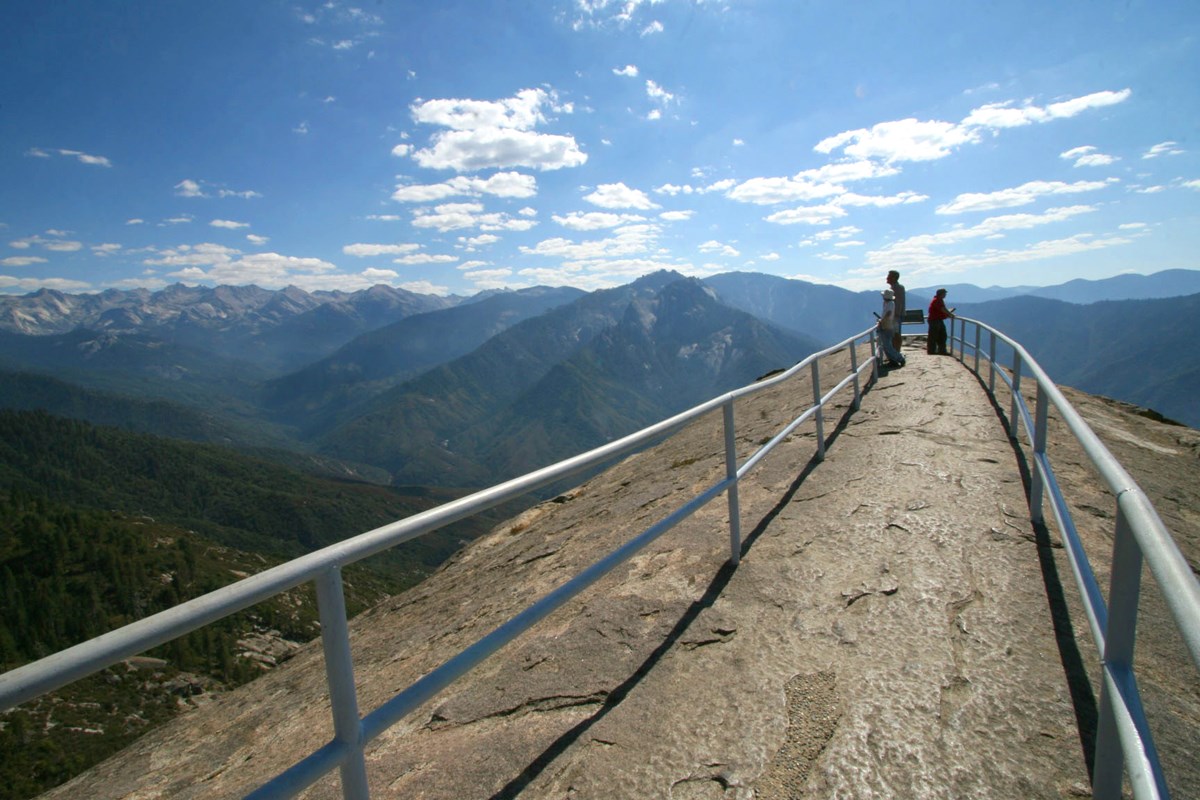
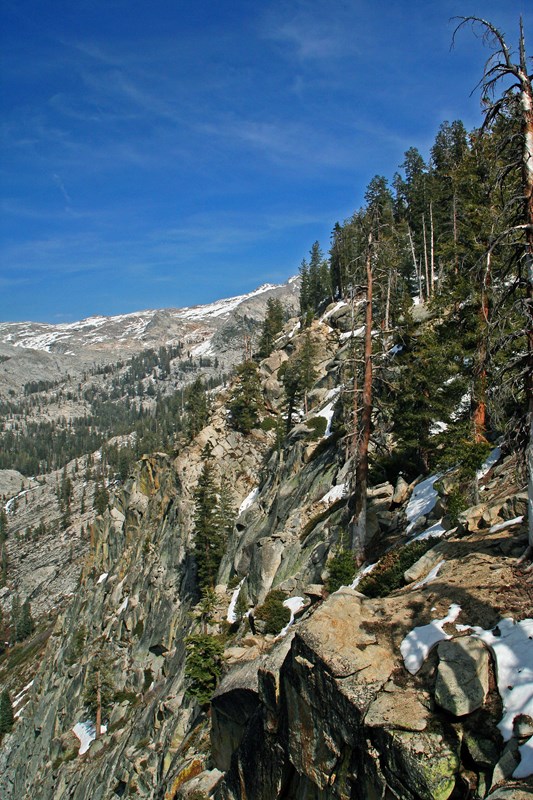
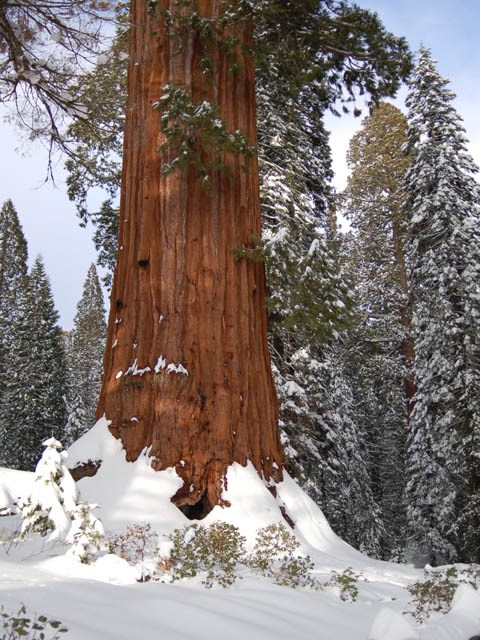
A historic stairway leads to the top of Moro Rock, offering views from foothills to peaksNPS/Paul JohnsonJust above Lodgepole Valley, the trail to the Watchtower offers views above the treeline.NPS/Rick CainFor those who don't mind icy roads, winter offers stunning views of sequoias in snow.NPS
Conditions
Last checked:
Some Trails Closed in the Grant Grove Area Due to Prescribed Burn ActivityClosed · in effect now · nps.gov
Check property dates and booking rules; a normal season does not mean a vacancy.
Compare Sequoia by month.
Compare monthly recreation visits, station weather and the normal seasonal choice for Giant Forest sequoias, General Sherman and Moro Rock area walks, with Mineral King an optional summer extension.
Deep quiet. Groves in snow, chains often required on the Generals Highway. Mineral King and Moro Rock roads closed.Read the January guide →
January crowds
44,736 average January visits in 2021–2025.
Monthly recreation visits
47 annual records · 1979–2025
Scroll the chart to see all years →
Hover, focus or tap a bar to see its year and value.
NPS recreation visits are visits, not unique visitors or a measure of how busy an individual trail feels. Counts can reflect closures, disruptions and changes in counting methods.
The Lodgepole station sits at about 6,735 ft in the park's main sequoia corridor, roughly 2 miles from Giant Forest and the General Sherman Tree. These numbers represent where visitors actually spend their time (the giant sequoia groves, 6,500-7,000 ft). The Ash Mountain foothills entrance sits near 1,700 ft and runs far hotter: NPS gives the foothills an average July high of 97°F, versus 76°F at Lodgepole. The Mineral King campgrounds sit higher still, at about 7,500 ft. Use Lodgepole for the groves, and expect the foothills drive to be much warmer in summer.
January weather through the years at Lodgepole, CA.
Average daily high and low (°F)
36 complete high-temperature records · 24 complete low-temperature records
■ High■ Low
Scroll the chart to see all years →
Hover, focus or tap a bar to see its year and value.
Monthly precipitation (inches)
23 complete rain records
Scroll the chart to see all years →
Hover, focus or tap a bar to see its year and value.
Lodgepole, CA station observations, not a park-wide average or forecast. Complete quality-screened calendar months only, separately by metric. Daily high/low means and total precipitation; incomplete months stay null. No interpolation or substitution. Completed years only; separate from 1991-2020 normals.
Sequoia National Park only: seven NPS-listed frontcountry campgrounds and Wuksachi Lodge. Private Silver City lodging is separately listed for discovery and excluded from the aggregate seasonal signal. Kings Canyon properties and stock camps are outside this comparison. These are normal seasonal schedules, not room or campsite availability.
Developed campground
1Potwisha
Open
Normal year-round foothills campground season.
2Buckeye Flat
Closed
Outside the normal seasonal window. Check exact operator dates.
3Cold Springs
Closed
Outside the normal seasonal window. Check exact operator dates.
4Atwell Mill
Closed
Outside the normal seasonal window. Check exact operator dates.
5Lodgepole
Closed
Outside the normal seasonal window. Check exact operator dates.
6Dorst Creek
Closed
Outside the normal seasonal window. Check exact operator dates.
7South Fork
Open
Normal year-round primitive camping season. Confirm access and service details before travel.
Wilderness camping, guided stays and specialist backcountry accommodations follow separate access, permit and operating rules. They are outside this developed-stay comparison.
Snowiest month and the year's quietest. Chains common on the Generals Highway; the upper park roads stay closed.Read the February guide →
February crowds
40,616 average February visits in 2021–2025.
Monthly recreation visits
47 annual records · 1979–2025
Scroll the chart to see all years →
Hover, focus or tap a bar to see its year and value.
NPS recreation visits are visits, not unique visitors or a measure of how busy an individual trail feels. Counts can reflect closures, disruptions and changes in counting methods.
The Lodgepole station sits at about 6,735 ft in the park's main sequoia corridor, roughly 2 miles from Giant Forest and the General Sherman Tree. These numbers represent where visitors actually spend their time (the giant sequoia groves, 6,500-7,000 ft). The Ash Mountain foothills entrance sits near 1,700 ft and runs far hotter: NPS gives the foothills an average July high of 97°F, versus 76°F at Lodgepole. The Mineral King campgrounds sit higher still, at about 7,500 ft. Use Lodgepole for the groves, and expect the foothills drive to be much warmer in summer.
February weather through the years at Lodgepole, CA.
Average daily high and low (°F)
38 complete high-temperature records · 26 complete low-temperature records
■ High■ Low
Scroll the chart to see all years →
Hover, focus or tap a bar to see its year and value.
Monthly precipitation (inches)
27 complete rain records
Scroll the chart to see all years →
Hover, focus or tap a bar to see its year and value.
Lodgepole, CA station observations, not a park-wide average or forecast. Complete quality-screened calendar months only, separately by metric. Daily high/low means and total precipitation; incomplete months stay null. No interpolation or substitution. Completed years only; separate from 1991-2020 normals.
Sequoia National Park only: seven NPS-listed frontcountry campgrounds and Wuksachi Lodge. Private Silver City lodging is separately listed for discovery and excluded from the aggregate seasonal signal. Kings Canyon properties and stock camps are outside this comparison. These are normal seasonal schedules, not room or campsite availability.
Developed campground
1Potwisha
Open
Normal year-round foothills campground season.
2Buckeye Flat
Closed
Outside the normal seasonal window. Check exact operator dates.
3Cold Springs
Closed
Outside the normal seasonal window. Check exact operator dates.
4Atwell Mill
Closed
Outside the normal seasonal window. Check exact operator dates.
5Lodgepole
Closed
Outside the normal seasonal window. Check exact operator dates.
6Dorst Creek
Closed
Outside the normal seasonal window. Check exact operator dates.
7South Fork
Open
Normal year-round primitive camping season. Confirm access and service details before travel.
Wilderness camping, guided stays and specialist backcountry accommodations follow separate access, permit and operating rules. They are outside this developed-stay comparison.
Still wintry up high. Chains common on the Generals Highway. Spring can reach the foothills while the groves hold snow.Read the March guide →
March crowds
57,038 average March visits in 2021–2025.
Monthly recreation visits
47 annual records · 1979–2025
Scroll the chart to see all years →
Hover, focus or tap a bar to see its year and value.
NPS recreation visits are visits, not unique visitors or a measure of how busy an individual trail feels. Counts can reflect closures, disruptions and changes in counting methods.
The Lodgepole station sits at about 6,735 ft in the park's main sequoia corridor, roughly 2 miles from Giant Forest and the General Sherman Tree. These numbers represent where visitors actually spend their time (the giant sequoia groves, 6,500-7,000 ft). The Ash Mountain foothills entrance sits near 1,700 ft and runs far hotter: NPS gives the foothills an average July high of 97°F, versus 76°F at Lodgepole. The Mineral King campgrounds sit higher still, at about 7,500 ft. Use Lodgepole for the groves, and expect the foothills drive to be much warmer in summer.
36 complete high-temperature records · 28 complete low-temperature records
■ High■ Low
Scroll the chart to see all years →
Hover, focus or tap a bar to see its year and value.
Monthly precipitation (inches)
24 complete rain records
Scroll the chart to see all years →
Hover, focus or tap a bar to see its year and value.
Lodgepole, CA station observations, not a park-wide average or forecast. Complete quality-screened calendar months only, separately by metric. Daily high/low means and total precipitation; incomplete months stay null. No interpolation or substitution. Completed years only; separate from 1991-2020 normals.
Sequoia National Park only: seven NPS-listed frontcountry campgrounds and Wuksachi Lodge. Private Silver City lodging is separately listed for discovery and excluded from the aggregate seasonal signal. Kings Canyon properties and stock camps are outside this comparison. These are normal seasonal schedules, not room or campsite availability.
Developed campground
1Potwisha
Open
Normal year-round foothills campground season.
2Buckeye Flat
Part month
Normally late March to late September, weather permitting.
3Cold Springs
Closed
Outside the normal seasonal window. Check exact operator dates.
4Atwell Mill
Closed
Outside the normal seasonal window. Check exact operator dates.
5Lodgepole
Closed
Outside the normal seasonal window. Check exact operator dates.
6Dorst Creek
Closed
Outside the normal seasonal window. Check exact operator dates.
7South Fork
Open
Normal year-round primitive camping season. Confirm access and service details before travel.
Wilderness camping, guided stays and specialist backcountry accommodations follow separate access, permit and operating rules. They are outside this developed-stay comparison.
Snow still possible at the groves. Foothill wildflower season. Mineral King and Moro Rock roads still closed.Read the April guide →
April crowds
82,305 average April visits in 2021–2025.
Monthly recreation visits
47 annual records · 1979–2025
Scroll the chart to see all years →
Hover, focus or tap a bar to see its year and value.
NPS recreation visits are visits, not unique visitors or a measure of how busy an individual trail feels. Counts can reflect closures, disruptions and changes in counting methods.
The Lodgepole station sits at about 6,735 ft in the park's main sequoia corridor, roughly 2 miles from Giant Forest and the General Sherman Tree. These numbers represent where visitors actually spend their time (the giant sequoia groves, 6,500-7,000 ft). The Ash Mountain foothills entrance sits near 1,700 ft and runs far hotter: NPS gives the foothills an average July high of 97°F, versus 76°F at Lodgepole. The Mineral King campgrounds sit higher still, at about 7,500 ft. Use Lodgepole for the groves, and expect the foothills drive to be much warmer in summer.
37 complete high-temperature records · 31 complete low-temperature records
■ High■ Low
Scroll the chart to see all years →
Hover, focus or tap a bar to see its year and value.
Monthly precipitation (inches)
23 complete rain records
Scroll the chart to see all years →
Hover, focus or tap a bar to see its year and value.
Lodgepole, CA station observations, not a park-wide average or forecast. Complete quality-screened calendar months only, separately by metric. Daily high/low means and total precipitation; incomplete months stay null. No interpolation or substitution. Completed years only; separate from 1991-2020 normals.
Sequoia National Park only: seven NPS-listed frontcountry campgrounds and Wuksachi Lodge. Private Silver City lodging is separately listed for discovery and excluded from the aggregate seasonal signal. Kings Canyon properties and stock camps are outside this comparison. These are normal seasonal schedules, not room or campsite availability.
Developed campground
1Potwisha
Open
Normal year-round foothills campground season.
2Buckeye Flat
Open
Normally late March to late September, weather permitting.
3Cold Springs
Closed
Outside the normal seasonal window. Check exact operator dates.
4Atwell Mill
Closed
Outside the normal seasonal window. Check exact operator dates.
5Lodgepole
Closed
Outside the normal seasonal window. Check exact operator dates.
6Dorst Creek
Closed
Outside the normal seasonal window. Check exact operator dates.
7South Fork
Open
Normal year-round primitive camping season. Confirm access and service details before travel.
Wilderness camping, guided stays and specialist backcountry accommodations follow separate access, permit and operating rules. They are outside this developed-stay comparison.
Crowds building fast. Mineral King and Moro Rock roads usually open the Wednesday before Memorial Day.Read the May guide →
May crowds
121,237 average May visits in 2021–2025.
Monthly recreation visits
47 annual records · 1979–2025
Scroll the chart to see all years →
Hover, focus or tap a bar to see its year and value.
NPS recreation visits are visits, not unique visitors or a measure of how busy an individual trail feels. Counts can reflect closures, disruptions and changes in counting methods.
The Lodgepole station sits at about 6,735 ft in the park's main sequoia corridor, roughly 2 miles from Giant Forest and the General Sherman Tree. These numbers represent where visitors actually spend their time (the giant sequoia groves, 6,500-7,000 ft). The Ash Mountain foothills entrance sits near 1,700 ft and runs far hotter: NPS gives the foothills an average July high of 97°F, versus 76°F at Lodgepole. The Mineral King campgrounds sit higher still, at about 7,500 ft. Use Lodgepole for the groves, and expect the foothills drive to be much warmer in summer.
33 complete high-temperature records · 34 complete low-temperature records
■ High■ Low
Scroll the chart to see all years →
Hover, focus or tap a bar to see its year and value.
Monthly precipitation (inches)
25 complete rain records
Scroll the chart to see all years →
Hover, focus or tap a bar to see its year and value.
Lodgepole, CA station observations, not a park-wide average or forecast. Complete quality-screened calendar months only, separately by metric. Daily high/low means and total precipitation; incomplete months stay null. No interpolation or substitution. Completed years only; separate from 1991-2020 normals.
Sequoia National Park only: seven NPS-listed frontcountry campgrounds and Wuksachi Lodge. Private Silver City lodging is separately listed for discovery and excluded from the aggregate seasonal signal. Kings Canyon properties and stock camps are outside this comparison. These are normal seasonal schedules, not room or campsite availability.
Developed campground
1Potwisha
Open
Normal year-round foothills campground season.
2Buckeye Flat
Open
Normally late March to late September, weather permitting.
3Cold Springs
Part month
Normally late May to late October; seasonal Mineral King access is required.
4Atwell Mill
Part month
Normally late May to late October; seasonal Mineral King access is required.
5Lodgepole
Part month
Normally opens in late May; loops close in stages from late September into early December.
6Dorst Creek
Closed
Outside the normal seasonal window. Check exact operator dates.
7South Fork
Open
Normal year-round primitive camping season. Confirm access and service details before travel.
Wilderness camping, guided stays and specialist backcountry accommodations follow separate access, permit and operating rules. They are outside this developed-stay comparison.
Summer arrives. All roads open, Crystal Cave running. Warm dry days at the groves, hot down in the foothills.Read the June guide →
June crowds
134,182 average June visits in 2021–2025.
Monthly recreation visits
47 annual records · 1979–2025
Scroll the chart to see all years →
Hover, focus or tap a bar to see its year and value.
NPS recreation visits are visits, not unique visitors or a measure of how busy an individual trail feels. Counts can reflect closures, disruptions and changes in counting methods.
The Lodgepole station sits at about 6,735 ft in the park's main sequoia corridor, roughly 2 miles from Giant Forest and the General Sherman Tree. These numbers represent where visitors actually spend their time (the giant sequoia groves, 6,500-7,000 ft). The Ash Mountain foothills entrance sits near 1,700 ft and runs far hotter: NPS gives the foothills an average July high of 97°F, versus 76°F at Lodgepole. The Mineral King campgrounds sit higher still, at about 7,500 ft. Use Lodgepole for the groves, and expect the foothills drive to be much warmer in summer.
34 complete high-temperature records · 28 complete low-temperature records
■ High■ Low
Scroll the chart to see all years →
Hover, focus or tap a bar to see its year and value.
Monthly precipitation (inches)
16 complete rain records
Scroll the chart to see all years →
Hover, focus or tap a bar to see its year and value.
Lodgepole, CA station observations, not a park-wide average or forecast. Complete quality-screened calendar months only, separately by metric. Daily high/low means and total precipitation; incomplete months stay null. No interpolation or substitution. Completed years only; separate from 1991-2020 normals.
Sequoia National Park only: seven NPS-listed frontcountry campgrounds and Wuksachi Lodge. Private Silver City lodging is separately listed for discovery and excluded from the aggregate seasonal signal. Kings Canyon properties and stock camps are outside this comparison. These are normal seasonal schedules, not room or campsite availability.
Developed campground
1Potwisha
Open
Normal year-round foothills campground season.
2Buckeye Flat
Open
Normally late March to late September, weather permitting.
3Cold Springs
Open
Normally late May to late October; seasonal Mineral King access is required.
4Atwell Mill
Open
Normally late May to late October; seasonal Mineral King access is required.
5Lodgepole
Open
Normally opens in late May; loops close in stages from late September into early December.
6Dorst Creek
Part month
Normally mid-June to Labor Day weekend.
7South Fork
Open
Normal year-round primitive camping season. Confirm access and service details before travel.
Wilderness camping, guided stays and specialist backcountry accommodations follow separate access, permit and operating rules. They are outside this developed-stay comparison.
Peak month. Full access, warm dry groves near 76°F, hot foothills. Arrive early for Giant Forest parking.Read the July guide →
July crowds
194,120 average July visits in 2021–2025.
Monthly recreation visits
47 annual records · 1979–2025
Scroll the chart to see all years →
Hover, focus or tap a bar to see its year and value.
NPS recreation visits are visits, not unique visitors or a measure of how busy an individual trail feels. Counts can reflect closures, disruptions and changes in counting methods.
The Lodgepole station sits at about 6,735 ft in the park's main sequoia corridor, roughly 2 miles from Giant Forest and the General Sherman Tree. These numbers represent where visitors actually spend their time (the giant sequoia groves, 6,500-7,000 ft). The Ash Mountain foothills entrance sits near 1,700 ft and runs far hotter: NPS gives the foothills an average July high of 97°F, versus 76°F at Lodgepole. The Mineral King campgrounds sit higher still, at about 7,500 ft. Use Lodgepole for the groves, and expect the foothills drive to be much warmer in summer.
34 complete high-temperature records · 31 complete low-temperature records
■ High■ Low
Scroll the chart to see all years →
Hover, focus or tap a bar to see its year and value.
Monthly precipitation (inches)
23 complete rain records
Scroll the chart to see all years →
Hover, focus or tap a bar to see its year and value.
Lodgepole, CA station observations, not a park-wide average or forecast. Complete quality-screened calendar months only, separately by metric. Daily high/low means and total precipitation; incomplete months stay null. No interpolation or substitution. Completed years only; separate from 1991-2020 normals.
Sequoia National Park only: seven NPS-listed frontcountry campgrounds and Wuksachi Lodge. Private Silver City lodging is separately listed for discovery and excluded from the aggregate seasonal signal. Kings Canyon properties and stock camps are outside this comparison. These are normal seasonal schedules, not room or campsite availability.
Developed campground
1Potwisha
Open
Normal year-round foothills campground season.
2Buckeye Flat
Open
Normally late March to late September, weather permitting.
3Cold Springs
Open
Normally late May to late October; seasonal Mineral King access is required.
4Atwell Mill
Open
Normally late May to late October; seasonal Mineral King access is required.
5Lodgepole
Open
Normally opens in late May; loops close in stages from late September into early December.
6Dorst Creek
Open
Normally mid-June to Labor Day weekend.
7South Fork
Open
Normal year-round primitive camping season. Confirm access and service details before travel.
Wilderness camping, guided stays and specialist backcountry accommodations follow separate access, permit and operating rules. They are outside this developed-stay comparison.
Still near peak. Full access, warm up high, and the driest month at Lodgepole.Read the August guide →
August crowds
178,451 average August visits in 2021–2025.
Monthly recreation visits
47 annual records · 1979–2025
Scroll the chart to see all years →
Hover, focus or tap a bar to see its year and value.
NPS recreation visits are visits, not unique visitors or a measure of how busy an individual trail feels. Counts can reflect closures, disruptions and changes in counting methods.
The Lodgepole station sits at about 6,735 ft in the park's main sequoia corridor, roughly 2 miles from Giant Forest and the General Sherman Tree. These numbers represent where visitors actually spend their time (the giant sequoia groves, 6,500-7,000 ft). The Ash Mountain foothills entrance sits near 1,700 ft and runs far hotter: NPS gives the foothills an average July high of 97°F, versus 76°F at Lodgepole. The Mineral King campgrounds sit higher still, at about 7,500 ft. Use Lodgepole for the groves, and expect the foothills drive to be much warmer in summer.
August weather through the years at Lodgepole, CA.
Average daily high and low (°F)
31 complete high-temperature records · 24 complete low-temperature records
■ High■ Low
Scroll the chart to see all years →
Hover, focus or tap a bar to see its year and value.
Monthly precipitation (inches)
19 complete rain records
Scroll the chart to see all years →
Hover, focus or tap a bar to see its year and value.
Lodgepole, CA station observations, not a park-wide average or forecast. Complete quality-screened calendar months only, separately by metric. Daily high/low means and total precipitation; incomplete months stay null. No interpolation or substitution. Completed years only; separate from 1991-2020 normals.
Sequoia National Park only: seven NPS-listed frontcountry campgrounds and Wuksachi Lodge. Private Silver City lodging is separately listed for discovery and excluded from the aggregate seasonal signal. Kings Canyon properties and stock camps are outside this comparison. These are normal seasonal schedules, not room or campsite availability.
Developed campground
1Potwisha
Open
Normal year-round foothills campground season.
2Buckeye Flat
Open
Normally late March to late September, weather permitting.
3Cold Springs
Open
Normally late May to late October; seasonal Mineral King access is required.
4Atwell Mill
Open
Normally late May to late October; seasonal Mineral King access is required.
5Lodgepole
Open
Normally opens in late May; loops close in stages from late September into early December.
6Dorst Creek
Open
Normally mid-June to Labor Day weekend.
7South Fork
Open
Normal year-round primitive camping season. Confirm access and service details before travel.
Wilderness camping, guided stays and specialist backcountry accommodations follow separate access, permit and operating rules. They are outside this developed-stay comparison.
Best tradeoff. Crowds ease after Labor Day and the groves stay warm and dry. Crystal Cave Road closes in late September.Read the September guide →
September crowds
123,152 average September visits in 2021–2025.
Monthly recreation visits
47 annual records · 1979–2025
Scroll the chart to see all years →
Hover, focus or tap a bar to see its year and value.
NPS recreation visits are visits, not unique visitors or a measure of how busy an individual trail feels. Counts can reflect closures, disruptions and changes in counting methods.
The Lodgepole station sits at about 6,735 ft in the park's main sequoia corridor, roughly 2 miles from Giant Forest and the General Sherman Tree. These numbers represent where visitors actually spend their time (the giant sequoia groves, 6,500-7,000 ft). The Ash Mountain foothills entrance sits near 1,700 ft and runs far hotter: NPS gives the foothills an average July high of 97°F, versus 76°F at Lodgepole. The Mineral King campgrounds sit higher still, at about 7,500 ft. Use Lodgepole for the groves, and expect the foothills drive to be much warmer in summer.
September weather through the years at Lodgepole, CA.
Average daily high and low (°F)
31 complete high-temperature records · 24 complete low-temperature records
■ High■ Low
Scroll the chart to see all years →
Hover, focus or tap a bar to see its year and value.
Monthly precipitation (inches)
16 complete rain records
Scroll the chart to see all years →
Hover, focus or tap a bar to see its year and value.
Lodgepole, CA station observations, not a park-wide average or forecast. Complete quality-screened calendar months only, separately by metric. Daily high/low means and total precipitation; incomplete months stay null. No interpolation or substitution. Completed years only; separate from 1991-2020 normals.
Sequoia National Park only: seven NPS-listed frontcountry campgrounds and Wuksachi Lodge. Private Silver City lodging is separately listed for discovery and excluded from the aggregate seasonal signal. Kings Canyon properties and stock camps are outside this comparison. These are normal seasonal schedules, not room or campsite availability.
Developed campground
1Potwisha
Open
Normal year-round foothills campground season.
2Buckeye Flat
Part month
Normally late March to late September, weather permitting.
3Cold Springs
Open
Normally late May to late October; seasonal Mineral King access is required.
4Atwell Mill
Open
Normally late May to late October; seasonal Mineral King access is required.
5Lodgepole
Part month
Normally opens in late May; loops close in stages from late September into early December.
6Dorst Creek
Part month
Normally mid-June to Labor Day weekend.
7South Fork
Open
Normal year-round primitive camping season. Confirm access and service details before travel.
Wilderness camping, guided stays and specialist backcountry accommodations follow separate access, permit and operating rules. They are outside this developed-stay comparison.
Strong shoulder. Crowds drop, crisp dry days at the groves. Mineral King Road closes late in the month.Read the October guide →
October crowds
93,195 average October visits in 2021–2025.
Monthly recreation visits
47 annual records · 1979–2025
Scroll the chart to see all years →
Hover, focus or tap a bar to see its year and value.
NPS recreation visits are visits, not unique visitors or a measure of how busy an individual trail feels. Counts can reflect closures, disruptions and changes in counting methods.
The Lodgepole station sits at about 6,735 ft in the park's main sequoia corridor, roughly 2 miles from Giant Forest and the General Sherman Tree. These numbers represent where visitors actually spend their time (the giant sequoia groves, 6,500-7,000 ft). The Ash Mountain foothills entrance sits near 1,700 ft and runs far hotter: NPS gives the foothills an average July high of 97°F, versus 76°F at Lodgepole. The Mineral King campgrounds sit higher still, at about 7,500 ft. Use Lodgepole for the groves, and expect the foothills drive to be much warmer in summer.
October weather through the years at Lodgepole, CA.
Average daily high and low (°F)
34 complete high-temperature records · 26 complete low-temperature records
■ High■ Low
Scroll the chart to see all years →
Hover, focus or tap a bar to see its year and value.
Monthly precipitation (inches)
21 complete rain records
Scroll the chart to see all years →
Hover, focus or tap a bar to see its year and value.
Lodgepole, CA station observations, not a park-wide average or forecast. Complete quality-screened calendar months only, separately by metric. Daily high/low means and total precipitation; incomplete months stay null. No interpolation or substitution. Completed years only; separate from 1991-2020 normals.
Sequoia National Park only: seven NPS-listed frontcountry campgrounds and Wuksachi Lodge. Private Silver City lodging is separately listed for discovery and excluded from the aggregate seasonal signal. Kings Canyon properties and stock camps are outside this comparison. These are normal seasonal schedules, not room or campsite availability.
Developed campground
1Potwisha
Open
Normal year-round foothills campground season.
2Buckeye Flat
Closed
Outside the normal seasonal window. Check exact operator dates.
3Cold Springs
Part month
Normally late May to late October; seasonal Mineral King access is required.
4Atwell Mill
Part month
Normally late May to late October; seasonal Mineral King access is required.
5Lodgepole
Part month
Normally opens in late May; loops close in stages from late September into early December.
6Dorst Creek
Closed
Outside the normal seasonal window. Check exact operator dates.
7South Fork
Open
Normal year-round primitive camping season. Confirm access and service details before travel.
Wilderness camping, guided stays and specialist backcountry accommodations follow separate access, permit and operating rules. They are outside this developed-stay comparison.
Quieting down. Snow returns to the groves. Mineral King Road is closed; Moro Rock Road closes once snow blocks it.Read the November guide →
November crowds
60,188 average November visits in 2021–2025.
Monthly recreation visits
47 annual records · 1979–2025
Scroll the chart to see all years →
Hover, focus or tap a bar to see its year and value.
NPS recreation visits are visits, not unique visitors or a measure of how busy an individual trail feels. Counts can reflect closures, disruptions and changes in counting methods.
The Lodgepole station sits at about 6,735 ft in the park's main sequoia corridor, roughly 2 miles from Giant Forest and the General Sherman Tree. These numbers represent where visitors actually spend their time (the giant sequoia groves, 6,500-7,000 ft). The Ash Mountain foothills entrance sits near 1,700 ft and runs far hotter: NPS gives the foothills an average July high of 97°F, versus 76°F at Lodgepole. The Mineral King campgrounds sit higher still, at about 7,500 ft. Use Lodgepole for the groves, and expect the foothills drive to be much warmer in summer.
November weather through the years at Lodgepole, CA.
Average daily high and low (°F)
35 complete high-temperature records · 27 complete low-temperature records
■ High■ Low
Scroll the chart to see all years →
Hover, focus or tap a bar to see its year and value.
Monthly precipitation (inches)
21 complete rain records
Scroll the chart to see all years →
Hover, focus or tap a bar to see its year and value.
Lodgepole, CA station observations, not a park-wide average or forecast. Complete quality-screened calendar months only, separately by metric. Daily high/low means and total precipitation; incomplete months stay null. No interpolation or substitution. Completed years only; separate from 1991-2020 normals.
Sequoia National Park only: seven NPS-listed frontcountry campgrounds and Wuksachi Lodge. Private Silver City lodging is separately listed for discovery and excluded from the aggregate seasonal signal. Kings Canyon properties and stock camps are outside this comparison. These are normal seasonal schedules, not room or campsite availability.
Developed campground
1Potwisha
Open
Normal year-round foothills campground season.
2Buckeye Flat
Closed
Outside the normal seasonal window. Check exact operator dates.
3Cold Springs
Closed
Outside the normal seasonal window. Check exact operator dates.
4Atwell Mill
Closed
Outside the normal seasonal window. Check exact operator dates.
5Lodgepole
Part month
Normally opens in late May; loops close in stages from late September into early December.
6Dorst Creek
Closed
Outside the normal seasonal window. Check exact operator dates.
7South Fork
Open
Normal year-round primitive camping season. Confirm access and service details before travel.
Wilderness camping, guided stays and specialist backcountry accommodations follow separate access, permit and operating rules. They are outside this developed-stay comparison.
Winter returns. Groves in snow, chains on the Generals Highway. Beautiful and near-empty at the big trees.Read the December guide →
December crowds
47,026 average December visits in 2021–2025.
Monthly recreation visits
47 annual records · 1979–2025
Scroll the chart to see all years →
Hover, focus or tap a bar to see its year and value.
NPS recreation visits are visits, not unique visitors or a measure of how busy an individual trail feels. Counts can reflect closures, disruptions and changes in counting methods.
The Lodgepole station sits at about 6,735 ft in the park's main sequoia corridor, roughly 2 miles from Giant Forest and the General Sherman Tree. These numbers represent where visitors actually spend their time (the giant sequoia groves, 6,500-7,000 ft). The Ash Mountain foothills entrance sits near 1,700 ft and runs far hotter: NPS gives the foothills an average July high of 97°F, versus 76°F at Lodgepole. The Mineral King campgrounds sit higher still, at about 7,500 ft. Use Lodgepole for the groves, and expect the foothills drive to be much warmer in summer.
December weather through the years at Lodgepole, CA.
Average daily high and low (°F)
39 complete high-temperature records · 30 complete low-temperature records
■ High■ Low
Scroll the chart to see all years →
Hover, focus or tap a bar to see its year and value.
Monthly precipitation (inches)
24 complete rain records
Scroll the chart to see all years →
Hover, focus or tap a bar to see its year and value.
Lodgepole, CA station observations, not a park-wide average or forecast. Complete quality-screened calendar months only, separately by metric. Daily high/low means and total precipitation; incomplete months stay null. No interpolation or substitution. Completed years only; separate from 1991-2020 normals.
Sequoia National Park only: seven NPS-listed frontcountry campgrounds and Wuksachi Lodge. Private Silver City lodging is separately listed for discovery and excluded from the aggregate seasonal signal. Kings Canyon properties and stock camps are outside this comparison. These are normal seasonal schedules, not room or campsite availability.
Developed campground
1Potwisha
Open
Normal year-round foothills campground season.
2Buckeye Flat
Closed
Outside the normal seasonal window. Check exact operator dates.
3Cold Springs
Closed
Outside the normal seasonal window. Check exact operator dates.
4Atwell Mill
Closed
Outside the normal seasonal window. Check exact operator dates.
5Lodgepole
Part month
Normally opens in late May; loops close in stages from late September into early December.
6Dorst Creek
Closed
Outside the normal seasonal window. Check exact operator dates.
7South Fork
Open
Normal year-round primitive camping season. Confirm access and service details before travel.
Wilderness camping, guided stays and specialist backcountry accommodations follow separate access, permit and operating rules. They are outside this developed-stay comparison.
Rain, snow, latest-year counts, and the weather station
The Lodgepole station sits at about 6,735 ft in the park's main sequoia corridor, roughly 2 miles from Giant Forest and the General Sherman Tree. These numbers represent where visitors actually spend their time (the giant sequoia groves, 6,500-7,000 ft). The Ash Mountain foothills entrance sits near 1,700 ft and runs far hotter: NPS gives the foothills an average July high of 97°F, versus 76°F at Lodgepole. The Mineral King campgrounds sit higher still, at about 7,500 ft. Use Lodgepole for the groves, and expect the foothills drive to be much warmer in summer.
Month
Visits in 2025
Rain
Snow
Jan
51,845
8.72″
42.4″
Feb
40,294
7.87″
61.5″
Mar
74,414
6.42″
37.1″
Apr
104,655
3.24″
22.2″
May
138,749
2.05″
6.0″
Jun
161,775
0.69″
1.1″
Jul
200,392
0.61″
0.0″
Aug
195,347
0.15″
0.0″
Sep
146,996
0.65″
0.0″
Oct
122,794
2.27″
3.4″
Nov
79,477
3.65″
11.7″
Dec
61,599
6.87″
35.0″
How these scores are computed (and why there is no combined "best month")
Crowds
Higher scores mean fewer visits compared with this park's busiest month. We use 2021–2025 monthly averages from NPS.
July is the peak, so it scores 0. A score of 50 means half as many visits as the peak month. These are recreation visits, not unique visitors or a measure of trail crowding.
Weather
Higher scores favor comfortable daytime temperatures, less rain and average lows above freezing. Inputs are 1991–2020 NOAA normals at Lodgepole, CA, not a forecast.
Daytime highs of 60–78°F earn the full comfort score. Rain above 1.5 inches per month lowers it. Scores are rounded and kept between 0 and 100.
Roads and lodging
These are normal operating patterns, not a score. Entrance hours and lodging seasons can be described, but they do not establish a percentage of the park that is accessible or how many rooms are available.
Access covers Ash Mountain and Big Stump approaches, the Generals Highway connection and seasonal Mineral King and Moro Rock area roads. Normal seasons do not establish today’s road conditions.
Sequoia National Park only: seven NPS-listed frontcountry campgrounds and Wuksachi Lodge. Private Silver City lodging is separately listed for discovery and excluded from the aggregate seasonal signal. Kings Canyon properties and stock camps are outside this comparison.
Highway 198 approach through Ash Mountain; the climb to Giant Forest is a mountain drive. These are outside-park areas, not a live property list or an availability claim.
Highway 180 approach through Big Stump in neighboring Kings Canyon; check the Generals Highway connection. These are outside-park areas, not a live property list or an availability claim.
September is our pick for Giant Forest sequoias, General Sherman and Moro Rock area walks, with Mineral King an optional summer extension. September nights are cooler, seasonal campgrounds begin closing, and wildfire smoke can affect travel. Check the route and forecast.
Can you visit Sequoia in winter?
A winter trip needs a separate plan. Giant Forest approaches require winter preparation. Seasonal side roads have winter vehicle limits. Use the official road and operating calendar for your dates.
Compare other parks
Compare seasonal patterns and trip options using the same NPS visit data.
Yosemite
North in the same Sierra Nevada, and Fresno's airport serves both. Similar snow-driven high-country season; the Mariposa Grove pairs naturally with Sequoia's big trees.
The adjacent, jointly-administered park. Grant Grove is about an hour up the Generals Highway; an easy same-trip add-on with the same shoulder-season logic.
Death Valley
Counter-cyclical partner. When Sequoia's groves are snowed in from December through March, Death Valley is at its most comfortable.
An independent guide using official data. Not affiliated with or endorsed by the National Park Service.
Crowds
2021–2025 monthly averages. NPS recreation visits, compared with the park’s own busiest month. Visits are not unique visitors or a count of people on a trail.
Weather
1991-2020 climate normals. NOAA’s Lodgepole, CA station. These describe typical weather at the station, not every part of the park or a forecast.
Roads & lodging
Normal seasonal schedules. NPS guidance and official operator information. Confirm access, hours and availability before you travel.