
Giant Forest
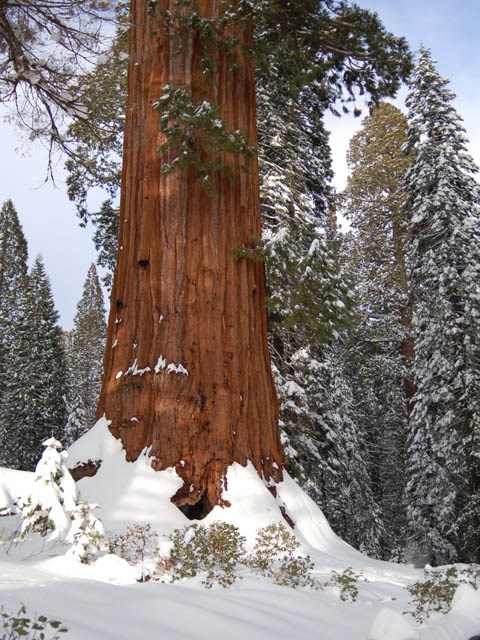
Snowy giant sequoias are the main winter draw; carry chains and use trails suited to winter conditions.
November · Giant Forest
Sequoia National Park in November is a winter-transition visit focused on the giant trees. Snow and chain requirements can change the drive and the length of a suitable walk.
Last checked:
Choose a November outing that fits the route, weather and effort involved.
Snowy giant sequoias are the main winter draw; carry chains and use trails suited to winter conditions.
November · Giant Forest

Check the winter approach and trail ice; the iconic tree can be visited without treating every grove trail as plowed.
November · General Sherman Tree
November’s normal high is 47°F and low is 23°F, with 3.65 inches of precipitation. The Lodgepole station sits at about 6,735 ft in the park's main sequoia corridor, roughly 2 miles from Giant Forest and the General Sherman Tree. These numbers represent where visitors actually spend their time (the giant sequoia groves, 6,500-7,000 ft). The Ash Mountain foothills entrance sits near 1,700 ft and runs far hotter: NPS gives the foothills an average July high of 97°F, versus 76°F at Lodgepole. The Mineral King campgrounds sit higher still, at about 7,500 ft. Use Lodgepole for the groves, and expect the foothills drive to be much warmer in summer.
November averages 60,188 recreation visits, 31% of the peak monthly average in July.
Check the approach before choosing the rest of the day.
Normal year-round approach; mountain road access and chain requirements depend on weather.
An independent guide using official data. Not affiliated with or endorsed by the National Park Service.