Allow for wet conditions
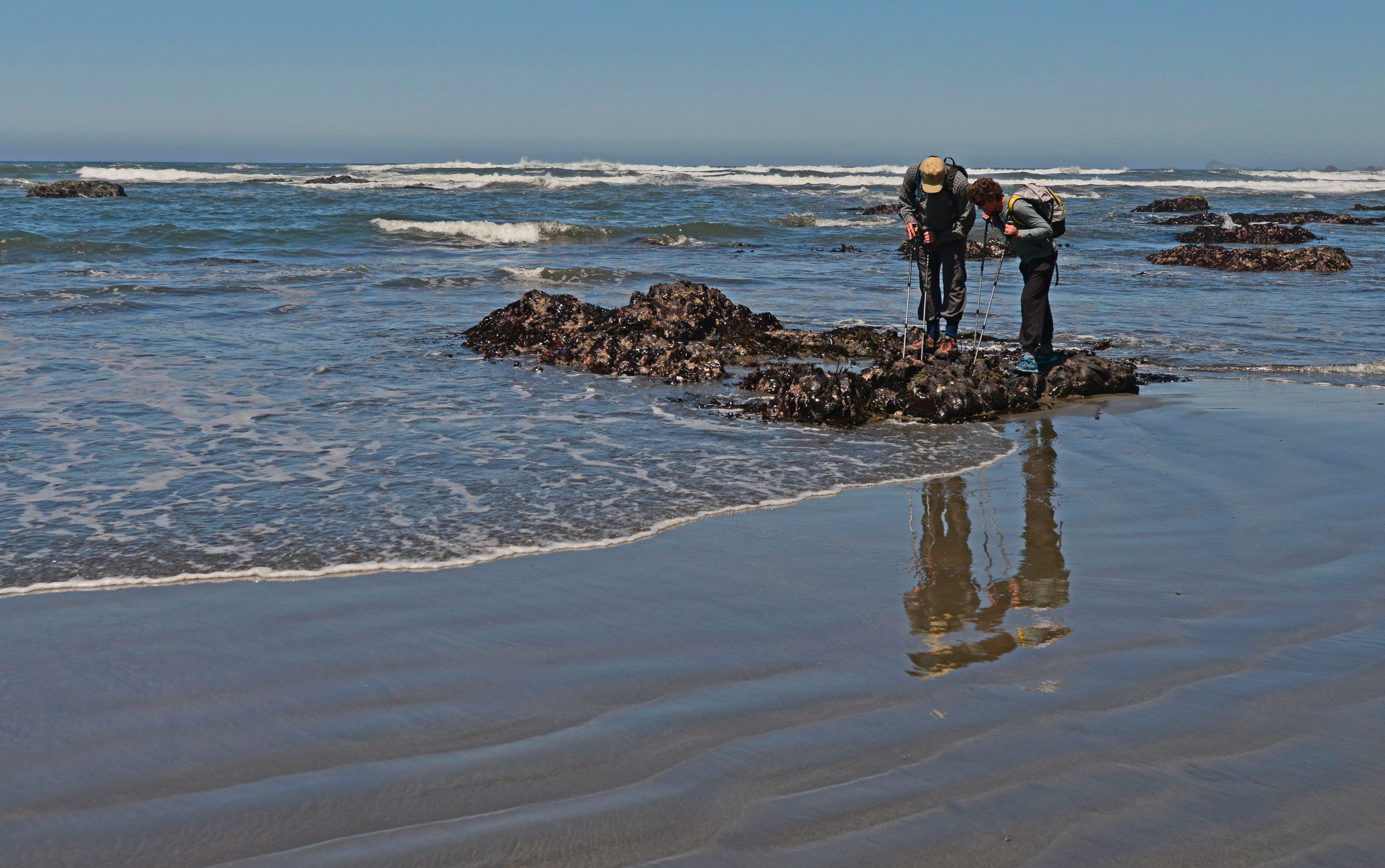
Pack rain gear and shoes with non-slip soles. The rainforest and coast can be slippery.
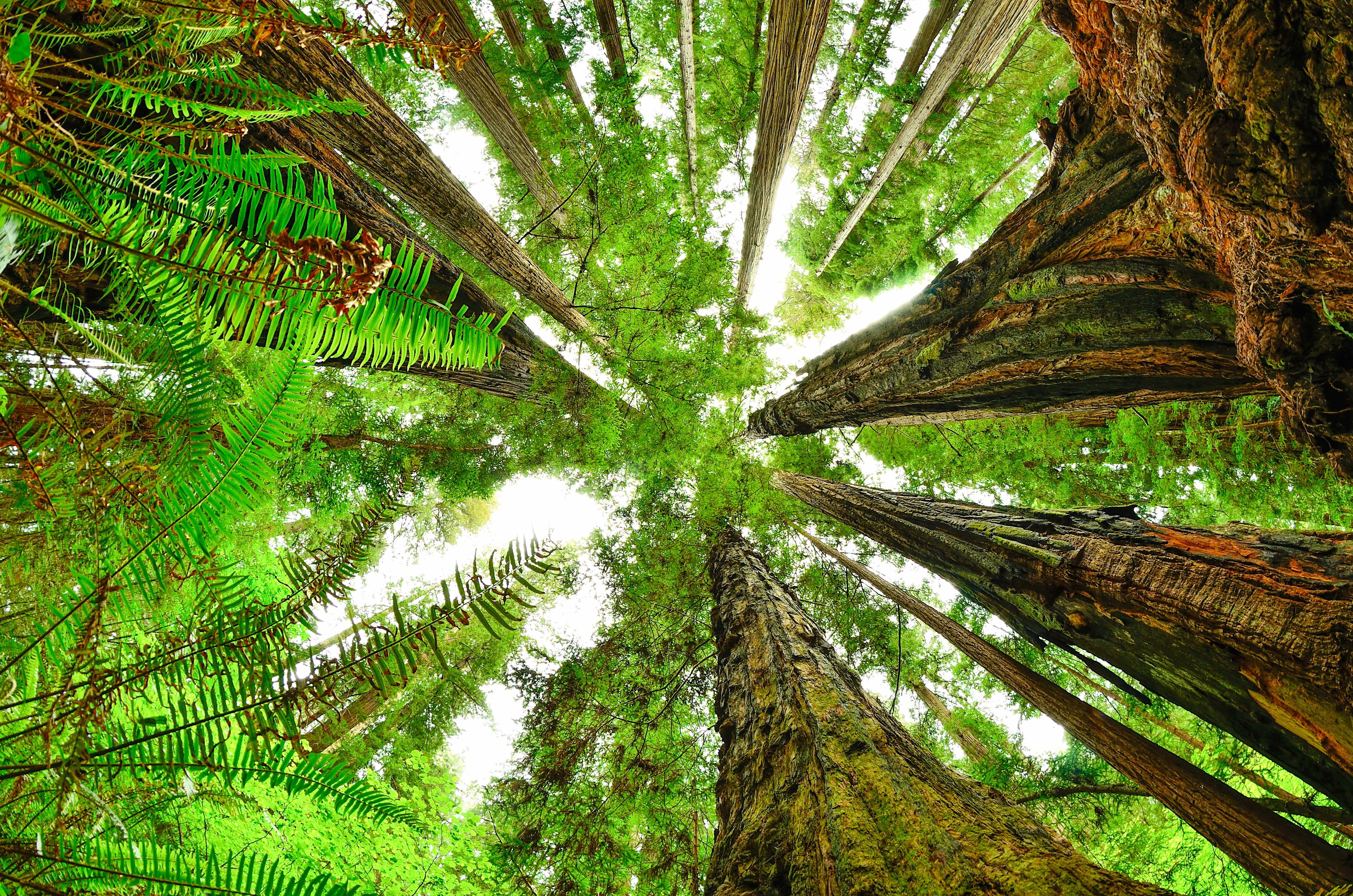
Redwood National and State Parks in winter is a rainy forest trip. Bring waterproof layers and non-slip footwear, and build flexibility into creek-side hikes. Fern Canyon and Redwood Creek lose their seasonal footbridges, while the higher Bald Hills can get snow.
Read the park alerts before choosing your route.
Plan for the coast and higher hills separately.
Read the Fern Canyon road and creek advice.
Use the coastal groves for your main winter plan, then check higher roads separately.
Rain and stream levels matter more than snowfall for most coastal visits.
Pack rain gear and shoes with non-slip soles. The rainforest and coast can be slippery.
Redwood Creek runs high and fast in winter, with seasonal footbridges removed. Ask at a visitor center before planning a crossing.
Bald Hills Road climbs inland above the coastal forests and can see winter snow. Read the road updates before taking this detour.
Keep a grove walk or scenic drive as the flexible core of the day.
Newton B. Drury Scenic Parkway runs through old-growth forest, with trail pullouts. Check its calendar: fall-to-spring Bike and Hike Days close it to cars.
Its wooden footbridges are a summer feature. Creek wading and log obstacles remain part of the route; check road access and water conditions before setting out.
Choose a gateway room or a basic park cabin. There are no conventional park lodges.
Crescent City, Klamath and Orick are among the communities listed by NPS for nearby lodging. Pick a base close to the part of the parks you plan to explore.
Elk Prairie and Jedediah Smith have basic cabins. NPS recommends booking early; check cabin details and availability before travel.
Camping The four developed campgrounds are managed by California State Parks. Check each campground and Reserve California for operating details, available sites and vehicle-size limits.
The highlighted whole months average 26,407 recreation visits per month. June is the annual peak at 95,116.
NOAA 1991-2020 averages at Klamath, CA. The Klamath station sits at about 28 ft near the Klamath River mouth, near the middle of the parks' 50 miles of coast, so it stands in for the coastal lowland along U.S. 101. NPS says summer brings cool coastal temperatures with frequent fog, while inland areas are typically warmer with clearer skies, and the Bald Hills get much hotter in summer than the coast. The station's snowfall normals are zero.
Local sunrise and sunset on the 21st of each selected month. These are astronomical times, not a forecast or an access schedule.
| Date | Sunrise and sunset, local clock time | Daylight |
|---|---|---|
| November 21 | SunriseSunset | |
| December 21Shortest day shown | SunriseSunset | |
| January 21 | SunriseSunset | |
| February 21 | SunriseSunset | |
| March 21 | SunriseSunset |
Quick answers to the practical questions below.
For a rain-prepared forest visit, yes. Plan around wet trails and higher streams rather than expecting summer creek access. Keep a grove or road-based alternative for your day.
The coastal groves have ocean-moderated winters with considerable rain. NPS describes winter snow in the higher Bald Hills, so coastal conditions do not describe every inland road.
Check access and stream conditions first. The wooden footbridges are installed for summer, and the route requires creek crossings and climbing over logs even when bridges are present.
No. NPS says the seasonal footbridges are removed until summer, when Redwood Creek is lower. Winter water runs high and fast; ask at a visitor center before planning the trail.
An independent guide using official data. Not affiliated with or endorsed by the National Park Service.
NPS Weather describes the coastal rain-and-temperature pattern; Bald Hills Road supplies the higher-elevation snow distinction. NPS Fern Canyon and Redwood Creek pages describe summer footbridges and winter creek limits. Lodging, cabins and campground responsibility come from the NPS lodging and developed-campgrounds pages.
Temperatures are NOAA 1991-2020 normals at Klamath, CA; The Klamath station sits at about 28 ft near the Klamath River mouth, near the middle of the parks' 50 miles of coast, so it stands in for the coastal lowland along U.S. 101. NPS says summer brings cool coastal temperatures with frequent fog, while inland areas are typically warmer with clearer skies, and the Bald Hills get much hotter in summer than the coast. The station's snowfall normals are zero. Daylight is computed from committed USNO 2026 local-time records at Thomas H. Kuchel Visitor Center, CA (41.29N, 124.09W).
The coastal redwood forest has ocean-moderated temperatures and a wet winter, so the mild palette has no snow. NPS separately describes winter snow in the higher Bald Hills; this does not imply snow throughout the coastal groves.
Operational source check: October 21, 2026. Design and emphasized source review: 2026-10-21. A design review does not refresh every underlying record.