Per-month · February

Great Smoky Mountains in February.

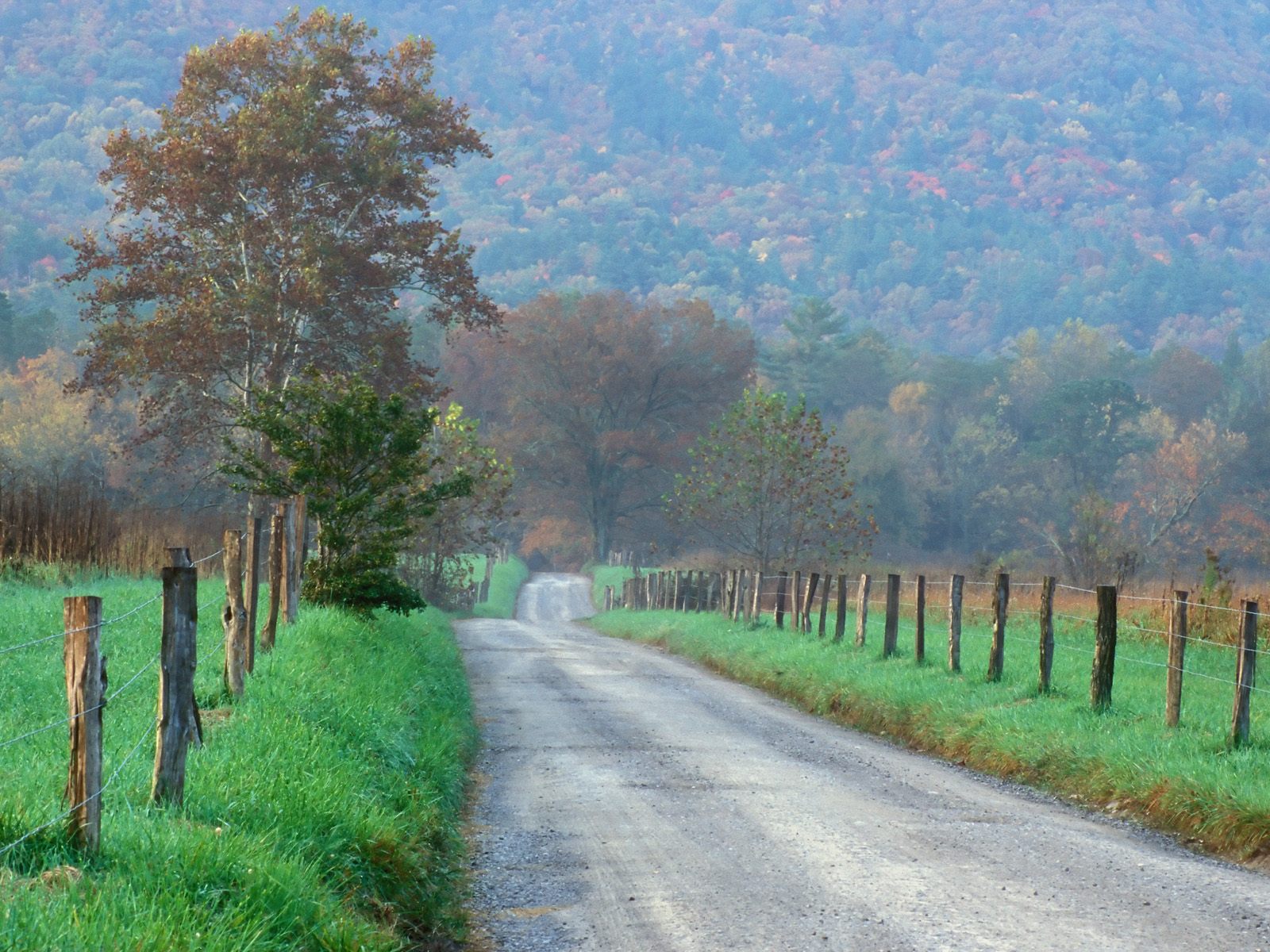
February serves the same audience as January with slightly longer daylight in the back half: solitude-seekers, photographers chasing dawn wildlife in Cades Cove, and visitors anchored at Gatlinburg or Townsend who want the cleanest low-crowd window before spring break.

By Nicholas Major · Last updated

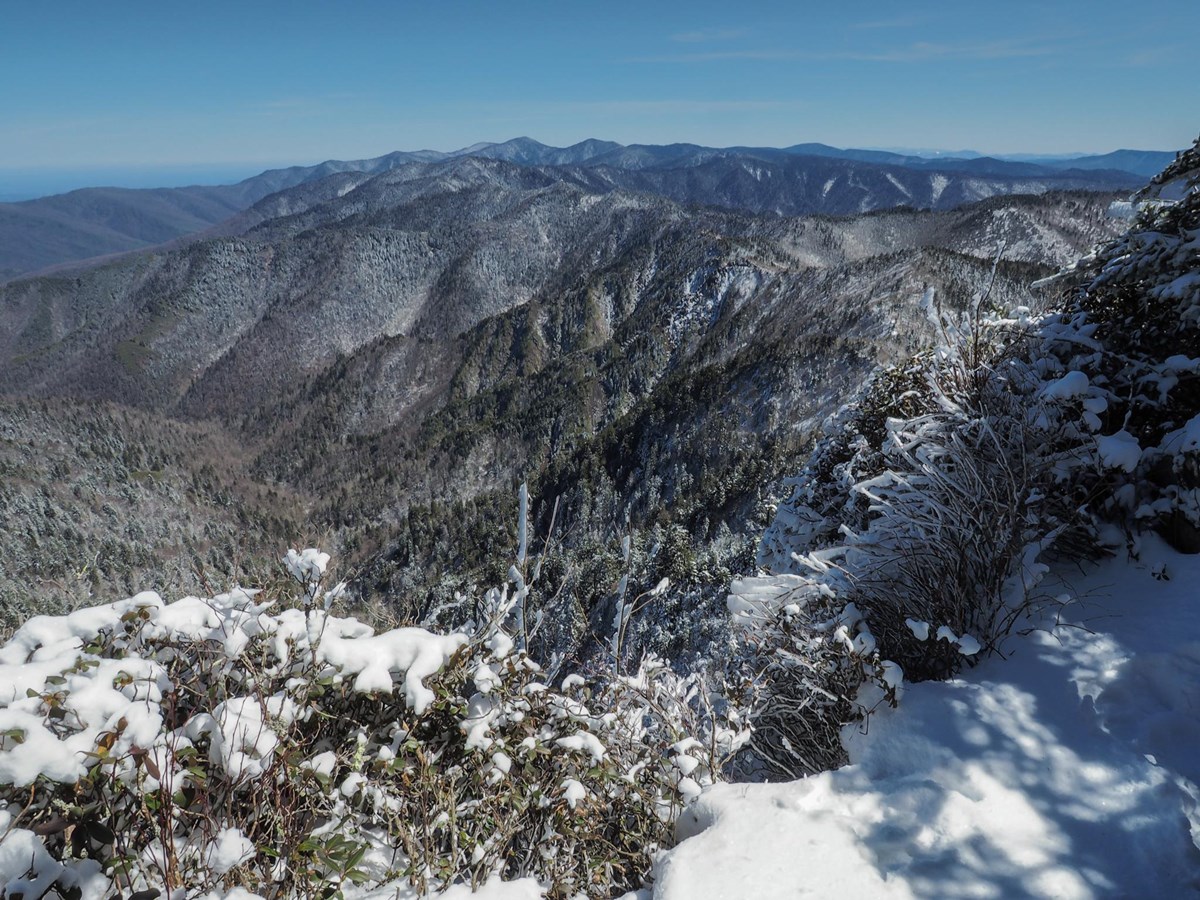
February remains a deep off-season month at Great Smoky Mountains, with a five-year mean near 486,000 recreation visits — about 30% of October's peak and still well below the spring-through-fall pattern. The snowfall normal at Gatlinburg ties January's at 2.4 inches; the high country can absorb materially more during storm cycles, and Newfound Gap Road is still subject to winter weather closures and chain requirements. Clingmans Dome Road (now formally Kuwohi Road) remains closed through winter. Roaring Fork Motor Nature Trail is still closed. The Cades Cove Loop and the lower Newfound Gap Road corridor stay open. NOAA normals at Gatlinburg 2 SW record a February high near 51°F with overnight lows near 29°F. The President's Day three-day weekend is the one meaningful holiday lift. For visitors trading the chance of a winter storm closure for the second-quietest month of the year, February is a strong solitude window with daylight already lengthening.

Crowd snapshot.

February runs about 486,000 recreation visits in the five-year mean — the second-quietest month and roughly 30% of October's fall-color peak. The first and last weeks remain firmly off-season; the President's Day three-day weekend is the only meaningful spike, with Gatlinburg and Townsend lodging tightening briefly. Cades Cove Loop midweek traffic is light. The Sugarlands and Oconaluftee visitor center desks see thin foot traffic outside the holiday window. There is no in-park shuttle to operate; visitors arrive by private vehicle and rely on the Park It Forward parking tag system as in summer.

FieldValue
February recreation visits (5-yr mean)485,531
Share of October's peak30%
Crowd bandmoderate
Park's busiest month (5-yr mean)October
Park's quietest month (5-yr mean)January

Weather snapshot.

The Gatlinburg 2 SW NOAA station records a February high near 50.8°F and a low near 28.9°F. February snowfall normals tie January's at 2.4 inches at the cooperative station, and storm cycles deliver materially more on Newfound Gap Road, Kuwohi, and Mt LeConte. The TN-side gateway sees a typical pattern of mild dry stretches punctuated by 1-2 winter storms per month. Daytime sun is strong enough to thaw lower-elevation roads quickly between storms, but shaded sections of Newfound Gap Road can stay icy through the day. Precipitation normals stay heavy at 4.27 inches.

FieldValue
Average high (°F)50.8
Average low (°F)28.9
Precipitation (inches)4.27
Snowfall (inches)2.4
Weather bandcold
StationGatlinburg 2 SW, TN at 1,454 ft

Access snapshot.

Newfound Gap Road runs weather permitting; storm closures and chain requirements remain routine — verify current status on the NPS Great Smoky Mountains conditions page. Clingmans Dome / Kuwohi Road stays closed for winter. Roaring Fork Motor Nature Trail remains closed per the NPS Roaring Fork page. Cades Cove Loop Road operates sunrise to sunset. Park It Forward parking tags ($5 daily, $15 weekly, $40 annual) are required for any vehicle parked over 15 minutes per the NPS fees page; annual tags also sold through Smokies Life.

FieldValue
February access score (0-100)65
Year-round routeNewfound Gap Road (US-441, weather permitting) + Cades Cove Loop (sunrise to sunset). Kuwohi Road (formerly Clingmans Dome Road) closed December through March; Roaring Fork Motor Nature Trail closed November through April.
Verify current road and fee statusOfficial NPS Great Smoky Mountains conditions page

Seasonal events.

February is winter-prime for dawn deer and turkey photography in Cades Cove and at Oconaluftee; bears remain denning through the month. Hooded mergansers and other overwintering waterfowl peak on the Little River and Oconaluftee River. The earliest spring ephemeral wildflowers (skunk cabbage, hepatica, spring beauty) begin to push up in the lowest valleys in the last week — peak wildflower bloom is still a month out. Owls are particularly vocal in late February as they pair up; barred and great horned owls are reliable in the Cades Cove woodlands at dusk. Late-month daylight gain is among the strongest of any month.

Audience verdict.

February serves the same audience as January with slightly longer daylight in the back half: solitude-seekers, photographers chasing dawn wildlife in Cades Cove, and visitors anchored at Gatlinburg or Townsend who want the cleanest low-crowd window before spring break. The President's Day weekend is the one stretch to dodge. It is not a high-country month — Kuwohi Road is closed and the upper Newfound Gap corridor can be locked under ice. RV travelers can use Cades Cove Campground year-round; book sites that face south for sun-warmed shoulders. Families with school-aged kids on a February break can use the Mountain Farm Museum at Oconaluftee, the Sugarlands Valley Nature Trail, and the Cades Cove Loop drive for an introductory winter day.

Methodology

Monthly recreation visits come from the official NPS Visitor Use Statistics Data Package, 2025 on NPS IRMA Stats; the statistic shown is Recreation Visits, the 5-year mean across 1979-2025. Climate normals come from NOAA NCEI's 1991-2020 U.S. Climate Normals at Gatlinburg 2 SW, TN (station USC00403420, 1,454 ft elevation). The access score weights named park roads by route importance for typical wheeled-vehicle openings that month. Year-variable specifics — current Newfound Gap Road winter status, Clingmans Dome / Kuwohi Road open/close dates, Roaring Fork Motor Nature Trail dates, Cades Cove vehicle-free Wednesday window, synchronous firefly lottery window, Park It Forward parking tag rates — drift year to year and are hedged in the editorial above; confirm current dates on the official NPS Great Smoky Mountains page before booking. Independent site, not affiliated with the National Park Service.

Independence

Independent site. Not affiliated with or endorsed by the National Park Service. Data comes from the official NPS Visitor Use Statistics Data Package, 2025; editorial analysis is ours. The NPS Arrowhead and other NPS marks are not used.

Last updated · 2026-05-28