July
Road access is not trail accessSome high trails retain snow into late July. Confirm both the road and the hike, and reserve your overnight base ahead.
761,346 average visits in July
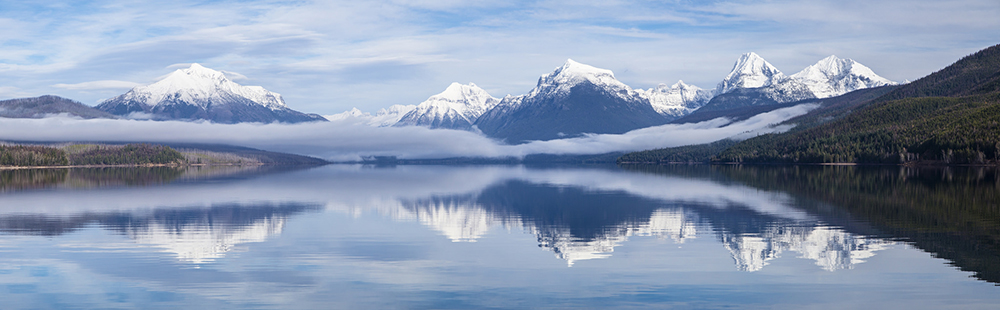
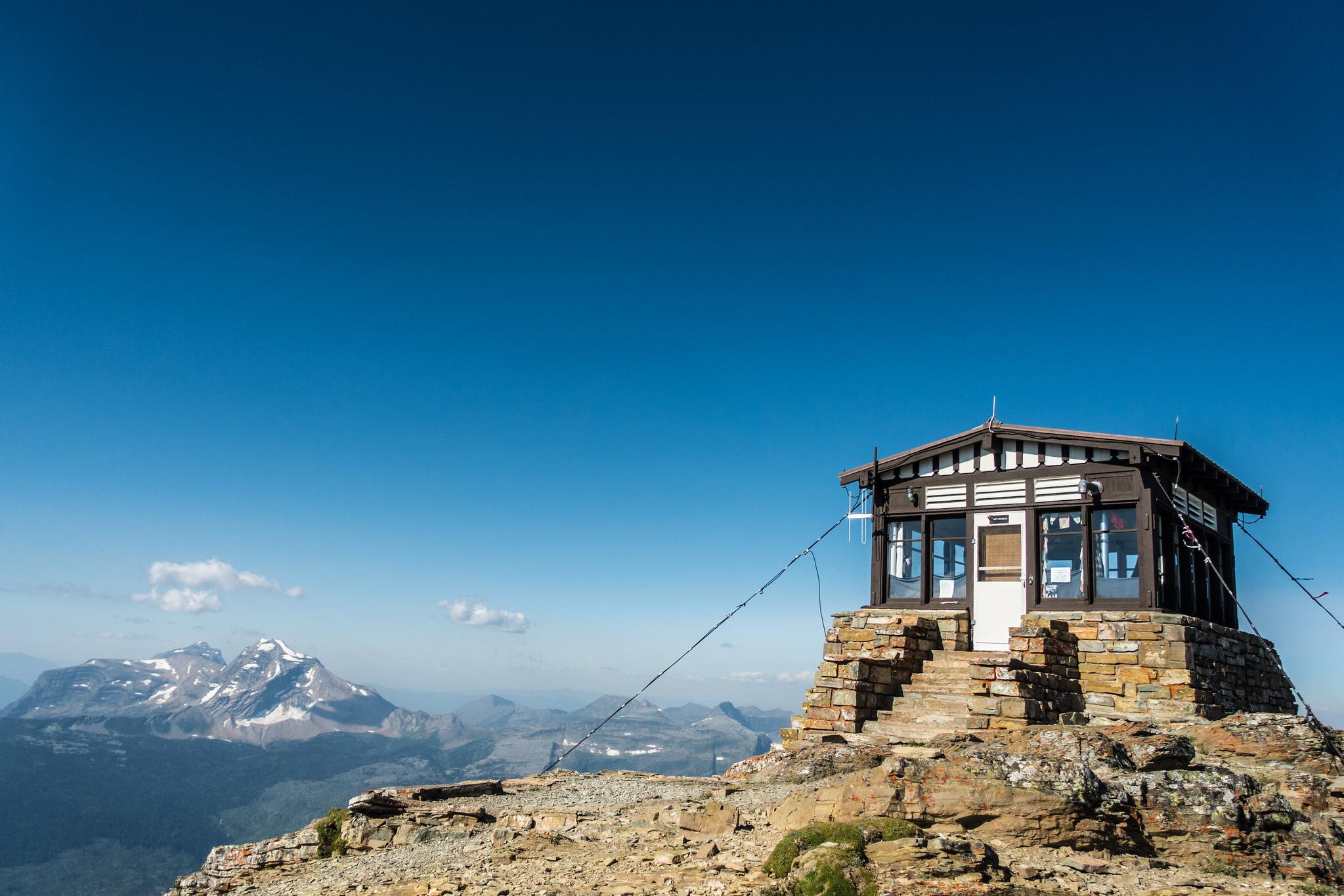
Glacier in summer offers the main high-country visit, with warm days and cool nights. July trails can still hold snow; late August is better for seeing glaciers after seasonal snow melts.
Last checked:
Read official alerts before choosing your route.
Check seasonal access and the places you want to visit.
Confirm the property or campground calendar before booking.
Choose your month around the outings and conditions that matter most.
Some high trails retain snow into late July. Confirm both the road and the hike, and reserve your overnight base ahead.
761,346 average visits in July
NPS recommends late August and early September for identifying glaciers after winter snow has melted. Visibility and access still vary.
693,318 average visits in August
Choose a lower-elevation or high-country outing for the actual conditions.
This roadside viewpoint offers a glacier-viewing option when the Sun Road is accessible. Bring binoculars and choose for visibility.
Plan this as its own destination rather than a quick extra stop. Reserve accommodation and check the approach separately.
Use the road for orientation and viewpoints when available, then choose a hike that suits actual snow conditions.
Choose a west-side, east-side or Many Glacier base before booking. A cross-park drive needs its own access check.
Check the seasonal access and equipment decisions before fixing the route.
Use the official road and reservation information for your date before planning a cross-park drive.
Warm summer days and cool nights are normal. Check trail snow and the mountain forecast before a high outing.
Match the lodge or gateway base to the park side and season of your trip.
A west-side seasonal lodge, generally May–September. Verify the property’s actual dates before booking.
A separate east-side seasonal choice, generally June–September. Its calendar does not establish the Sun Road’s opening.
Camping Use the park’s campground guidance for operating and booking dates. A lodge season or road opening does not establish campground availability.
The highlighted whole months average 727,332 recreation visits per month. July is the annual peak at 761,346.
NOAA 1991-2020 averages at W Glacier, MT (preview station; full station review pending). Conditions change with elevation and across the park; check the mountain forecast and trail snow separately.
Quick answers to the practical questions below.
Glacier in summer offers the main high-country visit, with warm days and cool nights. July trails can still hold snow; late August is better for seeing glaciers after seasonal snow melts.
July: Road access is not trail access. August: Exposed glacier views.
Warm summer days and cool nights are normal. Check trail snow and the mountain forecast before a high outing.
An independent guide using official data. Not affiliated with or endorsed by the National Park Service.
NPS seasonal, activity and overnight guidance supports the normal patterns and named choices on this page. Check the linked official pages for current operation and booking details.
Month choices describe the reviewed planning window. Monthly recreation visits are full-calendar-month 2021–2025 averages, including any month partly inside the window.
Temperatures are NOAA 1991-2020 normals at W Glacier, MT; The W Glacier station sits near the West Entrance at about 3,148 ft, in the valley where the plowed winter road starts. The east side (St. Mary, Many Glacier, Two Medicine) and Logan Pass, at 6,646 ft, are higher, so expect colder weather there. Treat these numbers as a west-side valley guide; high-country hikes need a mountain forecast. This is a preview station, pending full station review.
Seasonal highlights mark the editorial month window, not guaranteed access or travel-date weather.
Operational source check: October 21, 2026. Design and emphasized source review: 2026-10-21. A design review does not refresh every underlying record.