Per-month · January

Glacier in January.

January is a solitude-and-winter-recreation audience.

By Nicholas Major · Last updated

January is one of Glacier's two quietest months alongside February, with a five-year mean near 18,000 recreation visits — about 2% of the July peak. The Logan Pass section of Going-to-the-Sun is closed for winter; only the lower 11-mile stretch from the West Entrance to Lake McDonald Lodge is plowed and drivable. Many Glacier Road and Two Medicine Road have been closed since November, and the upper road is buried. At the W Glacier cooperative observer (~3,148 ft) the 1991-2020 NOAA normal daytime high is near 30°F with overnight lows near 19°F and a January snowfall reading of 32 inches — the cold-and-deep heart of winter at the West Entrance. East-side districts and Logan Pass at 6,646 ft sit colder and absorb materially more snow. For visitors trading short daylight and frozen mornings for true solitude on cross-country ski and snowshoe trails out of Apgar, January is the cleanest low-crowd window of the year.

Crowd snapshot.

January is among the year's two quietest months at Glacier — a five-year mean near 18,000 recreation visits, roughly 2% of July's peak. The visitor mix is mostly cross-country skiers and snowshoers staging out of Apgar, local Flathead Valley day-trippers, and a small core of West Glacier and Whitefish lodging guests. The Apgar Visitor Center desk runs winter cadence; weekday traffic on the plowed corridor below Lake McDonald is genuinely light. The New Year's Day weekend at month-start is the only meaningful holiday-traffic spike before the deep off-season takes hold.

FieldValue
January recreation visits (5-yr mean)17,992
Share of July's peak2%
Crowd bandlowest
Park's busiest month (5-yr mean)July
Park's quietest month (5-yr mean)February

Weather snapshot.

The W Glacier NOAA station records a January high near 29.9°F and a low near 19.3°F at the cooperative observer elevation of ~3,148 ft. Snowfall normals at the station are 32 inches for the month — by far one of the snowier readings of the year at the West Entrance. East-side districts (Saint Mary, Many Glacier, Two Medicine) and Logan Pass at 6,646 ft sit materially colder and absorb several times that depth. Lake McDonald is reliably frozen at the head, with shore ice on still nights. Wind off the Continental Divide and across US-2 is the underrated hazard: clear-sky mornings can read several degrees below the published station figure once wind-chill is factored in.

FieldValue
Average high (°F)29.9
Average low (°F)19.3
Precipitation (inches)3.54
Snowfall (inches)32.0
Weather bandharsh-cold
StationW Glacier, MT at 3,148 ft

Access snapshot.

Going-to-the-Sun Road above Lake McDonald Lodge is closed for the winter — verify on the NPS Glacier hours page. The only plowed road inside the park is the lower 11-mile Going-to-the-Sun corridor from the West Entrance through Apgar Village to Lake McDonald Lodge. Many Glacier Road and Two Medicine Road are closed to vehicles. The winter vehicle fee is $25 per the NPS Glacier fees page (November 1 through April 30). In-park lodges are closed; West Glacier, Whitefish, and Kalispell are the practical bases. For live road and trail status confirm on the NPS Glacier conditions page.

FieldValue
January access score (0-100)15
Year-round routeLower Going-to-the-Sun Road from West Glacier through Apgar to Lake McDonald Lodge (Going-to-the-Sun upper section closed ~mid-October through late June; Many Glacier and Two Medicine closed ~third weekend November through late May)
Verify current road and reservation statusOfficial NPS Glacier conditions page

Seasonal events.

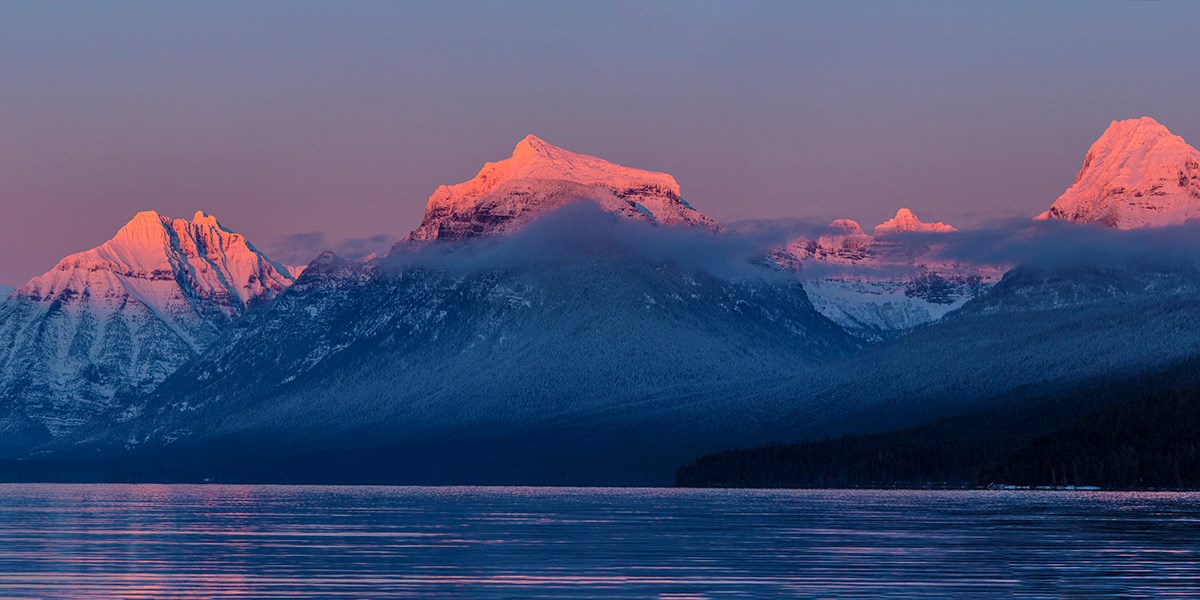
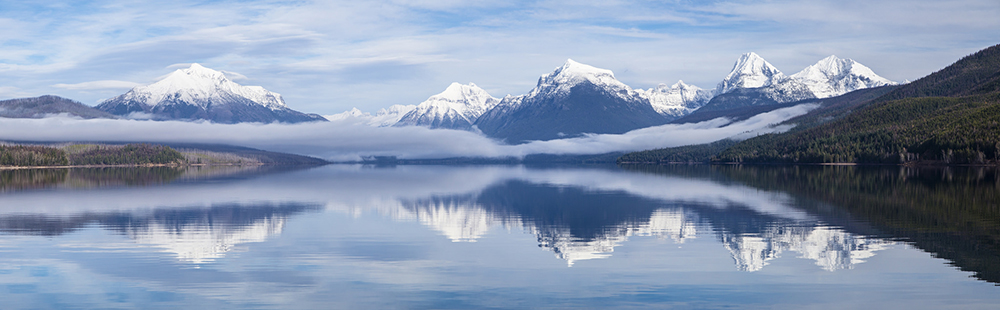
January is the start of cross-country ski and snowshoe season at Apgar and along the lower Lake McDonald corridor. The Apgar Village area, the McDonald Creek riparian zone, and the lower portion of Going-to-the-Sun above Lake McDonald Lodge (closed to vehicles, open to ski and snowshoe traffic) are the practical routes. Wintering raptors and a small population of wolves work the McDonald Creek and Middle Fork corridors. Black bears and grizzlies are denning through the month; wildlife encounters are not a January concern. Lake McDonald photographs in low side-light and against snow-dusted peaks across the Apgar Range. Snowshoe-guided ranger walks at Apgar, when scheduled, are the season's anchor program for first-time winter visitors.

Audience verdict.

January is a solitude-and-winter-recreation audience. It rewards visitors anchored at West Glacier, Whitefish, or Kalispell who want quiet trails, cross-country skiing or snowshoeing on the McDonald corridor, and lake-edge photography against snow-dusted peaks. It is not a family-with-young-kids month for high-country hiking — cold, deep snow on the plowed road edges, short daylight, and avalanche danger above the corridor all cut into a kids itinerary. Going-to-the-Sun's upper road, Many Glacier, and Two Medicine are entirely off the table. RV travelers should base at private RV parks in West Glacier or Hungry Horse rather than inside the park; no in-park campgrounds offer winter hookups.

Methodology

Monthly recreation visits come from the official NPS Visitor Use Statistics Data Package, 2025 on NPS IRMA Stats; the statistic shown is Recreation Visits, the 5-year mean across 1979-2025. Climate normals come from NOAA NCEI's 1991-2020 U.S. Climate Normals at W Glacier, MT (station USC00248809, 3,148 ft elevation). The access score weights named park roads by route importance for typical wheeled-vehicle openings that month. Year-variable specifics — exact Going-to-the-Sun Road open/close dates, Many Glacier and Two Medicine Road dates, vehicle-reservation rules — drift year to year and are hedged in the editorial above; confirm current dates on the official NPS Glacier page before booking. Independent site, not affiliated with the National Park Service.

Independence

Independent site. Not affiliated with or endorsed by the National Park Service. Data comes from the official NPS Visitor Use Statistics Data Package, 2025; editorial analysis is ours. The NPS Arrowhead and other NPS marks are not used.

Last updated · 2026-05-20