March
Early blooms, winter spellsThe usual spring window starts in mid-March. Flowers begin late in the month, but snowstorms can still affect Skyline Drive.
74,558 average visits in March
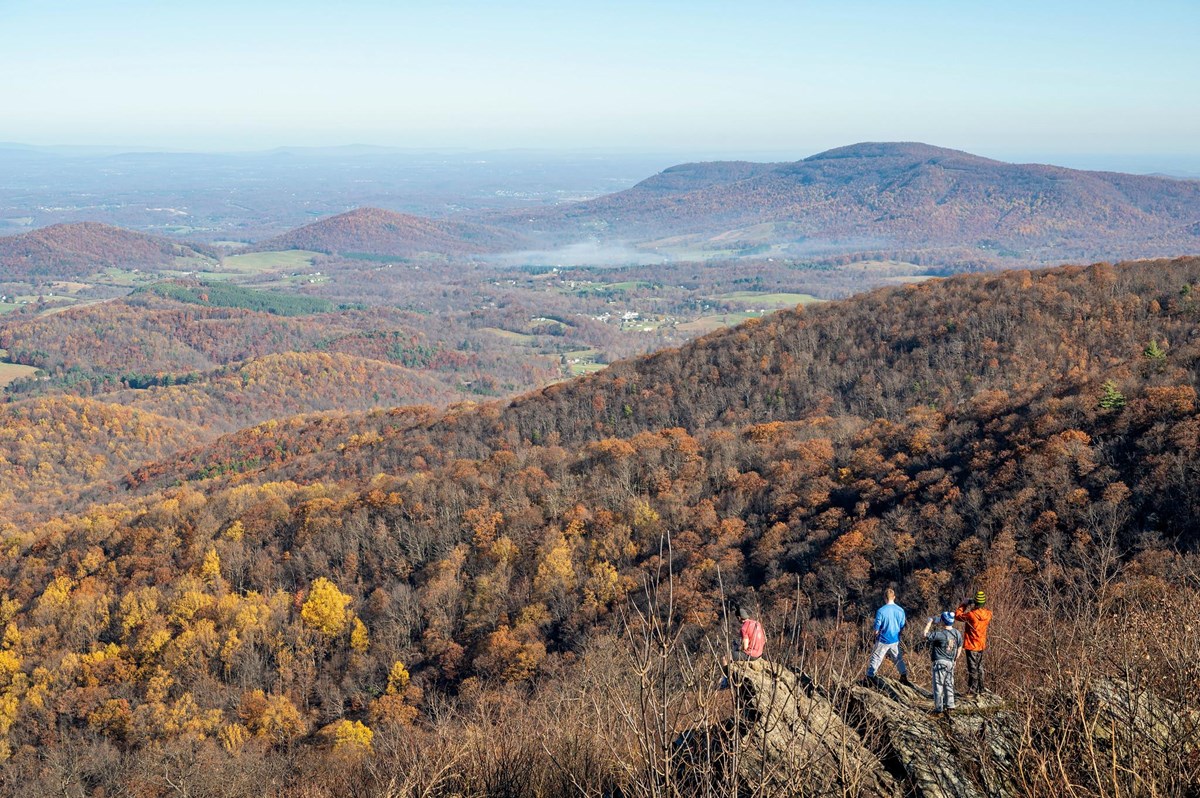
Shenandoah in spring offers woodland flowers and migrating birds before full summer leaf cover. Late March can still bring snow, while April flowers and May azaleas make a more developed hiking season.
Last checked:
Read official alerts before choosing your route.
Check seasonal access and the places you want to visit.
Confirm the property or campground calendar before booking.
Compare the return of flowers, trail access and visitor services.
The usual spring window starts in mid-March. Flowers begin late in the month, but snowstorms can still affect Skyline Drive.
74,558 average visits in March
Look for changing spring wildflowers and migrating birds before the trees fully leaf out. Check facility calendars individually.
126,576 average visits in April
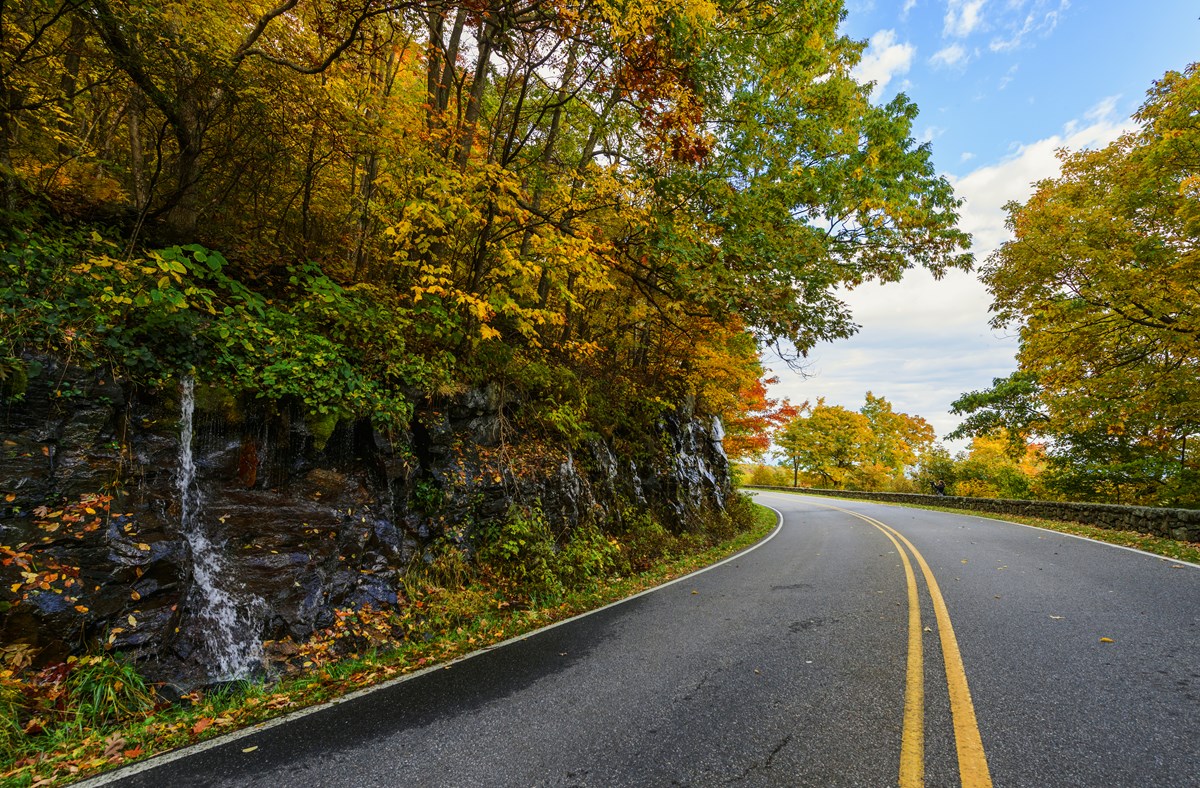
Pink azaleas bloom in the forest and along Skyline Drive. Weekday visits offer a better chance of less crowded trails.
158,253 average visits in May
Use the season’s access and weather limits to choose the day’s route.
Spring can still bring snow and ice. Confirm the Drive before relying on an entrance-to-trailhead journey.
Lodges, campgrounds and other facilities return on different calendars; a road trip does not establish an overnight option.
Choose one or two outings that fit your dates and the day’s conditions.
Look for spring flowers along lower-elevation stream corridors. The display changes as the season moves uphill.
Pink azaleas flower in the forest and along Skyline Drive. Enjoy them from established paths and overlooks.
Choose a day hike for its actual trail conditions and your group’s ability. Keep a backup when parking fills.
Choose an entrance near your main hike instead of driving the whole length first.
Match an in-park lodge or cabin to the part of Skyline Drive you plan to explore.
These are separate seasonal in-park room choices. Confirm the property calendar before choosing a base.
Compare a cabin with the lodge options; its opening and closing dates have their own calendar.
Camping Campgrounds operate seasonally. Check the individual campground and booking calendar before fixing your overnight plan.
The highlighted whole months average 119,796 recreation visits per month. October is the annual peak at 318,584.
NOAA 1991-2020 averages at Big Meadows, VA (preview station; full station review pending). Ridge weather can differ from the lowlands; use the mountain forecast before choosing a hike.
Quick answers to the practical questions below.
Shenandoah in spring offers woodland flowers and migrating birds before full summer leaf cover. Late March can still bring snow, while April flowers and May azaleas make a more developed hiking season.
March: Early blooms, winter spells. April: Woodland flowers and birds. May: Azaleas along the Drive.
Use the annual visitation chart to compare whole-month averages. Weekdays are worth considering, but the chart does not predict a particular trailhead or holiday queue.
An independent guide using official data. Not affiliated with or endorsed by the National Park Service.
NPS seasonal, activity and overnight guidance supports the normal patterns and named choices on this page. Check the linked official pages for current operation and booking details.
Month choices describe the reviewed planning window. Monthly recreation visits are full-calendar-month 2021–2025 averages, including any month partly inside the window.
Temperatures are NOAA 1991-2020 normals at Big Meadows, VA; The Big Meadows cooperative observer station sits inside the park at Skyline Drive milepost 51 at ~3,540 ft, the elevation band of the Byrd Visitor Center, Big Meadows Lodge, and the central park district where most ridge visitor activity happens. NPS puts the park's elevation range at 535 ft near the north end to 4,051 ft at Hawksbill. Big Meadows publishes 1991-2020 temperature normals (used here) but no precipitation or snowfall normals. Precipitation shown is the published normal for Luray 5 E (USC00445096, ~1,400 ft on the valley floor, about 13 miles away), not a ridge figure. No station near the ridge publishes a snowfall normal, so snowfall is not reported. This is a preview station, pending full station review.
Seasonal highlights mark the editorial month window, not guaranteed access or travel-date weather.
Operational source check: October 21, 2026. Design and emphasized source review: 2026-10-21. A design review does not refresh every underlying record.