March
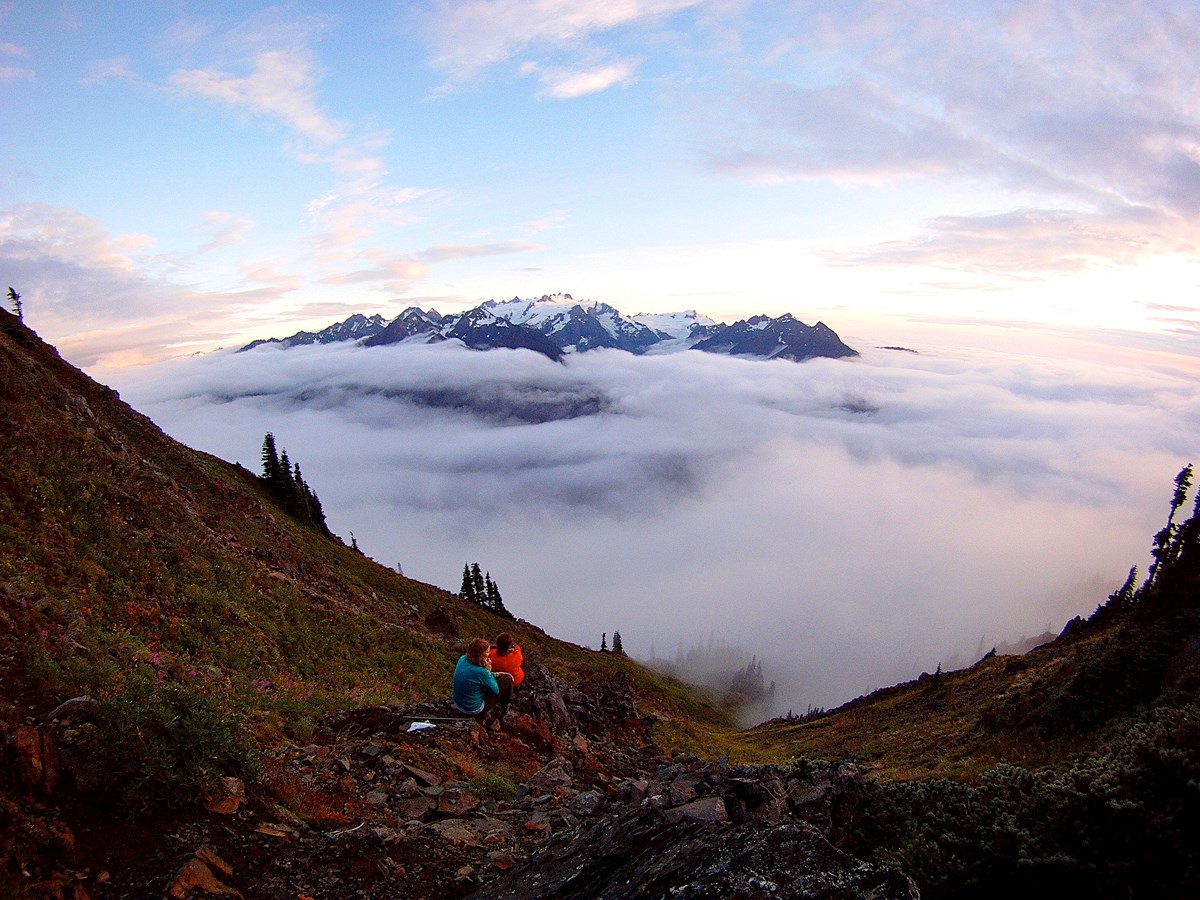
Start lowBuild a low-elevation forest or coast itinerary. Higher trails can remain buried in snow.
133,353 average visits in March
Olympic in spring is best planned around lowland rainforest, lakes and coast, with mountain snow still shaping higher trails. April and May add whale-migration opportunities, but rain and tide planning remain essential.
Read official alerts before choosing your route.
Check seasonal access and the places you want to visit.
Confirm the property or campground calendar before booking.
Compare the return of flowers, trail access and visitor services.
Build a low-elevation forest or coast itinerary. Higher trails can remain buried in snow.
133,353 average visits in March
NPS lists April–May among coastal whale-migration seasons. Watch from safe shore viewpoints and check tides.
134,215 average visits in April
Seasonal campgrounds and lodges begin returning at different dates. Do not interpret mild valley weather as snow-free mountain trails.
247,409 average visits in May
Use the season’s access and weather limits to choose the day’s route.
High trails can remain buried in snow. Choose lowland forests, lake areas or the coast as the core trip.
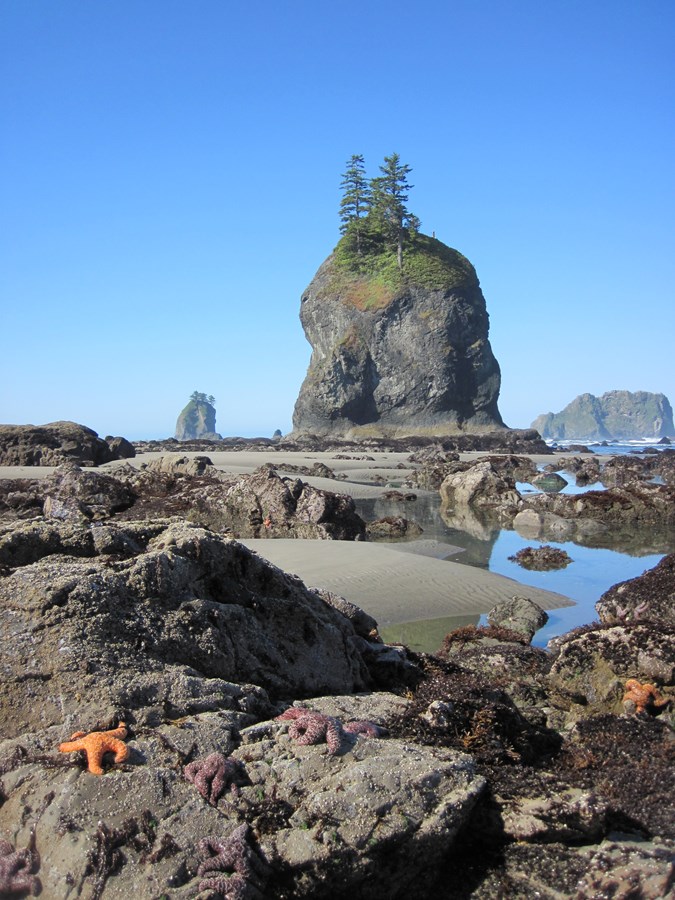
Plan coastal outings around tides, waves and the return route. Keep back from storm surf and drift logs.
Choose one or two outings that fit your dates and the day’s conditions.
Choose the Hall of Mosses or Spruce Nature Trail for lowland rainforest walking. Check road and trail access first.
Plan a separate lake-and-forest stop rather than a shortcut to another peninsula area.
April and May are coastal migration windows. Use safe viewpoints and binoculars; a date does not guarantee a sighting.
Choose one peninsula area at a time: mountain, rainforest, lake or coast.
Choose a base for one side of the peninsula, then check the property’s own calendar.
This year-round coastal lodge is a different base from Port Angeles and the mountain approaches.
These have different seasonal calendars. Compare the destination and actual opening dates rather than assume one peninsula-wide season.
Camping Campground seasons and reservation arrangements differ. Use the park’s camping guidance before choosing an overnight stop.
The highlighted whole months average 171,659 recreation visits per month. August is the annual peak at 625,799.
NOAA 1991-2020 averages at Elwha Ranger Station, WA (preview station; full station review pending). Rainforest, coastal and mountain weather differ; check the forecast for your chosen peninsula area.
Quick answers to the practical questions below.
Olympic in spring is best planned around lowland rainforest, lakes and coast, with mountain snow still shaping higher trails. April and May add whale-migration opportunities, but rain and tide planning remain essential.
March: Start low. April: Coast migration window. May: More seasonal choices.
April and May are coastal migration windows. NPS identifies Kalaloch and Rialto as shore-viewing areas; use binoculars and check tides and waves.
An independent guide using official data. Not affiliated with or endorsed by the National Park Service.
NPS seasonal, activity and overnight guidance supports the normal patterns and named choices on this page. Check the linked official pages for current operation and booking details.
Month choices describe the reviewed planning window. Monthly recreation visits are full-calendar-month 2021–2025 averages, including any month partly inside the window.
Temperatures are NOAA 1991-2020 normals at Elwha Ranger Station, WA; The Elwha Ranger Station sits at about 360 ft in the Elwha River valley on the park's north side, near Port Angeles. Olympic's coast, rain forests, and mountains each have their own weather. NPS says the Hoh and Quinault rain forests average 12 feet of rain a year, more than twice Elwha's normal of about 58 inches, and that thirty to fifty feet of snow can fall each winter in the subalpine country around Hurricane Ridge (5,242 ft). Treat these numbers as a low-elevation preview for the north side, and check a mountain or marine forecast before a Hurricane Ridge or coast day. We have not finished reviewing this station. This is a preview station, pending full station review.
Seasonal highlights mark the editorial month window, not guaranteed access or travel-date weather.
Operational source check: October 21, 2026. Design and emphasized source review: 2026-10-21. A design review does not refresh every underlying record.