Per-month · October

Mount Rainier in October.

October is the broadest-appeal fall month at Mount Rainier.

By Nicholas Major · Last updated

October is Mount Rainier's strongest fall shoulder month. The five-year mean is about 134,000 recreation visits, roughly 32% of July's peak, but the within-month curve has two distinct halves. Stevens Canyon Road typically closes mid-October per NPS; Sunrise Road has already closed in mid-September. NOAA normals at the Longmire NPS station record an October high near 54°F with overnight lows near 35°F and a precipitation normal of 9.00 inches: Pacific storm cycles return at full strength. Snowfall normals jump from August-September zero to 0.9 inches at Longmire, with materially more at Paradise. Fall color along the lower forests and at the highest meadow pockets is at peak through the first two weeks. Paradise Inn closes for the season at the end of the month per the concessioner. For visitors who want fall color and the last alpine drives before winter, the first half of October is the strongest non-summer window.

Crowd snapshot.

October averages about 134,000 recreation visits across the recent 2021-2025 record, about 32% of July's peak. The first two weeks remain shoulder-busy as fall-color travelers arrive and the highest meadow pockets show their peak color overlap. Stevens Canyon Road traffic stays meaningful through mid-month while the road remains open. The last 10 days drop sharply once Stevens Canyon Road typically closes for the season and the corridor transitions toward winter access. Ashford lodging tightens around the predicted fall-color weekend and eases meaningfully through the final week of the month. Paradise Inn closes for the season at month-end.

FieldValue
October recreation visits (5-yr mean)134,477
Share of July's peak32%
Crowd bandmoderate
Park's busiest month (5-yr mean)July
Park's quietest month (5-yr mean)February

Weather snapshot.

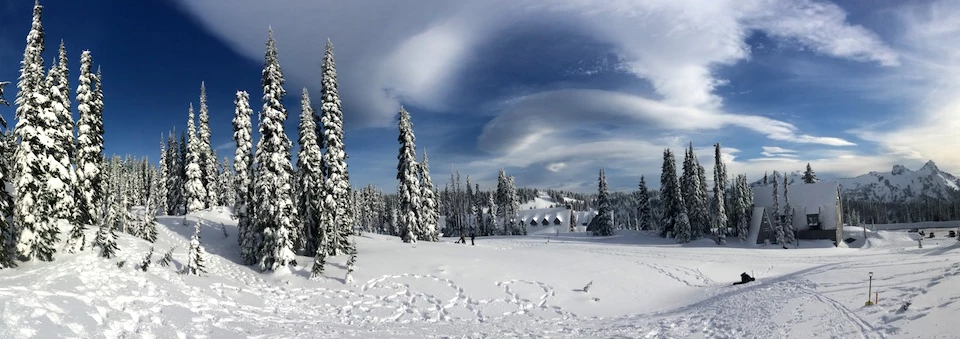
The Longmire NPS station records an October high near 54.5°F and a low near 35.2°F. The monthly precipitation normal of 9.00 inches marks the return of Pacific storm cycles at full strength. Snowfall normals at the Longmire elevation are 0.9 inches, small, but the first sustained snowfall at Paradise typically lands through the month. Daytime sun on clear days remains strong, and lower trails stay accessible through mid-month, but shaded north-aspect terrain and the high country accumulate the first sustained season snow. Late-month overnight lows begin landing in the upper 20s°F at Longmire; the high country sees materially harder freezes.

FieldValue
Average high (°F)54.5
Average low (°F)35.2
Precipitation (inches)9.00
Snowfall (inches)0.9
Weather bandcold
StationLongmire Rainier NPS, WA at 2,762 ft

Access snapshot.

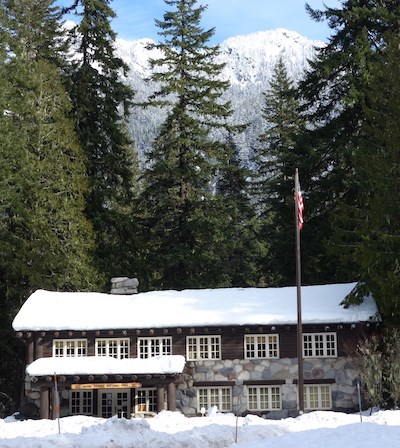
Stevens Canyon typically closes mid-October per the NPS Mount Rainier hours page; verify the current closing date before any month-end trip. Sunrise Road is already closed for the year. The summer timed-entry window has ended per the NPS Mount Rainier timed-entry reservations page; the corridor returns to first-come access. Paradise Inn shuts for the season at month-end; Longmire's National Park Inn stays open year-round. The summer campgrounds begin closing through the month per the NPS Mount Rainier camping page. The NW corner stays vehicle-closed while WSDOT's SR165 bridge replacement is unresolved.

FieldValue
October access score (0-100)65
Year-round routeNisqually entrance to Longmire (open year-round; upper Paradise Road closes nightly + weekly weather in winter; Sunrise/Stevens Canyon/Mowich Lake seasonal)
Verify current road and permit statusOfficial NPS Mount Rainier conditions page

Seasonal events.

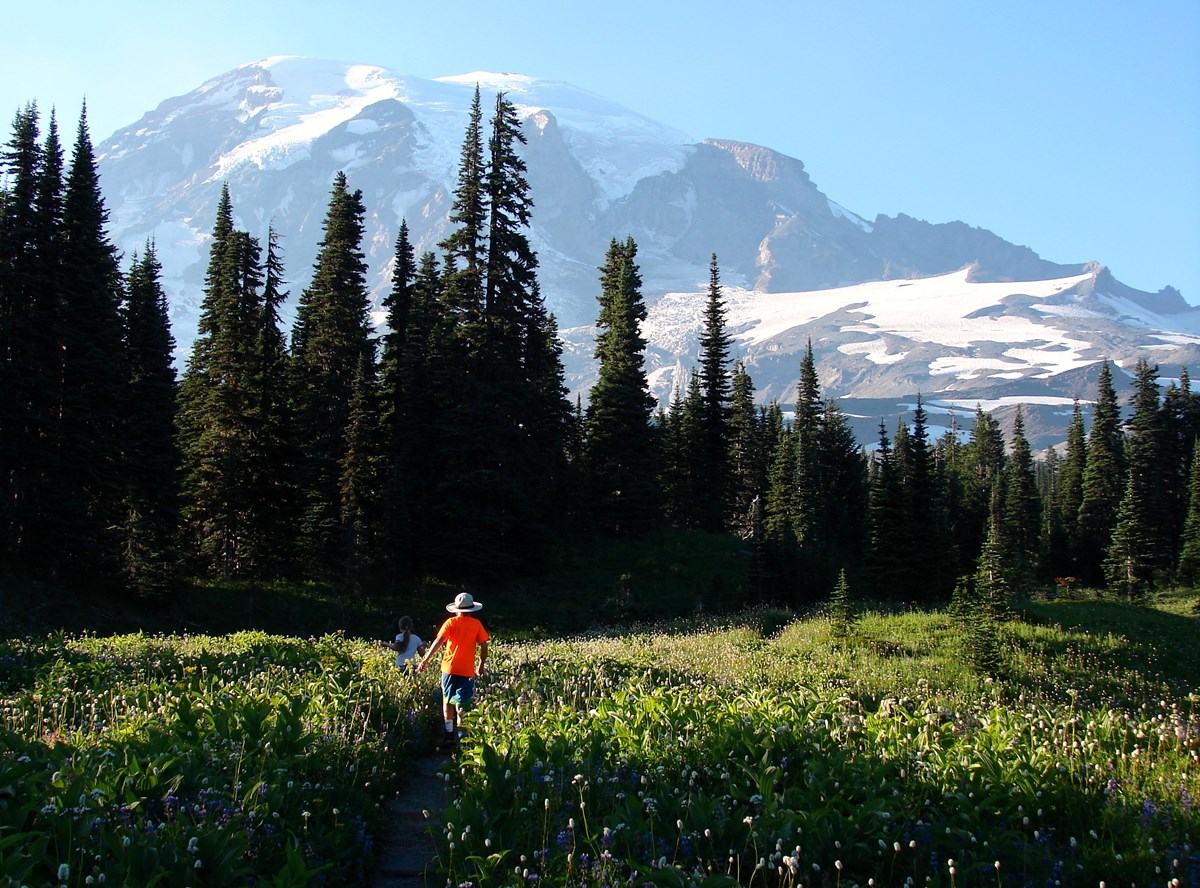
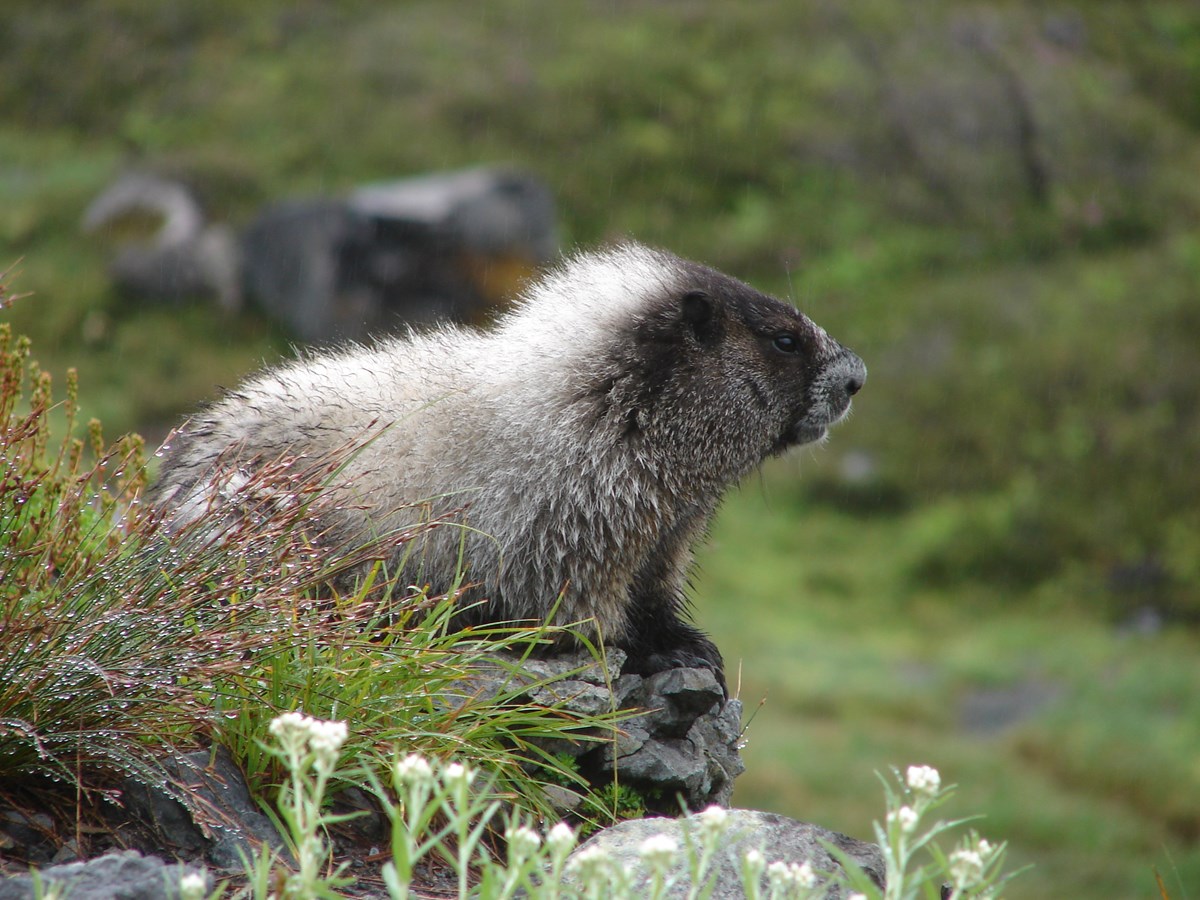
October is the fall-color month. Lower-elevation forests at Longmire and Ohanapecosh show vine maple red, big-leaf maple gold, and cottonwood yellow along the river corridors. The highest subalpine pockets at Paradise and Sunrise (until Sunrise Road closes) carry their red-and-gold accents through the first two weeks before snowfall blankets the meadows. Black bears continue heavy pre-hibernation foraging; food-storage rules remain critical. Elk and deer move toward lower forests for winter. Hoary marmots enter hibernation through the first half of the month. Late-month dark-sky conditions are excellent during new-moon weeks but compete with cloud cover from returning storm systems.

Audience verdict.

October is the broadest-appeal fall month at Mount Rainier. It serves photographers (lower-elevation fall color, first-snow on the upper slopes, the last drivable Stevens Canyon and Paradise corridors), retirees and shoulder-season travelers, families with flexible calendars, and any visitor wanting cooler weather without the deep-winter access limits yet. The single biggest planning question is whether the trip lands inside or outside the Stevens Canyon open window. Anchor on the published NPS closing forecast. RV travelers gain availability across in-park campgrounds in the last 10 days as campgrounds wind down. Visitors who want quieter conditions and don't need the alpine drive should target the second half of the month once the timed-entry window ends.

Methodology

Monthly recreation visits come from the official NPS Visitor Use Statistics Data Package, 2025 on NPS IRMA Stats; the statistic shown is Recreation Visits, the 5-year mean across 1979-2025. Climate normals come from NOAA NCEI's 1991-2020 U.S. Climate Normals at Longmire Rainier NPS, WA (station USC00454764, 2,762 ft elevation). The access score weights the Nisqually-Longmire-Paradise corridor's day-use status, Stevens Canyon and Sunrise Road seasonal openings, and Carbon River/Mowich Lake vehicle access for typical wheeled-vehicle openings that month. Year-variable specifics, Stevens Canyon and Sunrise Road open/close cadence, Paradise Inn and National Park Inn operating windows, the Paradise + Sunrise timed-entry reservation window, SR-165 / Fairfax Bridge status: drift year to year and are hedged in the editorial above; confirm current dates on the official NPS Mount Rainier page before booking. Independent site, not affiliated with the National Park Service.

Independence

Independent site. Not affiliated with or endorsed by the National Park Service. Data comes from the official NPS Visitor Use Statistics Data Package, 2025; editorial analysis is ours. The NPS Arrowhead and other NPS marks are not used.

Last updated · 2026-05-28