Per-month · July

Indiana Dunes in July.

July is a peak-crowd, peak-water-temperature audience month.

By Nicholas Major · Last updated

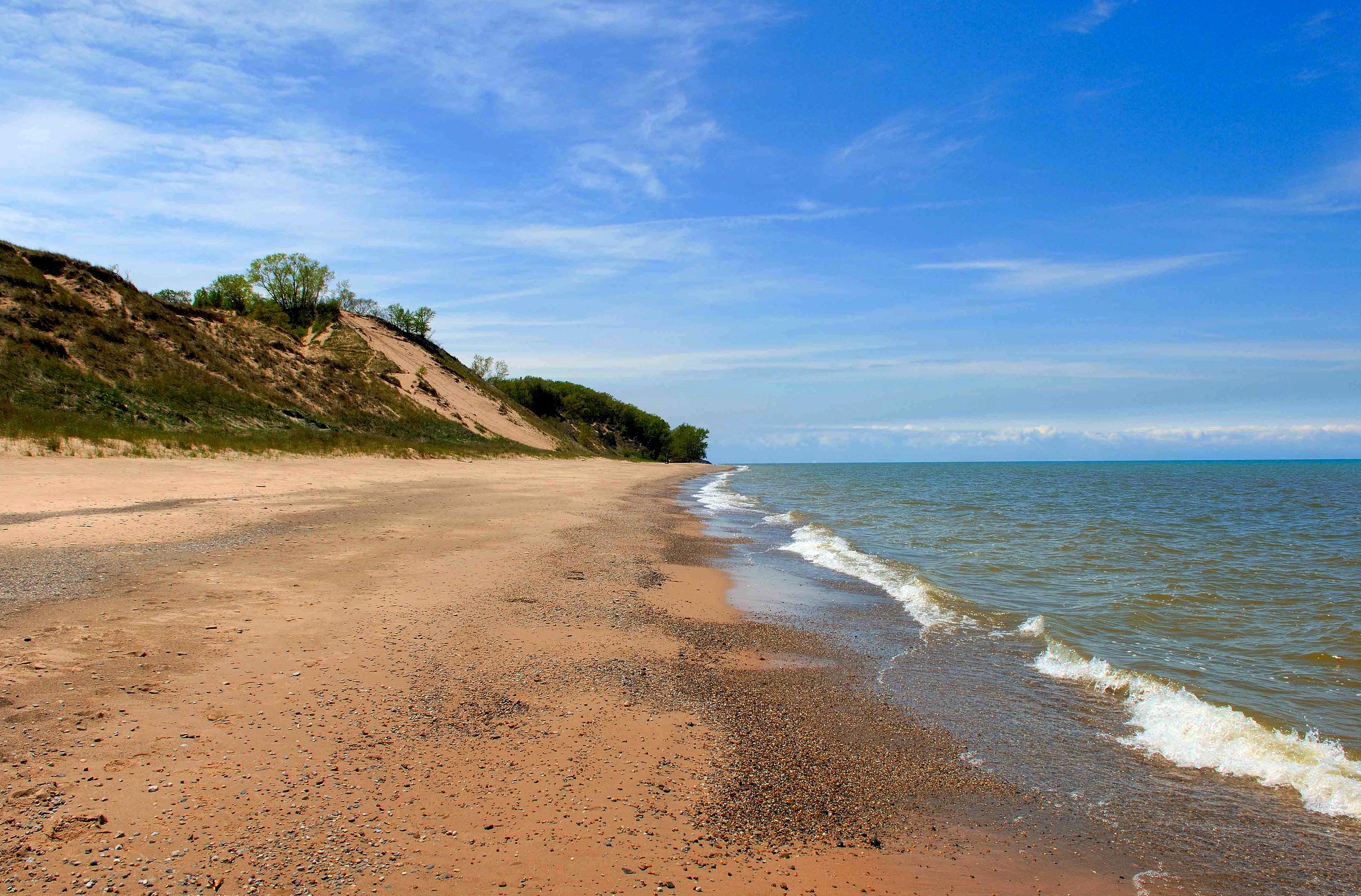
July sits at the absolute peak of the Indiana Dunes calendar. Five-year mean visitation reaches about 510,000 — the highest reading of any month — driven by Chicago and northwest Indiana school-summer-break beach demand. The inland station logs a July high of 83°F (the year's warmest) against overnight lows near 63°F. Lake Michigan surface temperatures climb into the low to mid-70s°F — the warmest stretch of the year and the best kid-swim window. West Beach parking lots fill before mid-morning on weekends; the Independence Day weekend (July 3-5) is the densest stretch. Dunewood Campground is fully reserved months in advance, and Mount Baldy summit ranger-led hikes run every summer weekend. Afternoon thunderstorms develop on humid days. For families locked to a peak-summer school-break window, July is the operationally cleanest swim month — but it is also the worst stretch for parking, lodging, and quiet.

Crowd snapshot.

July is the peak month at Indiana Dunes by five-year mean — about 510,000 recreation visits, the highest of any month. West Beach parking lots fill before 9 a.m. on weekends and stay full through mid-afternoon. The Independence Day weekend (July 3-5) is the densest stretch of the year; Chesterton, Porter, Michigan City, and Valparaiso lodging are sold out weeks ahead. Dunewood Campground sites move within minutes of release through Recreation.gov. South Shore commuter-rail beach traffic concentrates on Saturday and Sunday mornings. Mid-month weekdays are marginally easier than weekends but still well into peak demand.

FieldValue
July recreation visits (5-yr mean)509,715
Share of July's peak100%
Crowd bandpeak
Park's busiest month (5-yr mean)July
Park's quietest month (5-yr mean)January

Weather snapshot.

The Valparaiso NOAA station records a July high near 82.9°F — the year's warmest — and a low near 63.1°F. The monthly precipitation normal of 4.10 inches is delivered through concentrated afternoon thunderstorms; lake-breeze convergence along the south shore can produce localized severe weather. Lake Michigan surface temperatures climb into the low to mid-70s°F — the warmest stretch of the year and the best kid-swim window. Sand surface temperatures on hot afternoons reach dangerous-for-bare-feet levels; sandals and water bottles are essential. Lake-breeze afternoons can shave 5-10°F off interior temperatures at the immediate beach.

FieldValue
Average high (°F)82.9
Average low (°F)63.1
Precipitation (inches)4.10
Snowfall (inches)0.0
Weather bandhot
StationValparaiso Water Works, IN at 800 ft

Access snapshot.

All park roads stay open at full summer cadence. West Beach fee staffing runs at peak — vehicle pass $25 per the NPS Indiana Dunes fees page. Mount Baldy summit ranger-led hikes operate every summer weekend at full cadence per the NPS Mount Baldy page; check the NPS Indiana Dunes calendar for specific times. Dunewood Campground fully reserved through Recreation.gov; some sites have RV length limits — read site descriptions. Lifeguards at West Beach run full schedule.

FieldValue
July access score (0-100)100
Year-round routeAll park roads open year-round — no seasonal closures by Great Lakes low-elevation geography (Mount Baldy summit trail is ranger-led only; Dunewood Campground operates seasonally)
Verify current conditions and Mount Baldy program scheduleOfficial NPS Indiana Dunes conditions page

Seasonal events.

July is monarch butterfly peak activity through the prairie sections (Hoosier Prairie, Heron Rookery, Cowles Bog edges) as adult butterflies arrive at milkweed for egg-laying. Federally endangered piping plover chicks are visible on protected beach sections; signed closures protect nesting areas — keep distance. Bird life shifts from breeding-song dominance to family-group foraging through the wooded sections. Lake Michigan summer phytoplankton blooms can occasionally produce beach algae conditions — check NPS conditions before swim trips. Stargazing improves on dark-sky July nights; the park runs evening ranger programs. Independence Day fireworks at Michigan City, Beverly Shores, and the surrounding lakeshore towns are visible across the dunes from the beach.

Audience verdict.

July is a peak-crowd, peak-water-temperature audience month. It rewards families locked to mid-summer school-break beach trips (July is the only month with reliably warm Lake Michigan swim conditions), photographers chasing summer-storm light over the lake, and Chicago-area visitors targeting the warmest single beach window of the year. It is hostile to anyone optimizing for solitude or easy parking — the West Beach parking fight and the Dunewood reservation window are at their hardest. RV travelers should book months ahead. Visitors who can flex outside school-locked weeks should look at the second half of August or September instead.

Methodology

Monthly recreation visits come from the official NPS Visitor Use Statistics Data Package, 2025 on NPS IRMA Stats; the statistic shown is Recreation Visits, the 5-year mean across 1979-2025. Climate normals come from NOAA NCEI's 1991-2020 U.S. Climate Normals at Valparaiso Water Works, IN (station USC00128999, 800 ft elevation). Lake Michigan moderates daytime summer temperatures at the immediate lakeshore (typically 5-10°F cooler than Valparaiso on lake-breeze afternoons) and amplifies winter lake-effect snow on northerly wind days. The access score weights named park roads by route importance for typical wheeled-vehicle openings that month; Indiana Dunes has no seasonal road closures, so the score reflects facility-and-beach-access cadence rather than road status. Year-variable specifics — Mount Baldy summit ranger-led program schedule, Dunewood Campground season window, West Beach fee staffing — drift year to year and are hedged in the editorial above; confirm current dates on the official NPS Indiana Dunes page before booking. Independent site, not affiliated with the National Park Service.

Independence

Independent site. Not affiliated with or endorsed by the National Park Service. Data comes from the official NPS Visitor Use Statistics Data Package, 2025; editorial analysis is ours. The NPS Arrowhead and other NPS marks are not used.

Last updated · 2026-05-28