June
Flowers and firefly planningCatawba rhododendron reaches peak bloom in June; rosebay starts lower down. Elkmont’s managed firefly window is usually late May or early June and requires lottery planning.
1,457,247 average visits in June
Great Smoky Mountains in summer offer lush forests, rhododendron blooms and cooler high-elevation walks. Valley heat and afternoon thunderstorms shape the day; fireflies have a short managed viewing window.
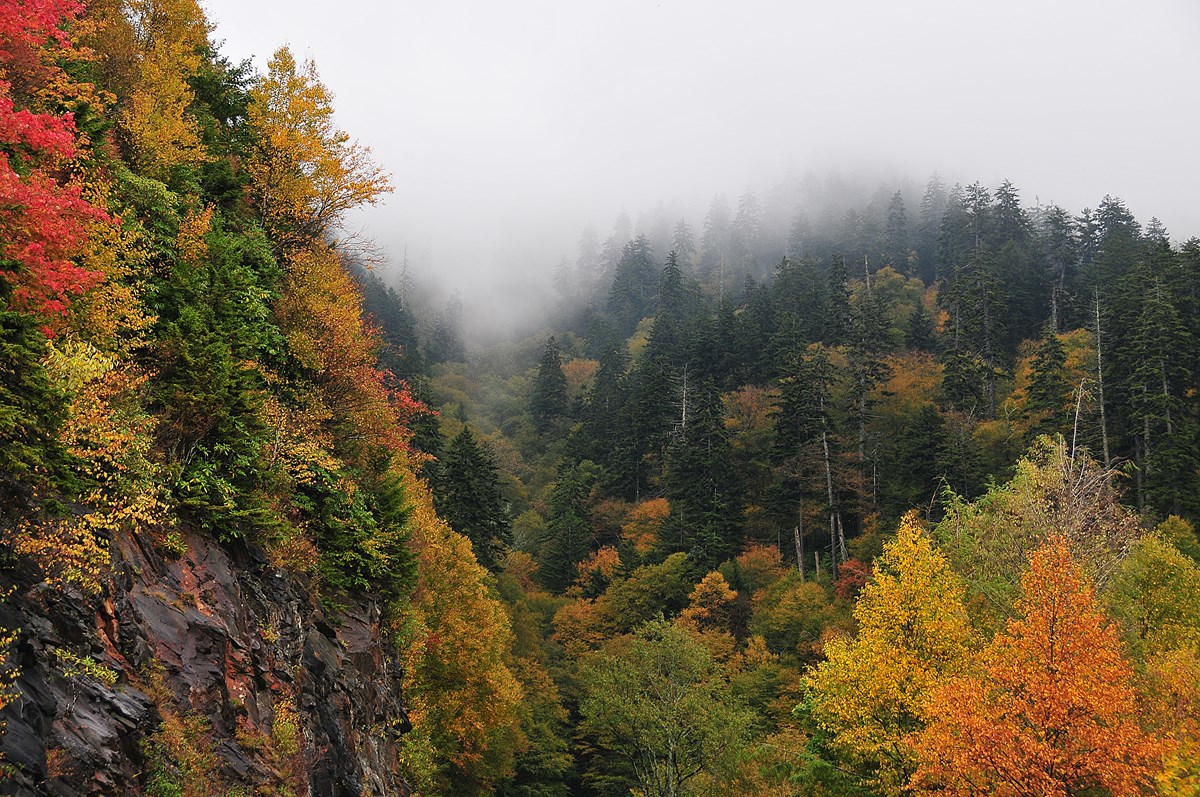
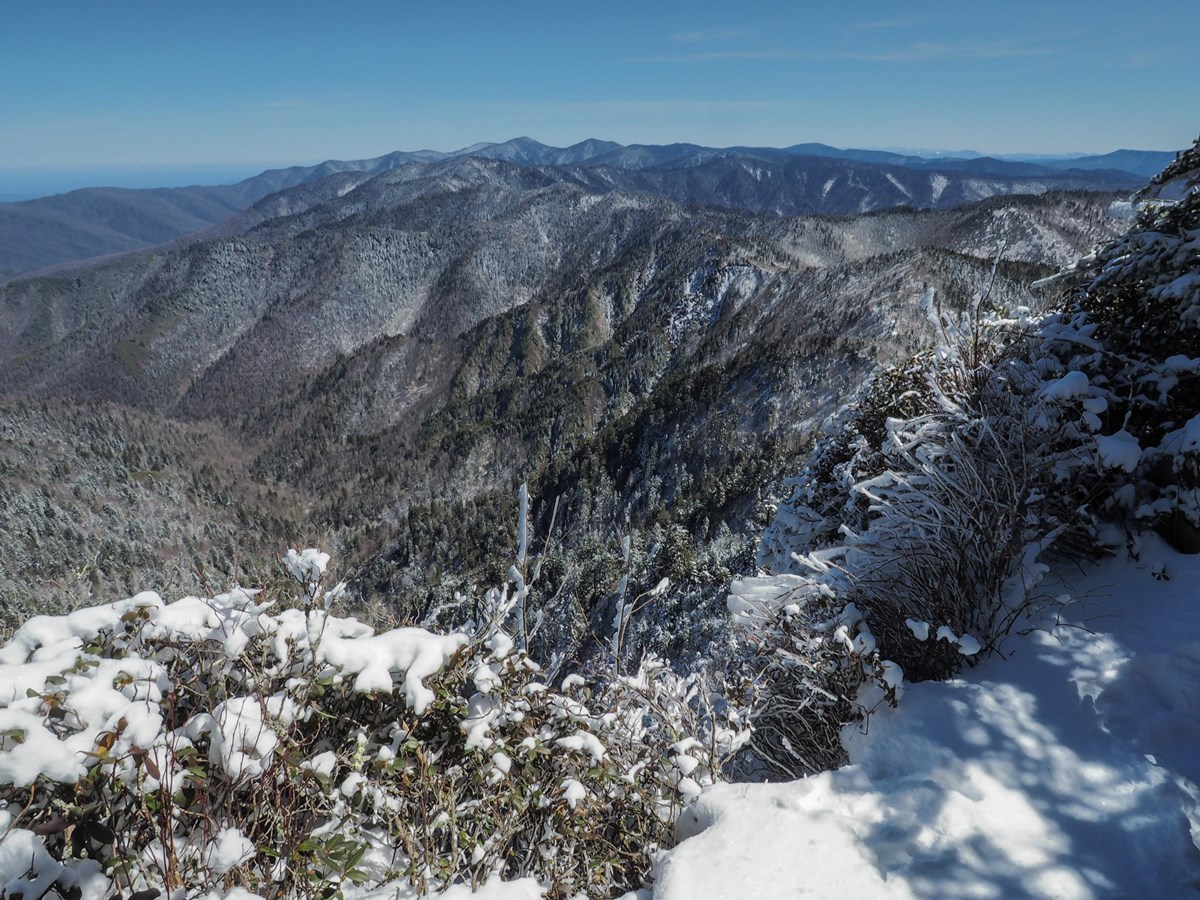
Read official alerts before choosing your route.
Check seasonal access and the places you want to visit.
Confirm the property or campground calendar before booking.
Choose your month around the outings and conditions that matter most.
Catawba rhododendron reaches peak bloom in June; rosebay starts lower down. Elkmont’s managed firefly window is usually late May or early June and requires lottery planning.
1,457,247 average visits in June
Rosebay rhododendron blooms at middle elevations and Andrews Bald azalea peak is usually early July. Expect hot valleys and afternoon storms.
1,544,523 average visits in July
Keep exposed high-country plans weather-dependent. Late-summer flowers begin the next bloom season; early hiking is a planning choice, not a storm guarantee.
1,220,408 average visits in August
Use the season’s access and weather limits to choose the day’s route.
Valley heat and mountain thunderstorms need different preparation. Check the forecast and avoid exposed routes when storms threaten.
Elkmont synchronous fireflies have a short managed viewing window and lottery, rather than a nightly all-summer display.
Choose one or two outings that fit your dates and the day’s conditions.
Catawba rhododendron peaks in June; rosebay blooms shift with elevation into summer. Choose the outing for your date.
The park identifies early July as a usual azalea peak at Andrews Bald. Use the trail and weather reports before choosing the hike.
Cades Cove and Oconaluftee offer valley observation stops. Watch from a distance and never feed wildlife.
Choose a Tennessee or North Carolina approach, then one valley or mountain outing.
Choose a gateway base for a driving trip. LeConte Lodge requires a hike and a separate reservation.
Choose your room around the Tennessee or North Carolina entrance nearest your main outings.
The park’s only non-camping accommodation is reached on foot. Check its seasonal operation and reservation before planning the hike.
Camping Frontcountry campsites require reservations. Campground seasons differ; a hiking itinerary does not reserve a campsite.
The highlighted whole months average 1,407,393 recreation visits per month. October is the annual peak at 1,607,149.
NOAA 1991-2020 averages at Gatlinburg 2 SW, TN (preview station; full station review pending). Valley and high-ridge conditions differ; check the forecast at your outing’s elevation.
Quick answers to the practical questions below.
Great Smoky Mountains in summer offer lush forests, rhododendron blooms and cooler high-elevation walks. Valley heat and afternoon thunderstorms shape the day; fireflies have a short managed viewing window.
June: Flowers and firefly planning. July: Higher blooms, hotter valleys. August: Plan for heat and storms.
Higher elevations are generally cooler than the valleys, but afternoon storms are common. Check the mountain forecast instead of choosing a hike by valley temperature.
An independent guide using official data. Not affiliated with or endorsed by the National Park Service.
NPS seasonal, activity and overnight guidance supports the normal patterns and named choices on this page. Check the linked official pages for current operation and booking details.
Month choices describe the reviewed planning window. Monthly recreation visits are full-calendar-month 2021–2025 averages, including any month partly inside the window.
Temperatures are NOAA 1991-2020 normals at Gatlinburg 2 SW, TN; The Gatlinburg 2 SW cooperative observer station sits at about 1,454 ft in the Tennessee gateway corridor, near the elevation of Sugarlands Visitor Center and the lower Newfound Gap Road. The park rises to 6,643 ft at Kuwohi, and the high country runs colder and snowier than this station, so treat these numbers as a lower-elevation guide and check a high-elevation forecast before a high-country trip. This is a preview station, pending full station review.
Seasonal highlights mark the editorial month window, not guaranteed access or travel-date weather.
Operational source check: October 21, 2026. Design and emphasized source review: 2026-10-21. A design review does not refresh every underlying record.