March
South Rim views firstCheck for ice before a below-rim walk. Hermit Road normally uses shuttle access from March.
357,723 average visits in March
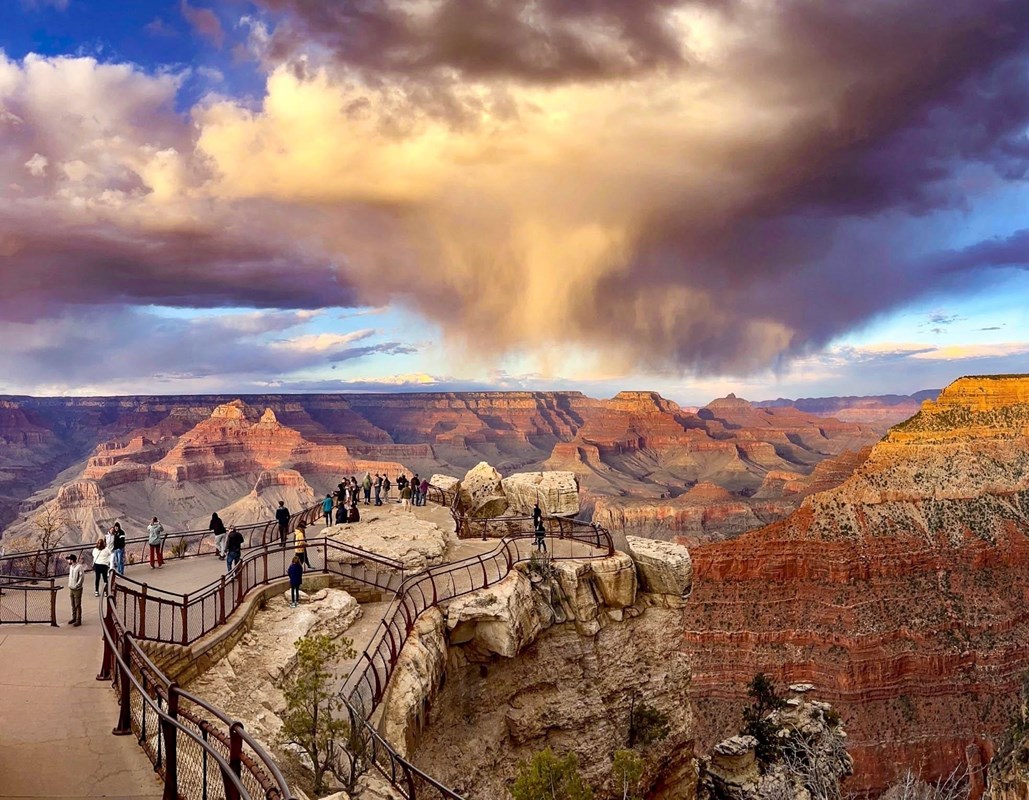
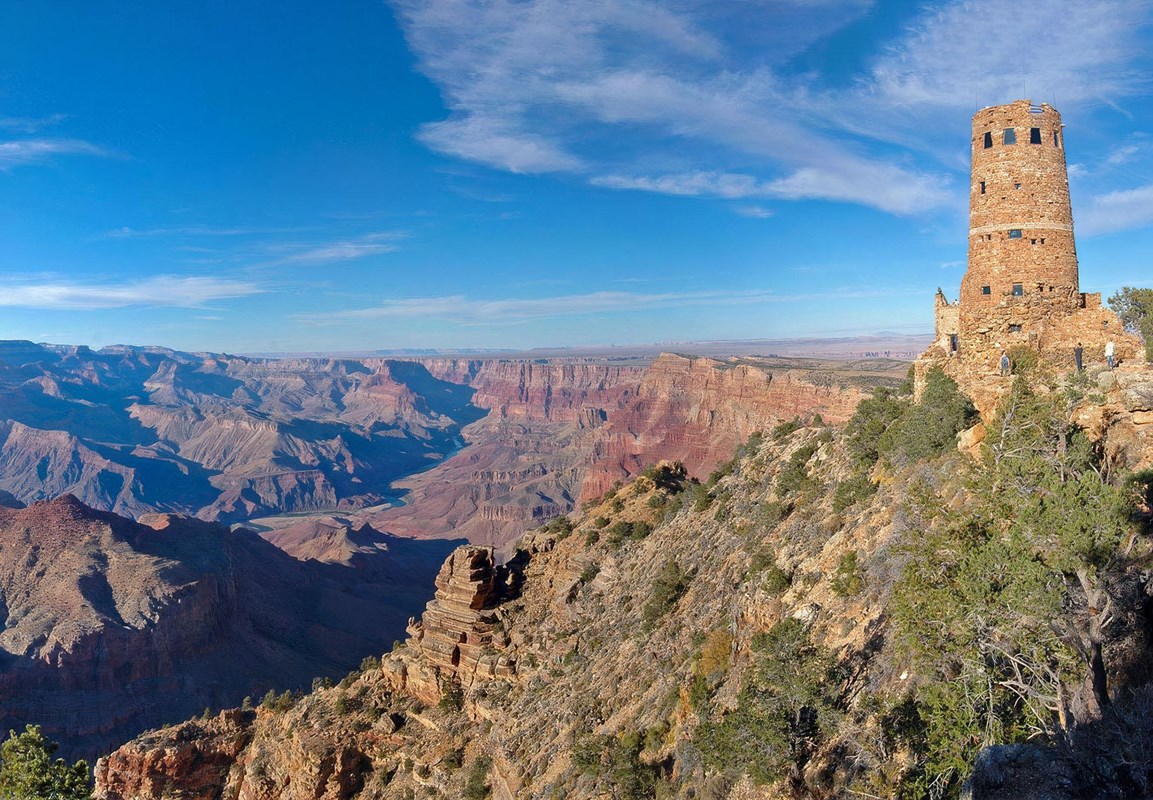
Grand Canyon in spring suits a South Rim trip, with warming days and variable weather. Shaded trail starts can stay icy, while May already needs summer heat planning below the rim.
Last checked:
Read official alerts before choosing your route.
Check seasonal access and the places you want to visit.
Confirm the property or campground calendar before booking.
Compare South Rim weather with the increasing heat below the rim.
Check for ice before a below-rim walk. Hermit Road normally uses shuttle access from March.
357,723 average visits in March
Winter weather usually begins to break by mid-April, but snow remains possible. Keep a layered rim plan.
451,297 average visits in April
May is inside NPS summer hiking caution. Mild rim weather does not establish a cool inner-canyon walk.
506,406 average visits in May
Choose a shorter viewpoint or a longer outing for the actual conditions.
Choose a short section with a shuttle return rather than a mandatory long walk.
Use the Red Route shuttle during the normal March–November private-vehicle restriction.
Check ice, heat, water and your uphill return before descending. May needs hot-weather hiking preparation.
Build this guide’s trip around the South Rim; treat the North Rim as a separate journey.
Use the season’s access and safety decisions to choose your outing.
The inner canyon is much hotter than the rim. Choose any descent using the hiking forecast and NPS safety guidance.
Layers and a current forecast matter even when a gateway town feels mild. Check trail ice and water information.
Choose a South Rim room base; verify current operation before committing.
South Rim lodges normally operate year-round and can book far ahead. Confirm the individual property and approach.
Gateway rooms south of the village offer another base. Check transport separately rather than assume every shuttle route operates year-round.
Camping Use the park’s campground calendars and booking guidance. Lodging and road seasons do not establish campsite availability.
The highlighted whole months average 438,475 recreation visits per month. July is the annual peak at 531,134.
NOAA 1991-2020 averages at Grand Canyon NP 2, AZ (South Rim). These averages represent the rim station, not the much hotter inner canyon.
Quick answers to the practical questions below.
Grand Canyon in spring suits a South Rim trip, with warming days and variable weather. Shaded trail starts can stay icy, while May already needs summer heat planning below the rim.
March: South Rim views first. April: Warming but still variable. May: Heat below the rim.
The inner canyon is much hotter than the rim. Choose any descent using the hiking forecast and NPS safety guidance.
An independent guide using official data. Not affiliated with or endorsed by the National Park Service.
NPS seasonal, activity and overnight guidance supports the normal patterns and named choices on this page. Check the linked official pages for current operation and booking details.
Month choices describe the reviewed planning window. Monthly recreation visits are full-calendar-month 2021–2025 averages, including any month partly inside the window.
Temperatures are NOAA 1991-2020 normals at Grand Canyon NP 2, AZ (South Rim); Grand Canyon NP 2 sits near the South Rim visitor corridor at 6,785 ft. Use these numbers for Grand Canyon Village and South Rim viewpoints. NPS notes the inner canyon near Phantom Ranch is much hotter, often over 100 F in summer, while the North Rim is higher, cooler, and more snow-prone. Do not use this station alone for below-rim summer hiking decisions.
Seasonal highlights mark the editorial month window, not guaranteed access or travel-date weather.
Operational source check: October 21, 2026. Design and emphasized source review: 2026-10-21. A design review does not refresh every underlying record.