Per-month · October

Glacier in October.

October is the broadest-appeal fall month at Glacier.

By Nicholas Major · Last updated

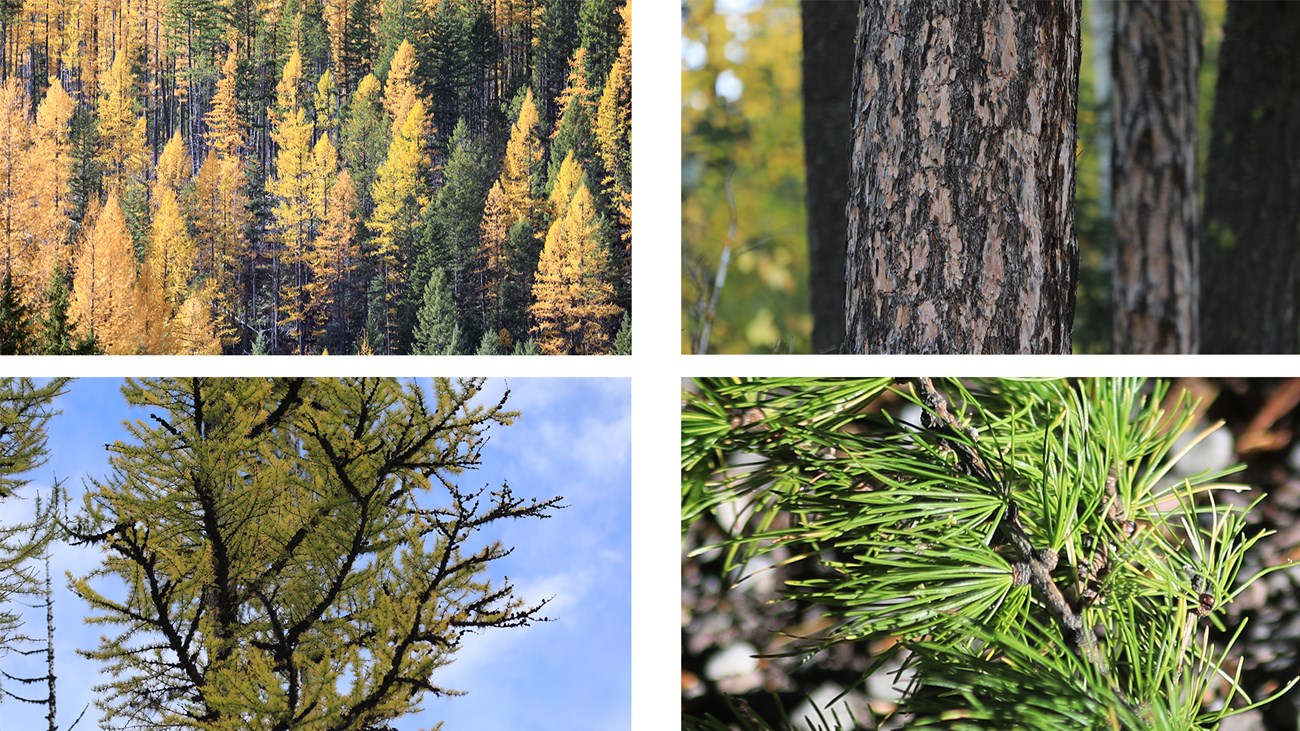
October is Glacier's strongest fall shoulder month — and the last drivable Logan Pass window. The five-year mean is about 139,000 recreation visits — about 18% of the July peak. Going-to-the-Sun closes for the season on the third Monday in October per NPS; before that date the full traverse is still drivable. Many Glacier Road runs through the third weekend in November. The W Glacier observer logs an October high near 52°F with overnight lows near 33°F and a snowfall reading of 2 inches at the gateway — the first sustained winter storm cycles begin to land at this elevation. Subalpine larches peak gold along the Highline and Garden Wall in the first week — the most iconic Glacier fall window — before drop. For visitors who want fall color and the last alpine drive before winter, the first half of October is the strongest non-summer window. The second half drops sharply once the traverse closes.

Crowd snapshot.

October runs about 139,000 recreation visits in the five-year mean — about 18% of July's peak. The first two weeks remain shoulder-busy as fall-color travelers arrive and the larch turn overlaps with the still-open Going-to-the-Sun traverse; West Glacier and Whitefish lodging tightens around the predicted larch-peak weekend. The last 10 days drop sharply once Going-to-the-Sun closes for the season on the third Monday in October, in-park lodges have all closed, and visitor center hours scale back. Many Glacier Road remains drivable through November, but the Many Glacier Hotel is closed by mid-September and the district sees a different visitor mix late month.

FieldValue
October recreation visits (5-yr mean)139,359
Share of July's peak18%
Crowd bandlow
Park's busiest month (5-yr mean)July
Park's quietest month (5-yr mean)February

Weather snapshot.

The W Glacier NOAA station records an October high near 51.7°F and a low near 32.9°F. The monthly snowfall normal of 2 inches at the cooperative observer marks the first significant winter storm activity at the gateway elevation — early-October snowstorms occasionally close Going-to-the-Sun ahead of the typical third-Monday-in-October seasonal closure. Daytime sun remains strong on clear days, and lower trails stay accessible through mid-month, but shaded north-aspect terrain and the high country accumulate snow. Late-month overnight lows begin landing in the mid-20s°F at W Glacier; Logan Pass sees materially harder freezes and routinely picks up several inches of snow at a time.

FieldValue
Average high (°F)51.7
Average low (°F)32.9
Precipitation (inches)3.05
Snowfall (inches)2.0
Weather bandcold
StationW Glacier, MT at 3,148 ft

Access snapshot.

Going-to-the-Sun Road closes for the season on the third Monday in October per NPS Glacier hours; verify the current closing date before any month-end trip that hinges on the traverse. Many Glacier Road remains open through the third weekend in November. Two Medicine typically closes through the month, snow-dependent. The summer $35 vehicle entry applies through October 31 per the NPS fees page; the $25 winter rate begins November 1. In-park lodges are closed for the season. Live road status sits on the NPS Glacier conditions page. Bears remain active and feeding pre-hibernation — review the NPS bear-safety page.

FieldValue
October access score (0-100)50
Year-round routeLower Going-to-the-Sun Road from West Glacier through Apgar to Lake McDonald Lodge (Going-to-the-Sun upper section closed ~mid-October through late June; Many Glacier and Two Medicine closed ~third weekend November through late May)
Verify current road and reservation statusOfficial NPS Glacier conditions page

Seasonal events.

October is the headline larch-color month. Subalpine larches peak gold along the Highline Trail, the Garden Wall, the upper Going-to-the-Sun corridor, and the Two Medicine ridgelines in the first week (NPS Glacier alpine ecology); the gold drop is rapid once the first hard frost hits. Bull elk rut peaks through the first two weeks at the lower-elevation meadows in Two Medicine and along the river corridors (NPS Glacier wildlife). Grizzlies finish pre-hibernation feeding; black bears do likewise. Bald eagles concentrate at McDonald Creek for the kokanee salmon run — the highest annual concentration on the lower lake outlet. Wintering raptors begin holding territory along the river corridors. Late-month dark-sky conditions are excellent during new-moon weeks.

Audience verdict.

October is the broadest-appeal fall month at Glacier. It serves photographers (larch gold, elk rut, the last drivable Going-to-the-Sun), retirees and shoulder-season travelers, families with flexible calendars, and any visitor wanting cooler weather without deep-winter access limits yet. The single biggest planning question is whether the trip lands inside or outside the Going-to-the-Sun open window — anchor on the third-Monday-in-October closing rule. RV travelers gain availability at the still-open Apgar and Saint Mary campgrounds in the first half. Visitors who want quieter conditions and don't need the alpine drive should target the post-third-Monday stretch when the road has closed.

Methodology

Monthly recreation visits come from the official NPS Visitor Use Statistics Data Package, 2025 on NPS IRMA Stats; the statistic shown is Recreation Visits, the 5-year mean across 1979-2025. Climate normals come from NOAA NCEI's 1991-2020 U.S. Climate Normals at W Glacier, MT (station USC00248809, 3,148 ft elevation). The access score weights named park roads by route importance for typical wheeled-vehicle openings that month. Year-variable specifics — exact Going-to-the-Sun Road open/close dates, Many Glacier and Two Medicine Road dates, vehicle-reservation rules — drift year to year and are hedged in the editorial above; confirm current dates on the official NPS Glacier page before booking. Independent site, not affiliated with the National Park Service.

Independence

Independent site. Not affiliated with or endorsed by the National Park Service. Data comes from the official NPS Visitor Use Statistics Data Package, 2025; editorial analysis is ours. The NPS Arrowhead and other NPS marks are not used.

Last updated · 2026-05-20