March
Snow remains part of the tripPrioritize amphitheater viewpoints when snow affects trails. Choose a descent only for the actual footing and your equipment.
97,703 average visits in March
Bryce Canyon in spring is a snow-to-hiking transition. March and April can bring heavy snow; May is warmer but still needs cold-night and trail checks.
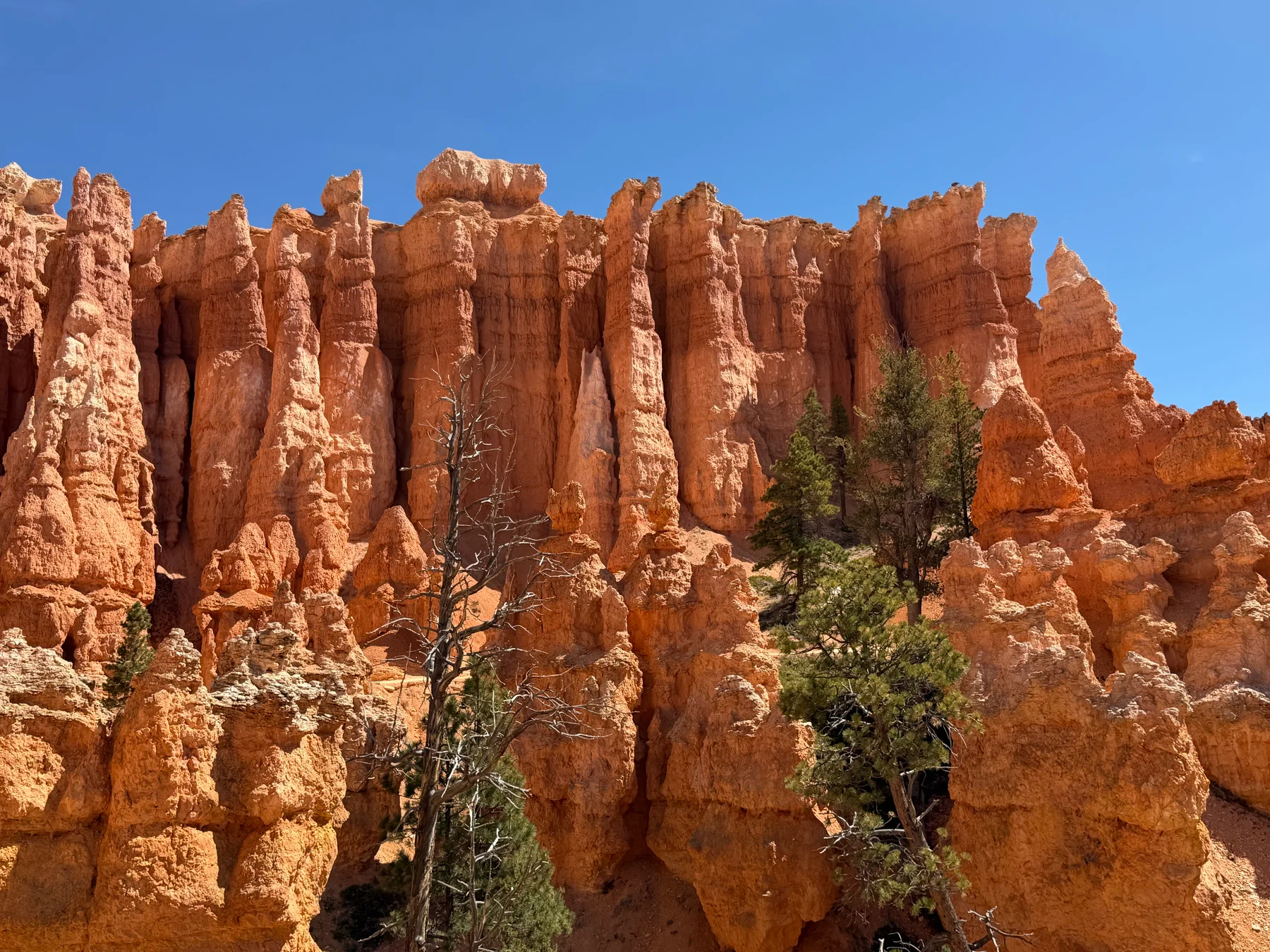
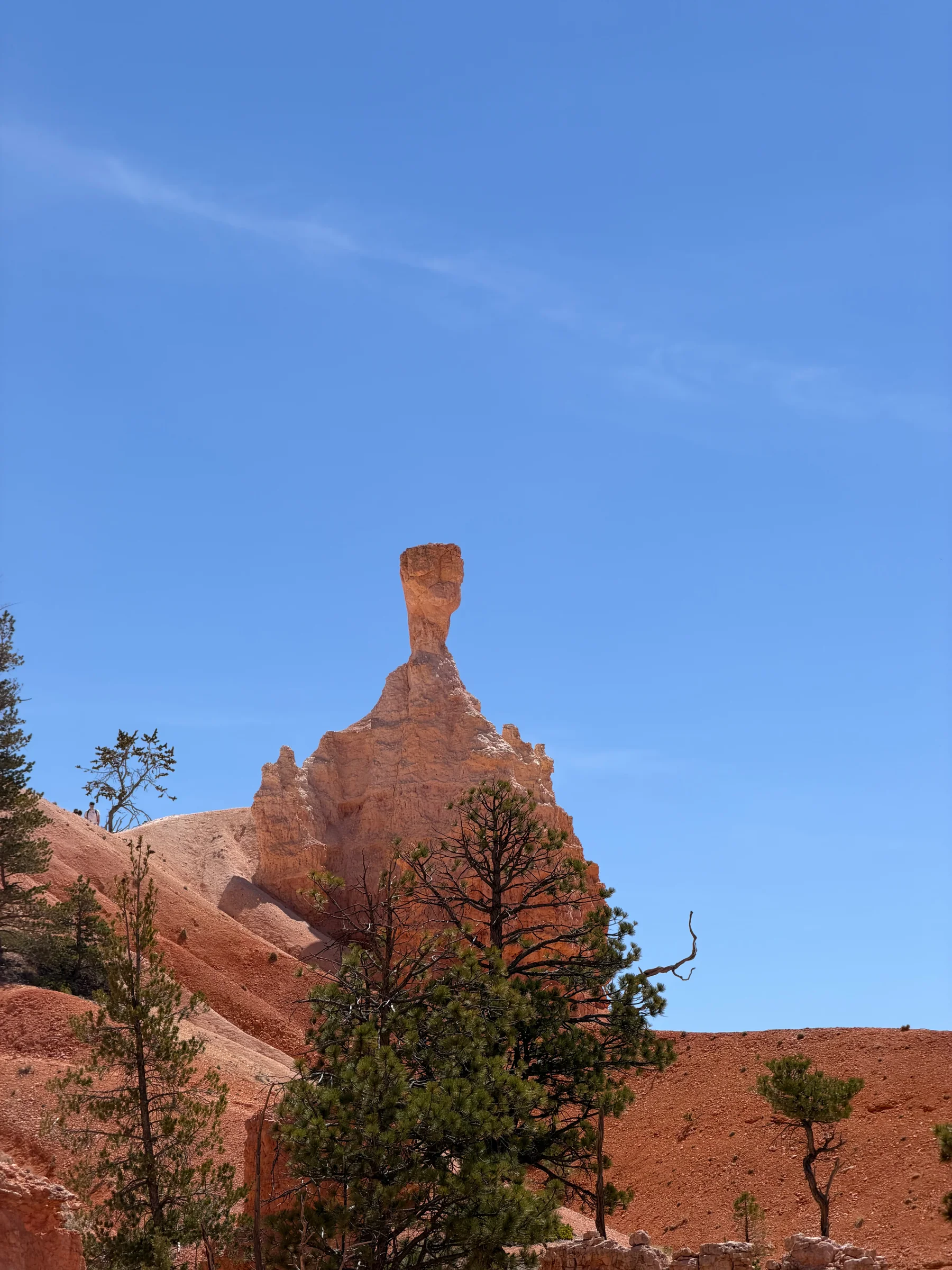
Read official alerts before choosing your route.
Check seasonal access and the places you want to visit.
Confirm the property or campground calendar before booking.
Compare snowy early spring with warmer May days and cold nights.
Prioritize amphitheater viewpoints when snow affects trails. Choose a descent only for the actual footing and your equipment.
97,703 average visits in March
Heavy snow remains possible. The optional shuttle normally starts in April; verify its actual calendar.
215,140 average visits in April
May adds milder daytime conditions, but freezing nights and snow-dependent trail access still matter.
297,892 average visits in May
Use the season’s access and safety decisions to choose your outing.
Many hikes begin downhill and finish with a climb at altitude. Choose for snow, footing and your remaining energy.
Bryce’s shuttle normally runs April to mid-October. Use it as an optional parking alternative when the route fits your outing.
Choose a shorter viewpoint or a longer outing for the actual conditions.
The paved 1-mile roundtrip gives amphitheater views without committing to a steep descent.
The 2.9-mile combination needs a suitable route and footing. Check which Navajo branch is available rather than assume Wall Street is ready.
A shorter rim-first outing is worthwhile when snow makes a below-rim hike a poor fit.
Choose the main amphitheater or the longer drive toward Rainbow Point.
Compare a room near the amphitheater with the park’s campground choices.
Lodge, motel and cabin options are a short walk from the amphitheater. Confirm the operator’s seasonal dates before booking.
Camping North and Sunset campgrounds have different operating and booking calendars. Confirm the specific campground rather than assume a room’s season.
The highlighted whole months average 203,578 recreation visits per month. June is the annual peak at 330,635.
NOAA 1991-2020 averages at Bryce Canyon NP HQRS, UT (preview station; full station review pending). These averages describe a high-elevation setting; check snow, footing and the storm forecast before hiking.
Quick answers to the practical questions below.
Bryce Canyon in spring is a snow-to-hiking transition. March and April can bring heavy snow; May is warmer but still needs cold-night and trail checks.
March: Snow remains part of the trip. April: Traction and shuttle checks. May: Warmer days, cold nights.
Many hikes begin downhill and finish with a climb at altitude. Choose for snow, footing and your remaining energy.
An independent guide using official data. Not affiliated with or endorsed by the National Park Service.
NPS seasonal, activity and overnight guidance supports the normal patterns and named choices on this page. Check the linked official pages for current operation and booking details.
Month choices describe the reviewed planning window. Monthly recreation visits are full-calendar-month 2021–2025 averages, including any month partly inside the window.
Temperatures are NOAA 1991-2020 normals at Bryce Canyon NP HQRS, UT; The Bryce Canyon NP HQRS station sits inside the park at about 7,890 ft, near the Visitor Center. The viewpoints run from about 8,000 ft to 9,115 ft at Rainbow and Yovimpa Points, and NPS says snow near the Visitor Center tends to be about half of what its Agua Canyon snow site, nearly 1,000 ft higher, records. Expect the southern viewpoints to be colder and snowier than these numbers. This station is a preview choice we have not finished reviewing; the nearby Bryce Canyon Airport station has no snowfall normal. This is a preview station, pending full station review.
Seasonal highlights mark the editorial month window, not guaranteed access or travel-date weather.
Operational source check: October 21, 2026. Design and emphasized source review: 2026-10-21. A design review does not refresh every underlying record.