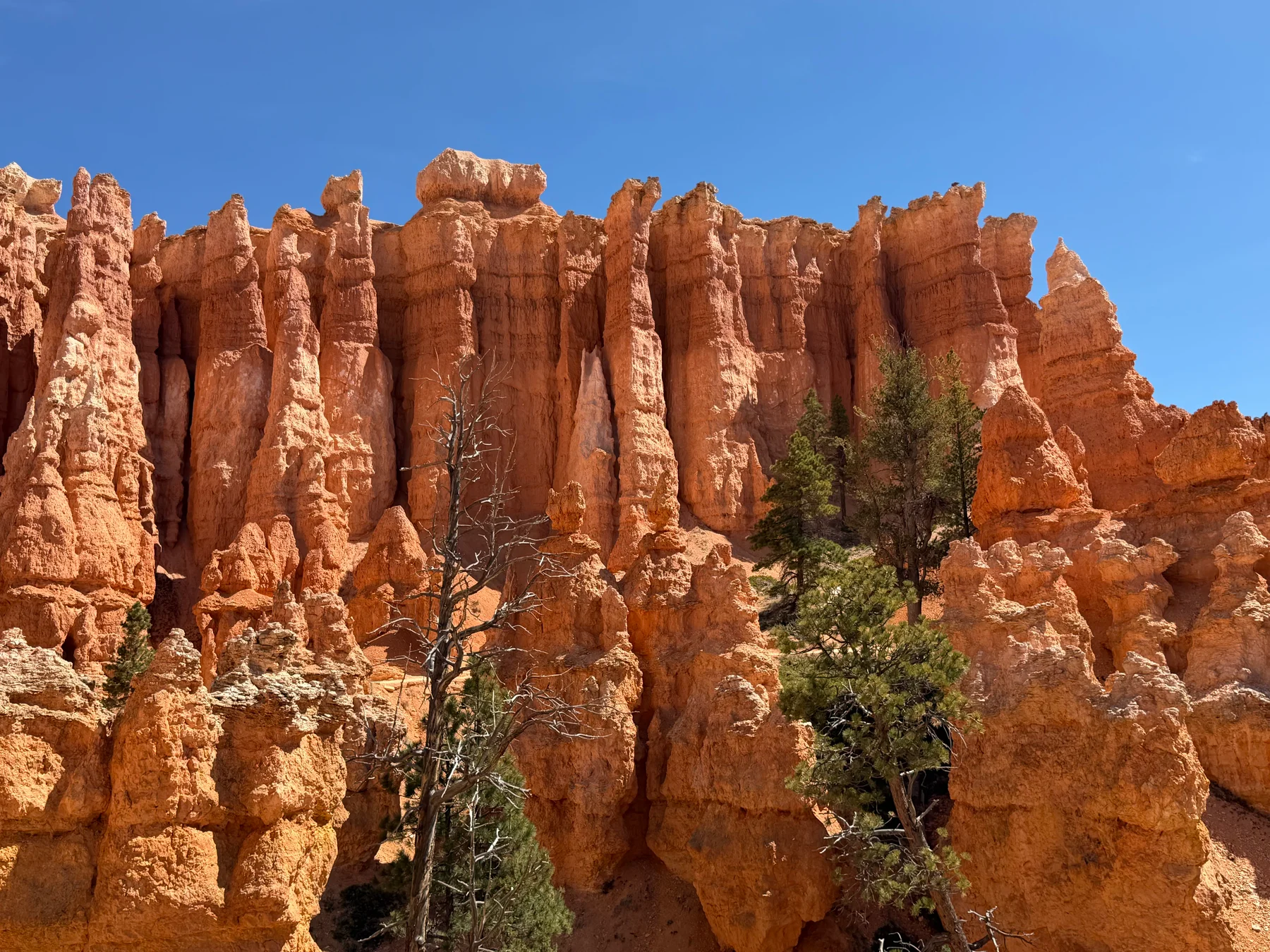
Bryce Canyon for hoodoos and rim views
Start at the Bryce Amphitheater viewpoints. Choose a rim walk or a trail among the hoodoos to match your ability and the conditions.
Bryce Canyon vs Zion: choose Bryce Canyon for hoodoos and views from the amphitheater rim. Choose Zion for walks beneath tall canyon walls. You can enjoy either without a strenuous hike. For a short trip, choose the scenery first and leave time for the walks and travel you want.
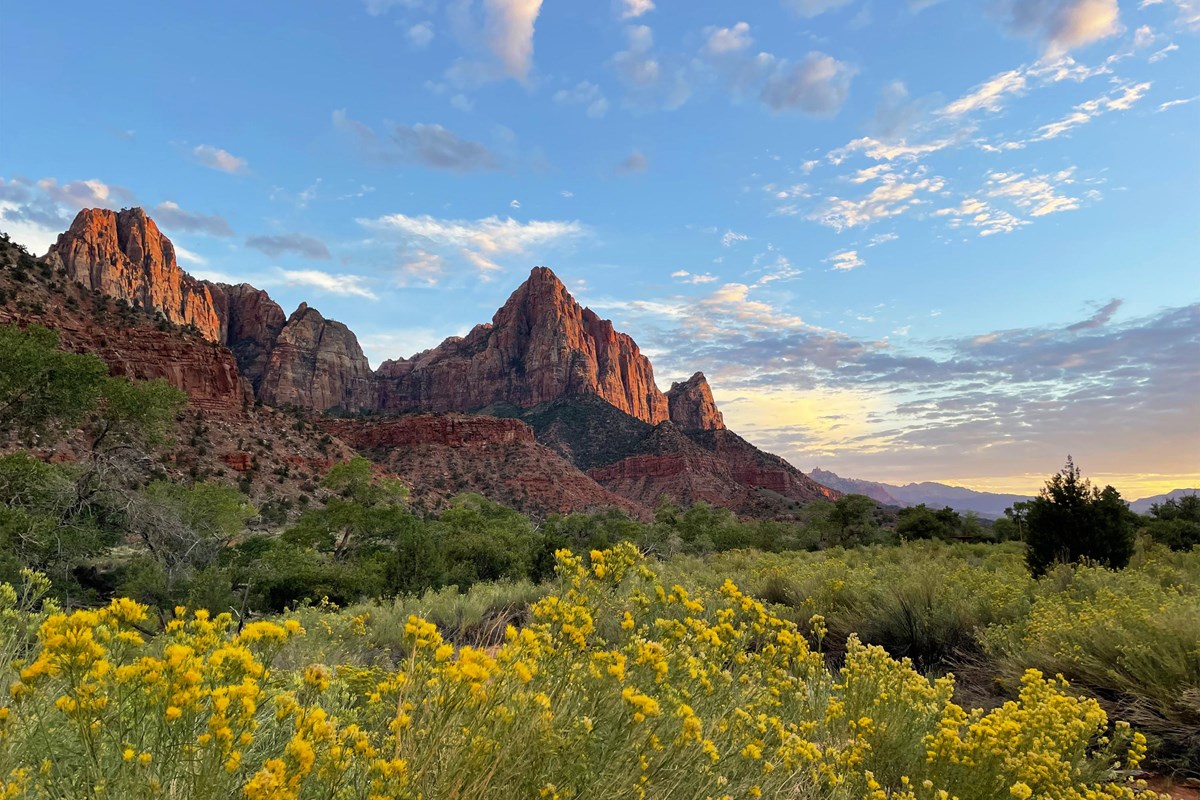
Check official entry guidance, roads, trails and weather before setting your route.
Check official entry guidance, roads, trails and weather before setting your route.
Choose your entrances and actual stops before mapping transfers or booking a base.
Bryce puts the hoodoos below the rim; Zion puts canyon walls above your walks.
Start at the Bryce Amphitheater viewpoints. Choose a rim walk or a trail among the hoodoos to match your ability and the conditions.
Build the day around Zion Canyon and walks that fit your group. Famous hikes are optional; read the route requirements before making one the focus.
Both parks peak in June in the 2021–2025 averages. Each chart compares a park with its own busiest month. Bryce’s five-year averages span its 2025 shuttle-counting change.
| Month | Bryce Canyon | Zion |
|---|---|---|
| January | 34,05810% of peakLow | 139,47423% of peakLow |
| February | 37,59911% of peakLow | 153,17325% of peakLow |
| March | 97,70330% of peakLow | 410,96868% of peakHigh |
| April | 215,14065% of peakHigh | 484,86681% of peakHigh |
| May | 297,89290% of peakPeak | 568,50894% of peakPeak |
| June | 330,635100% of peakPeak | 601,680100% of peakPeak |
| July | 300,19391% of peakPeak | 553,48292% of peakPeak |
| August | 268,21481% of peakHigh | 462,03377% of peakHigh |
| September | 324,59398% of peakPeak | 476,04879% of peakHigh |
| October | 235,42271% of peakHigh | 491,05782% of peakHigh |
| November | 80,31524% of peakLow | 301,26450% of peakModerate |
| December | 55,43117% of peakLow | 214,76936% of peakModerate |
October averages 235,422 visits at Bryce Canyon, 71% of its peak, and 491,057 at Zion, 82% of its peak. These totals describe seasonal visitation, not the crowd at a particular trail or overlook.
Park-wide recreation visits. A lower total does not establish lower crowd density.
| Measure | Bryce Canyon | Zion |
|---|---|---|
| Recreation visits, 2025 | 1,967,367 | 4,984,525 |
| Average annual visits, 2021–2025 | 2,277,194 | 4,857,321 |
| Busiest month | June | June |
| Quietest month | January | January |
| Peak-to-quiet ratio | 9.7 to 1 | 4.3 to 1 |
| Months at 80%+ of peak | 5 | 5 |
Bryce changed its shuttle-passenger counting method in 2025. The annual total and five-year average span that change, so they are not a like-for-like measure of demand.
Decide how much time you want on foot before adding a second park.
For more time on foot, choose one park. At Bryce, focus on the amphitheater and rim. At Zion, choose your canyon stops and check how you will reach their trailheads.
Choose a small set of stops if combining the parks. Give each a separate day if a longer hike is the priority. Check Zion’s transport guidance before setting the order.
Bryce Canyon’s hoodoos are rock spires viewed from the amphitheater rim or trails below it. Zion offers walks beneath tall canyon walls. Start with that difference, then choose the route and season that fit your trip.
A brief visit to both means fewer stops, shorter walks and time for the transfer. Choose one if a longer hike matters to you. Map your actual stops and check transport before deciding whether the combined plan fits.
No. Bryce has amphitheater viewpoints and rim walks. Zion has shorter canyon walks as well as demanding routes. Choose a trail from the official guide that matches your ability and conditions.
The 2021–2025 monthly averages peak in June at Bryce Canyon and June at Zion, with 330,635 and 601,680 average recreation visits. These are park-wide seasonal patterns. They do not measure the crowd at a particular stop.
An independent guide using official data. Not affiliated with or endorsed by the National Park Service.