May
Early summer with snowmeltNPS includes May in summer, but The Narrows can still depend on spring runoff. Keep a dry walk as the core plan.
568,508 average visits in May
Zion in summer means hot canyon days, busy shuttles and river trips controlled by water and flash-flood conditions. May through September needs heat planning and a dry-trail alternative to The Narrows.
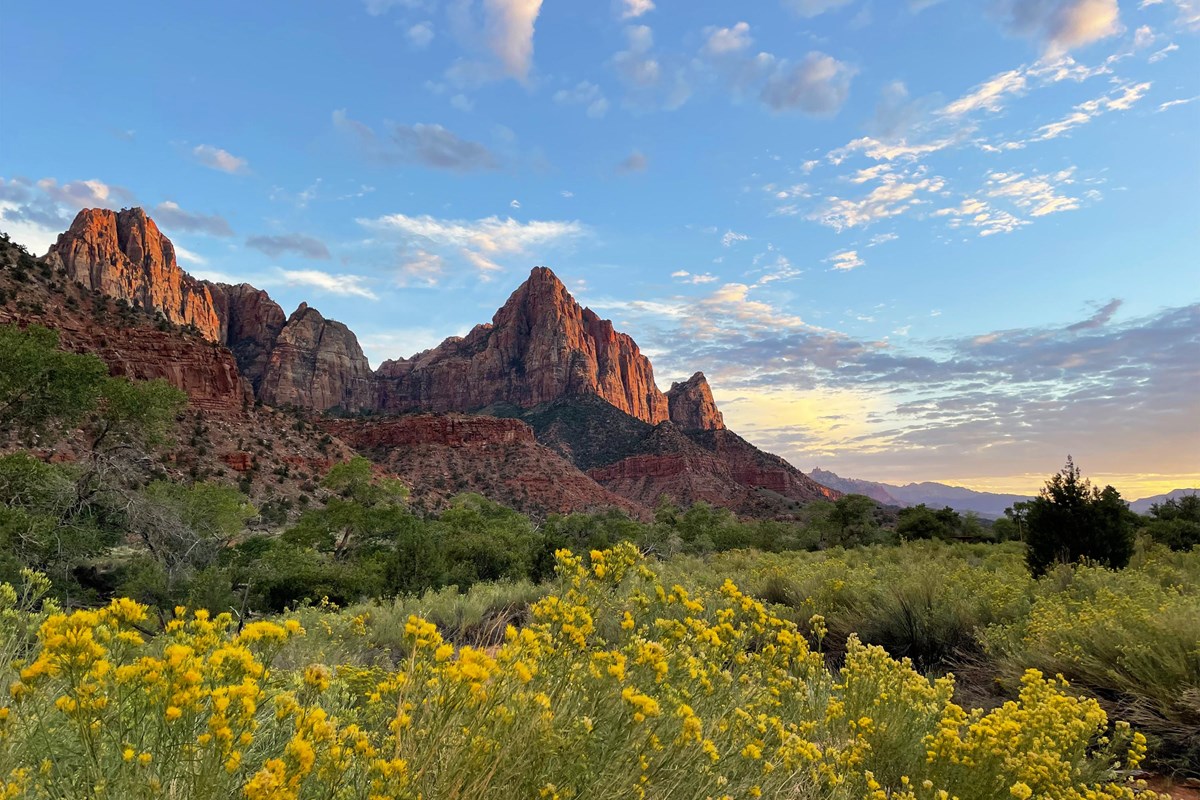
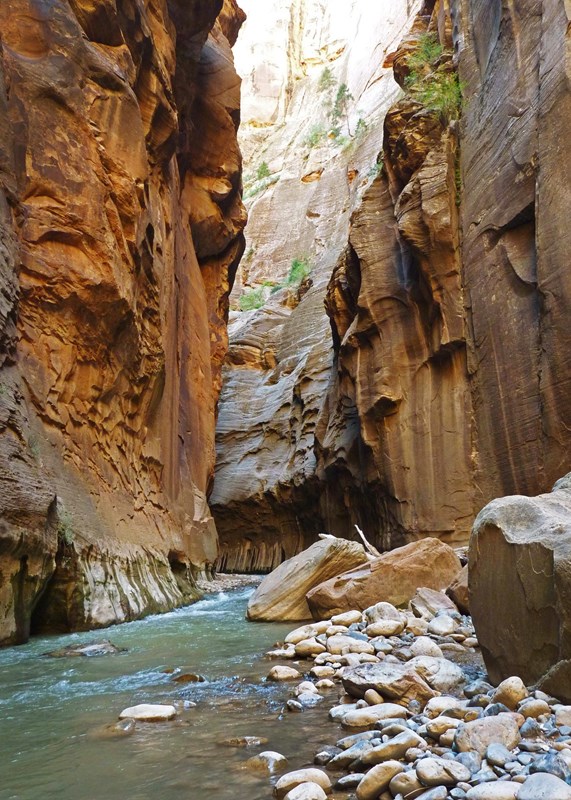
Last checked:
Read official alerts before choosing your route.
Check seasonal access and the places you want to visit.
Confirm the property or campground calendar before booking.
Choose your month around the outings and conditions that matter most.
NPS includes May in summer, but The Narrows can still depend on spring runoff. Keep a dry walk as the core plan.
568,508 average visits in May
Choose earlier, shorter outings and a midday break. A river itinerary still needs its own water and weather check.
601,680 average visits in June
July starts the main monsoon period. Check flash-flood forecasts before any slot-canyon or river plan.
553,482 average visits in July
Hot days and monsoon storms can overlap. Keep a dry walk or a rest period instead of relying on river access.
462,033 average visits in August
NPS includes September in summer, and monsoon risk does not end with August. Check the forecast before choosing the route.
476,048 average visits in September
Use the season’s access and safety decisions to choose your outing.
Canyon temperatures regularly exceed 100°F. Use shorter early outings and breaks rather than a list of strenuous midday hikes.
July–September monsoon storms can make narrow canyons dangerous. Do not choose The Narrows just because the water feels cooler.
Shuttle operation normally restricts ordinary private-car access. A lodge reservation does not grant unrestricted driving privileges.
Choose a shorter viewpoint or a longer outing for the actual conditions.
Keep the paved walk as a dry-land alternative when a river hike does not suit conditions.
Water level, weather and official flood guidance control the decision. Check the river hike separately from your shuttle plan.
Use the paved river route for a shorter land outing, with water and an early start. Exposed sections still need heat planning.
Choose Zion Canyon or the east-side highway as your main outing.
Choose an overnight base separately from the canyon shuttle plan.
The only in-park lodge. Overnight vehicle access is limited to the designated lodge parking arrangements; it does not grant unrestricted Scenic Drive access.
Camping Watchman normally operates year-round with reservations. Confirm a booking and the actual campground conditions rather than assume a vacant site.
The highlighted whole months average 532,350 recreation visits per month. June is the annual peak at 601,680.
NOAA 1991-2020 averages at Zion National Park, UT. These averages describe the Zion Canyon floor; higher Kolob areas have different conditions.
Quick answers to the practical questions below.
Zion in summer means hot canyon days, busy shuttles and river trips controlled by water and flash-flood conditions. May through September needs heat planning and a dry-trail alternative to The Narrows.
May: Early summer with snowmelt. June: Plan around canyon heat. July: Monsoon planning begins. August: Heat and storm alternatives. September: Summer continues.
Canyon temperatures regularly exceed 100°F. Use shorter early outings and breaks rather than a list of strenuous midday hikes.
An independent guide using official data. Not affiliated with or endorsed by the National Park Service.
NPS seasonal, activity and overnight guidance supports the normal patterns and named choices on this page. Check the linked official pages for current operation and booking details.
Month choices describe the reviewed planning window. Monthly recreation visits are full-calendar-month 2021–2025 averages, including any month partly inside the window.
Temperatures are NOAA 1991-2020 normals at Zion National Park, UT; Zion NP station sits inside the park at ~4,038 ft, near the Zion Canyon Visitor Center elevation. These numbers represent the Zion Canyon floor (south entrance, Springdale, the main shuttle corridor). Kolob Canyons and Kolob Terrace sit higher: NPS puts the Kolob Canyons Visitor Center at 5,200 ft and Lava Point Campground at 7,890 ft, and says snow builds up at higher elevations after winter storms while it melts within hours lower down.
Seasonal highlights mark the editorial month window, not guaranteed access or travel-date weather.
Operational source check: October 21, 2026. Design and emphasized source review: 2026-10-21. A design review does not refresh every underlying record.