Per-month · January

Redwood in January.

By Nicholas Major · Last updated

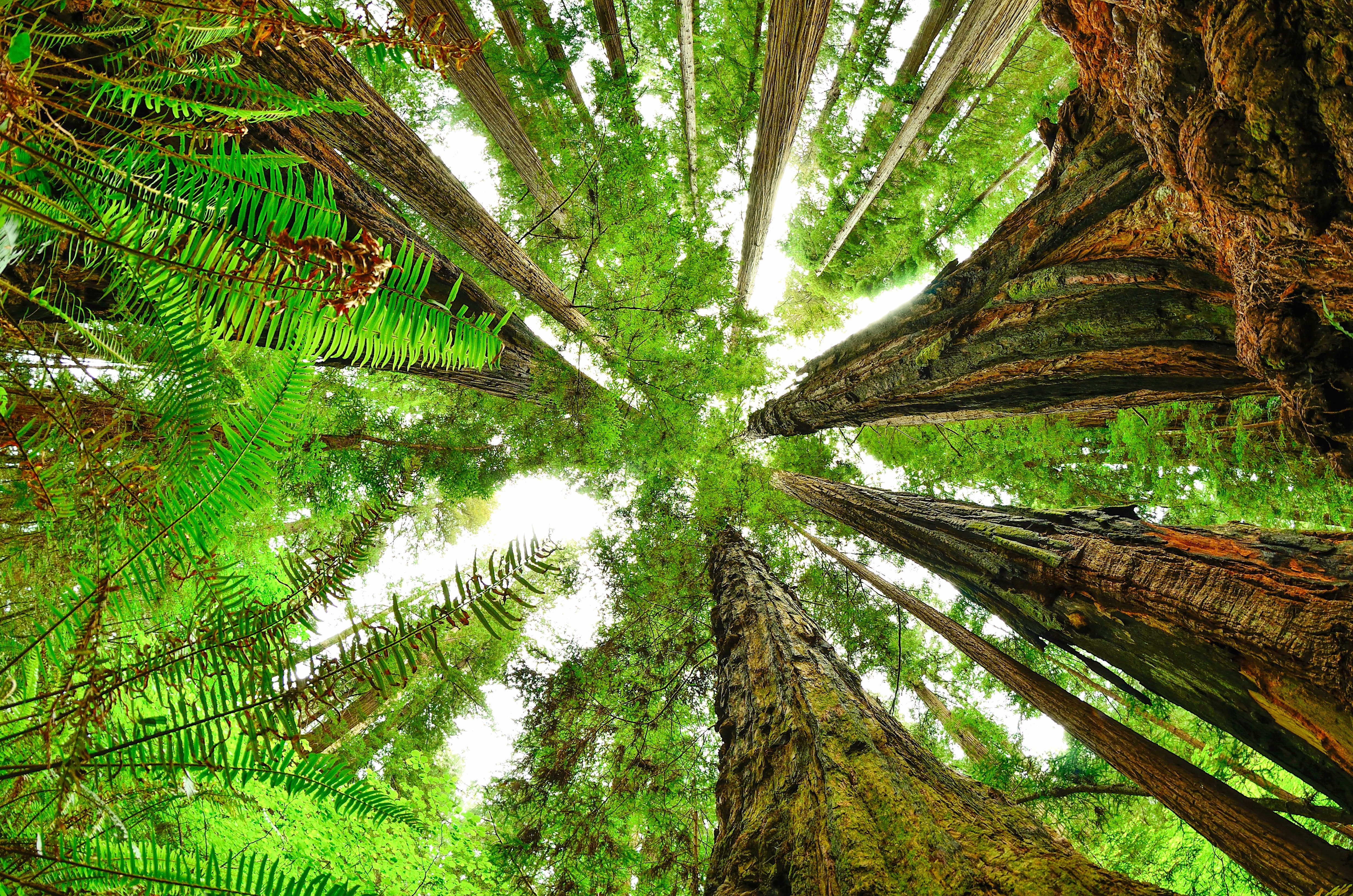
January ties December as the quietest stretch of the year at Redwood, with a five-year mean near 24,600 recreation visits, about 26% of the June peak. It is also one of the wettest months: the Klamath coastal station averages 13.4 inches of rain, part of the 60 to 80 inches the park collects mostly from November through March (NPS weather). The tradeoff for all that rain is solitude. The old-growth groves along the paved Newton B. Drury Scenic Parkway are lush, dripping, and nearly empty, and Redwood National Park charges no entrance fee any day of the year. Roosevelt elk graze the prairies at Elk Meadow and Prairie Creek, and southbound gray whales still pass the coast. Bring real rain gear, expect the unpaved back roads to close after storms, and keep plans flexible around the weather.

Crowd snapshot.

January sits at the bottom of the visit calendar with a five-year mean around 24,600 recreation visits, roughly 26% of the June peak and effectively tied with December for the quietest month. The visitor mix is thin: a few local day trippers from Crescent City and the Humboldt coast, some storm-watchers, and a small core of photographers chasing fog and moody light in the old growth. Weekends see a little more traffic than weekdays, but even the marquee groves along the Drury Parkway feel empty on a rainy January morning. Parking is never a problem, and the trails are yours.

FieldValue
January recreation visits (5-yr mean)24,578
Share of June's peak26%
Crowd bandlow
Park's busiest month (5-yr mean)June
Park's quietest month (5-yr mean)December

Weather snapshot.

The Klamath coastal station averages a January high near 54.7°F and a low near 39.4°F, mild by national-park standards but persistently wet. January brings about 13.4 inches of rain in a normal year, among the wettest months on the calendar, delivered by Pacific storms that arrive in series. Between fronts the air can turn clear and crisp, but standing water, slick roots, and muddy trails are the rule. Snow is essentially unheard of at the coast. The forest canopy blunts the wind and rain underneath the tallest trees, so the groves are more sheltered than the open beaches during a blow.

FieldValue
Average high (°F)54.7
Average low (°F)39.4
Precipitation (inches)13.38
Snowfall (inches)0.0
Weather bandcold
StationKlamath, CA at 28 ft

Access snapshot.

Every named Redwood road is open year-round; the paved U.S. 101 corridor and the Newton B. Drury Scenic Parkway stay drivable through winter. The three unpaved drives (Howland Hill, Bald Hills, and Davison to Gold Bluffs Beach) are the weak point: they can close after storms for flooding, mud, or downed trees. Check the NPS Redwood conditions page before driving them. The Gold Bluffs Beach / Fern Canyon day-use permit is not required in winter (it runs May 15 to September 15), but Davison Road can be rough. Mill Creek Campground is closed for the season; the other state-park campgrounds reserve through ReserveCalifornia. Redwood National Park charges no entrance fee.

FieldValue
January access score (0-100)80
Year-round routePaved U.S. 101 and the Newton B. Drury Scenic Parkway are open year-round; the unpaved Howland Hill, Bald Hills, and Davison drives can close after winter storms
Verify current road, campground, and permit statusOfficial NPS Redwood conditions page

Seasonal events.

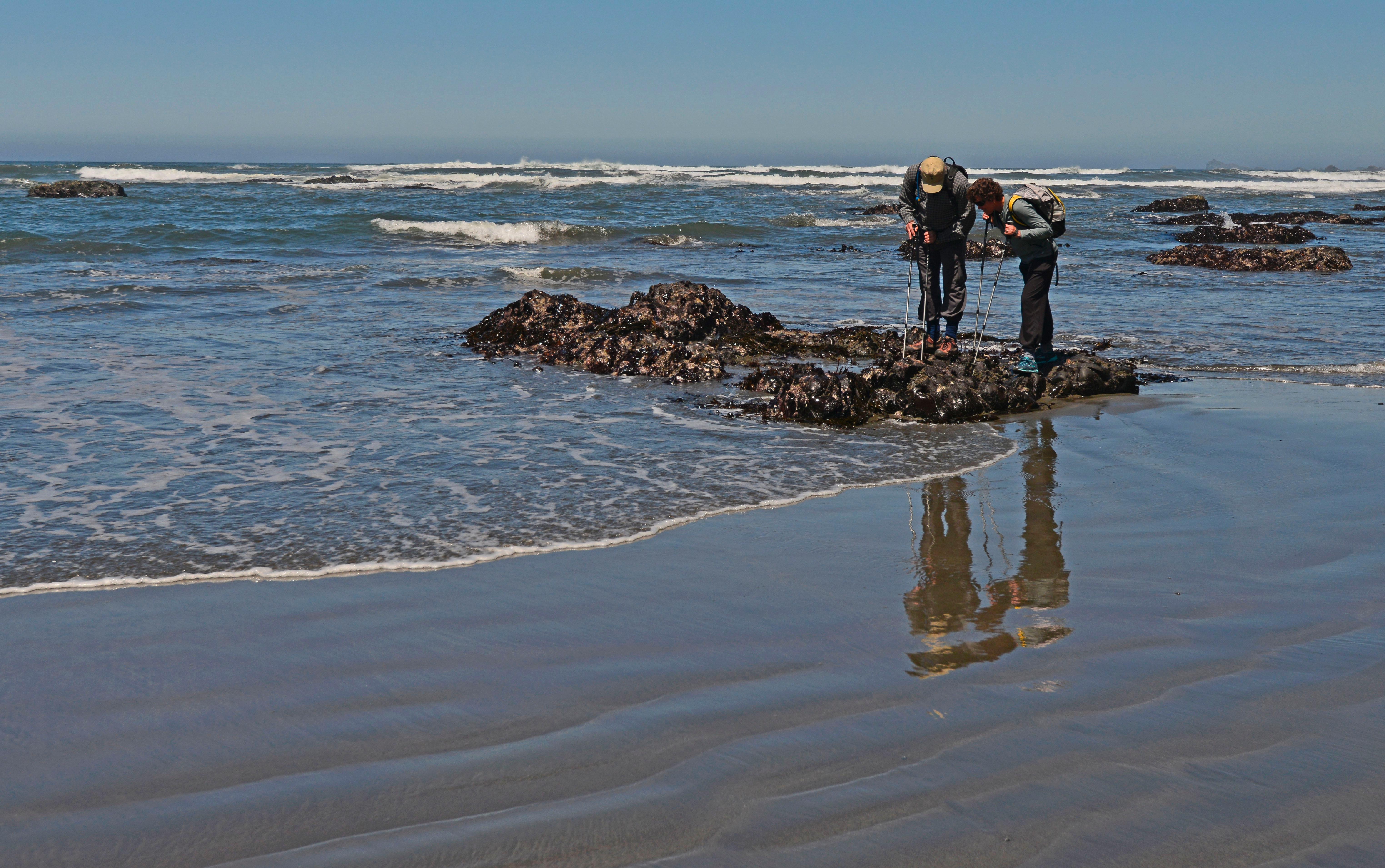
January is prime storm-watching and quiet-forest season. Southbound gray whales are still moving down the coast, and the Klamath River Overlook is the best shore-based spot to look for spouts on a clear break between fronts (NPS). Roosevelt elk are easy to find grazing the prairies at Elk Meadow and Prairie Creek; give them at least 25 yards (NPS). Winter is also when the coast redwoods look their greenest, with mosses, ferns, and sorrel at full saturation. Bald eagles and other raptors work the river corridors, and the tidepools along the Enderts Beach and coastal sections come alive at the winter low tides.

Audience verdict.

January serves the solitude seeker and the foul-weather photographer more than the family. It rewards visitors based in Crescent City, Klamath, or Trinidad who want empty groves, storm-lashed beaches, and the misty light that makes the redwoods famous, with no permits and no entrance fee to worry about. It is not the month for a beach day or a dry hike, and the unpaved old-growth roads may be closed when you arrive. Families can still enjoy the paved Drury Parkway groves and the visitor centers between showers. RV travelers should base in a gateway town; Mill Creek is closed, and the unpaved roads are no place for a big rig in the wet.

Common questions.

Is January a good time to visit Redwood?

January runs quiet at Redwood, about 26% of the June peak, with cold weather (average highs near 55°F). If thinner crowds are the goal, it is one of the easier months to pick.

How crowded is Redwood in January?

January averages about 24,578 recreation visits, roughly 26% of Redwood's busiest month (June). That puts it among Redwood's quietest months.

How much of Redwood is open in January?

In a typical January, about 80% of Redwood's road network (weighted by how important each route is) is open to wheeled vehicles. Road-opening dates shift year to year, so check the official NPS page for current conditions before you go.

Methodology

Monthly recreation visits come from the official NPS Visitor Use Statistics Data Package, 2025 on NPS IRMA Stats; the statistic shown is Recreation Visits (Redwood National Park), the 5-year mean across 1979-2025. These counts cover Redwood National Park (the NPS-administered lands); the three cooperatively managed California state parks are counted separately, and the 2024-2025 totals reflect an improved NPS counting method rather than real growth, so the reliable timing signal is the month-to-month share of the peak. Climate normals come from NOAA NCEI's 1991-2020 U.S. Climate Normals at Klamath, CA (station USC00044577, 28 ft elevation, coastal lowland). The access score weights how much of the road network is typically drivable that month; Redwood's roads are open year-round, so the winter dip reflects storm closures on the unpaved drives. Year-variable specifics (the Gold Bluffs Beach / Fern Canyon permit window, Mill Creek Campground season, elk rut and calving, gray whale windows) drift year to year and are hedged above; confirm current details on the official NPS Redwood page before booking. Independent site, not affiliated with the National Park Service.

Independence

Independent site. Not affiliated with or endorsed by the National Park Service. Data comes from the official NPS Visitor Use Statistics Data Package, 2025; editorial analysis is ours. The NPS Arrowhead and other NPS marks are not used.

Last updated · 2026-07-13