Per-month · March

Joshua Tree in March.

March is a peak-everything audience month.

By Nicholas Major · Last updated

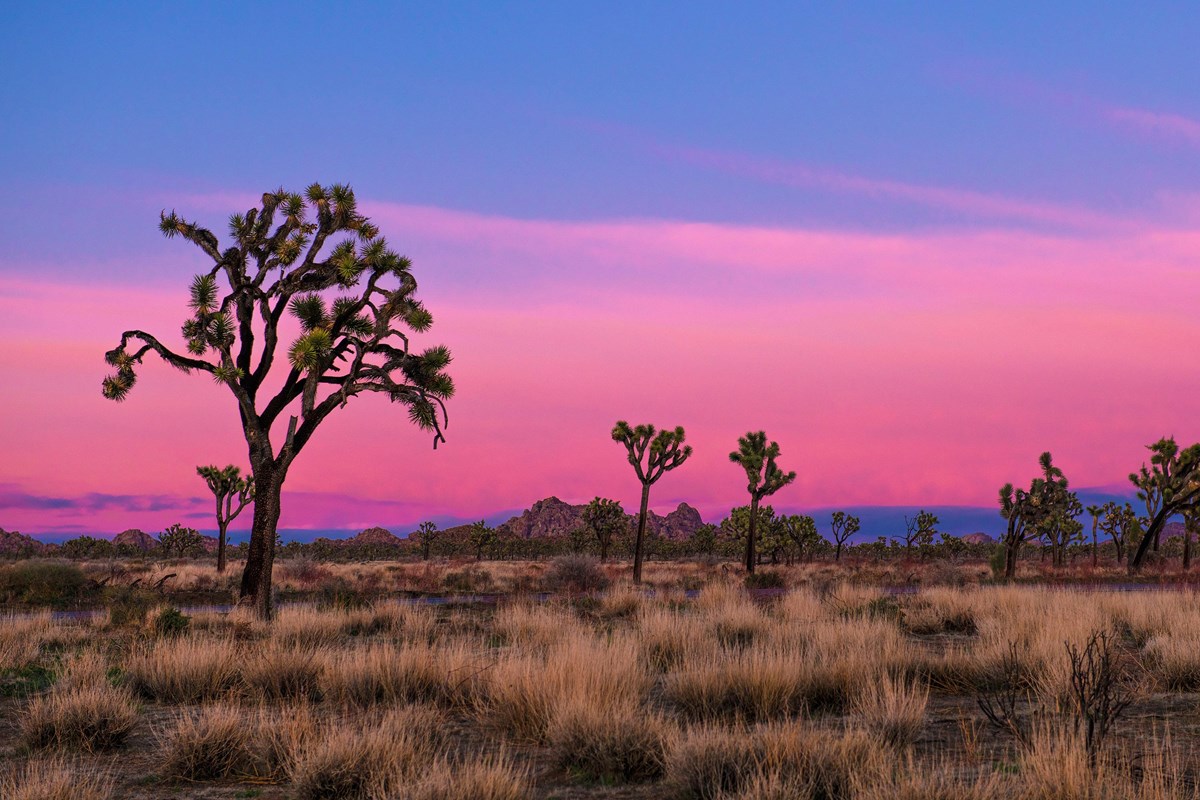
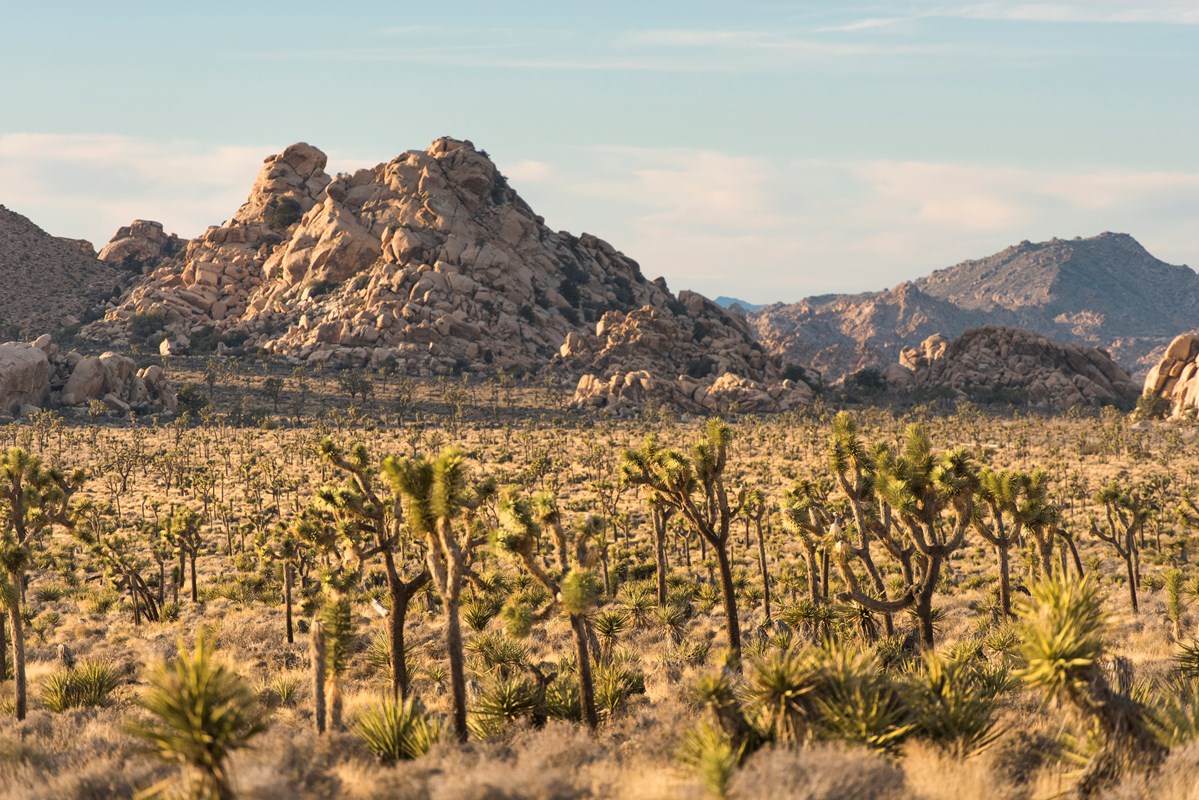
March is the year's peak month at Joshua Tree, with a five-year mean near 411,000 recreation visits — the highest of any month, driven by spring break, the wildflower window, and the year's cleanest combination of warm days, cool nights, and full operations. Daytime highs at the Twentynine Palms station average 74°F with overnight lows near 49°F; the Hidden Valley campgrounds run roughly 10°F cooler. There is no seasonal road closure. The mid-month-through-spring-break stretch is the densest of the year — Twentynine Palms, Joshua Tree, and Yucca Valley lodging sells out, reservation campgrounds release at the 6-month-out mark and book within minutes, and the Hidden Valley district parking fills before mid-morning on weekends. In big-bloom years, March is the photographer's calendar; in dry years, the crowd still arrives but the bloom is muted per the NPS blooms page.

Crowd snapshot.

March is the absolute peak month at Joshua Tree by five-year mean — about 411,000 recreation visits, the year's highest. The first week remains workable as the late-February stretch holds, but mid-month through spring break the density ramps hard. By the third week the Hidden Valley district sees parking-fight conditions before mid-morning on weekends, Cottonwood and the Pinto Basin Road run heavier with bloom-watchers, and Keys View has its tightest parking pressure of the year at sunset. Lodging in Twentynine Palms, Joshua Tree, and Yucca Valley sells out for spring break weeks. Reservation campgrounds (Black Rock, Indian Cove, Jumbo Rocks, Cottonwood, Ryan now back open) book to the 6-month-out window within minutes of release on Recreation.gov.

FieldValue
March recreation visits (5-yr mean)410,905
Share of March's peak100%
Crowd bandpeak
Park's busiest month (5-yr mean)March
Park's quietest month (5-yr mean)July

Weather snapshot.

The Twentynine Palms NOAA station records a March high near 74.1°F and a low near 49.3°F. Precipitation normals are about 0.35 inches — the wet season is winding down. Days are warm and clear, nights still cool, and the day-night swing is the photographer's friend. The high country at Hidden Valley and Lost Horse Valley runs ~10°F cooler than the station; mornings at the high-country campgrounds can still be in the upper 30s°F at sunrise. Late-month afternoons begin pushing toward the 80°F mark, an early indicator that the heat-safety window is approaching. Visibility at Keys View remains strong on offshore-flow days. Daylight extends past 7 p.m. by month-end after the DST shift.

FieldValue
Average high (°F)74.1
Average low (°F)49.3
Precipitation (inches)0.35
Snowfall (inches)0.0
Weather bandwarm
StationTwentynine Palms, CA at 1,975 ft

Access snapshot.

All paved roads inside Joshua Tree are open in March — verify on the NPS Joshua Tree conditions page. Ryan Campground reopens for the spring season — combined with Black Rock, Indian Cove, Jumbo Rocks, and Cottonwood, the reservation track is at full capacity per the NPS campgrounds page. Belle and White Tank first-come campgrounds remain in their pre-summer cadence. Spring-break weekend reservations sell out instantly on Recreation.gov at the 6-month-out release. Standard 7-day vehicle pass per the NPS fees page.

FieldValue
March access score (0-100)100
Year-round routeAll paved roads year-round (Park Boulevard, Pinto Basin Road, Keys View Road, Cottonwood corridor, Black Rock + Indian Cove access)
Verify current road, campground, and safety statusOfficial NPS Joshua Tree conditions page

Seasonal events.

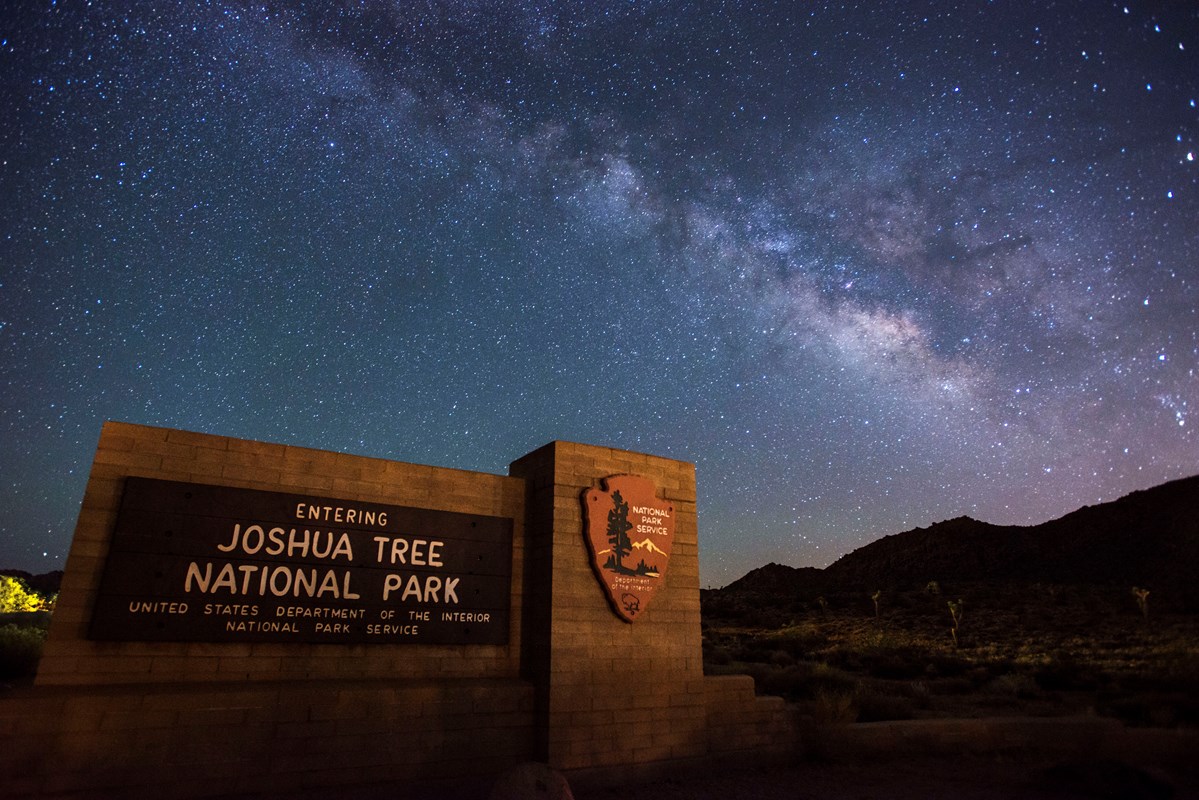
March is bloom-window peak in years when winter rain hit the threshold per NPS — mid-elevation lupine, paintbrush, beavertail cactus blooms, and the Joshua tree's own flowering display (creamy clusters on the canopies) all peak through mid-month. In drought years the bloom is muted but the crowd still shows up. Climber season continues at full schedule. The Mojave Desert phenology — bighorn sheep activity, desert tortoise emergence from winter brumation, songbird migration through the river corridors — all shift into spring mode. Dark-sky conditions remain excellent in new-moon weeks; the galactic-center Milky Way begins appearing in pre-dawn hours late month. Spring break draws families, climbers, photographers, and international visitors in equal measure.

Audience verdict.

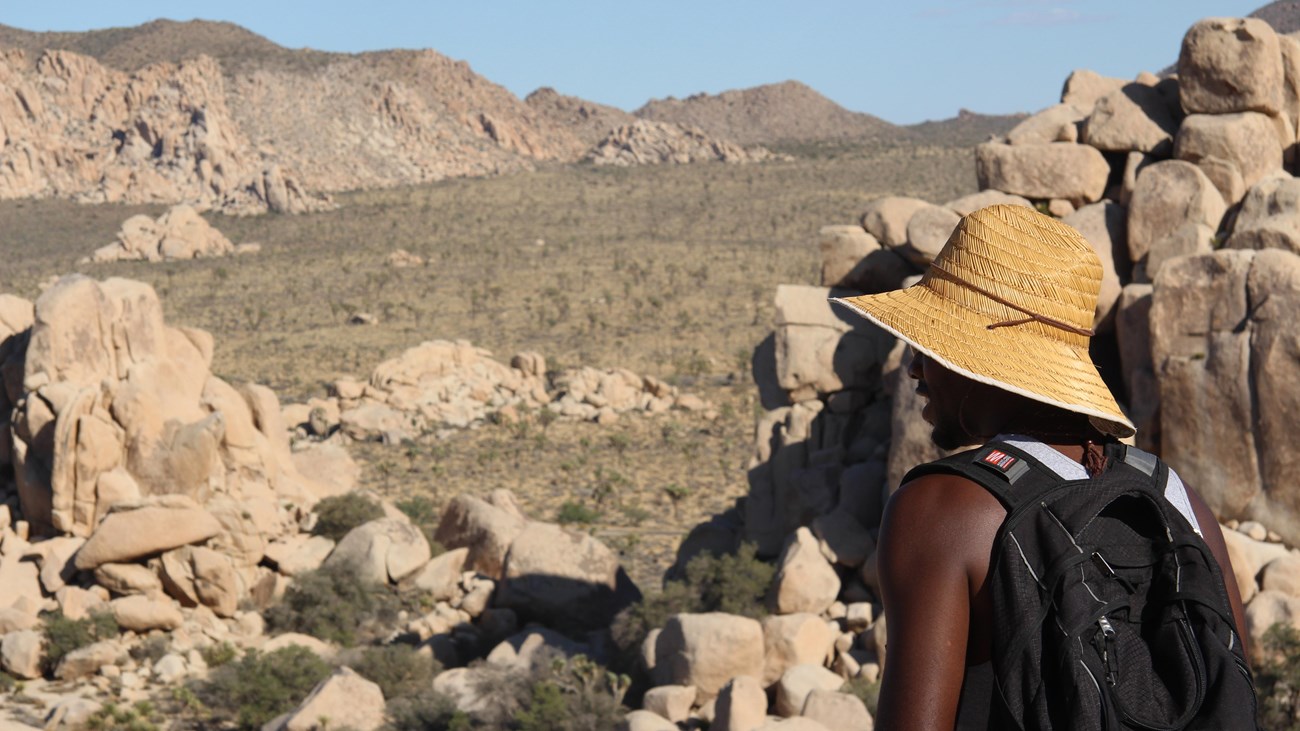
March is a peak-everything audience month. It serves photographers chasing the bloom-and-bloom-aftermath windows, climbers (the warmest comfortable climbing of the year is approaching), families locked to spring-break school calendars, and visitors who want the cleanest weather of the year. The cost is crowd density: book lodging six months out, book reservation campgrounds at the release moment, and plan around mid-week if any flexibility exists. The wildflower payoff varies year to year — superblooms are the exception per NPS — so treat the bloom as upside and the crowd as guaranteed. Heat safety is not yet an issue this month, but late-March afternoons hint at the May ramp.

Methodology

Monthly recreation visits come from the official NPS Visitor Use Statistics Data Package, 2025 on NPS IRMA Stats; the statistic shown is Recreation Visits, the 5-year mean across 1979-2025. Climate normals come from NOAA NCEI's 1991-2020 U.S. Climate Normals at Twentynine Palms, CA (station USC00049099, 1,975 ft elevation). The access score weights named park roads by route importance for typical wheeled-vehicle openings that month; Joshua Tree has no major seasonal road closure inside the park, so the score reflects campground reopenings and summer heat-safety advisories rather than pavement closures. Year-variable specifics — exact Belle / White Tank / Ryan summer closure dates, Night Sky Festival dates — drift year to year and are hedged in the editorial above; confirm current dates on the official NPS Joshua Tree page before booking. Independent site, not affiliated with the National Park Service.

Independence

Independent site. Not affiliated with or endorsed by the National Park Service. Data comes from the official NPS Visitor Use Statistics Data Package, 2025; editorial analysis is ours. The NPS Arrowhead and other NPS marks are not used.

Last updated · 2026-05-28