Per-month · October

Indiana Dunes in October.

October is the broadest-appeal fall month at Indiana Dunes.

By Nicholas Major · Last updated

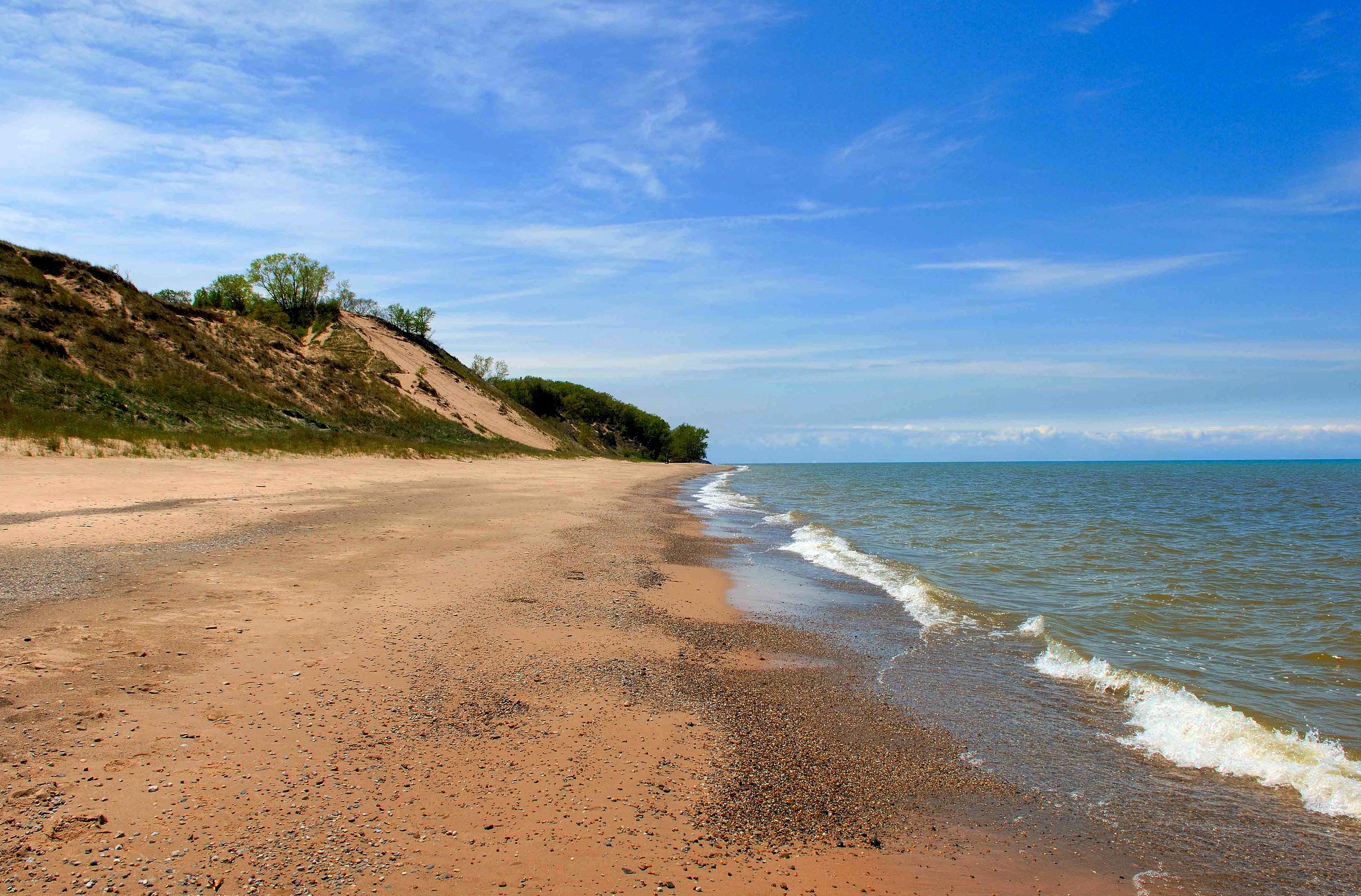
October stands as the strongest fall shoulder month at Indiana Dunes. Five-year mean visitation reaches about 212,000 recreation visits — roughly 42% of July's peak. The Valparaiso station logs October highs near 64°F against overnight lows near 44°F. Lake Michigan surface temperatures fall from the upper 50s°F early-month into the low 50s°F by month-end — swim windows close. Oak-savanna foliage peaks mid-to-late month across the Bailly-Chellberg area, the Cowles Bog Trail, and the Heron Rookery. Tundra-swan and broader waterfowl migration arrives at the wetland edges in the back half. Mount Baldy ranger-led summit hikes continue at a reduced fall cadence — current dates appear on the park calendar (linked under Access below). Dunewood Campground typically closes during October; confirm the current closing date on the NPS campgrounds page. Travelers chasing fall foliage, waterfowl migration, and the last shoulder window before winter find October the strongest non-summer month.

Crowd snapshot.

October runs about 212,000 recreation visits in the five-year mean — about 42% of July's peak. The first two weeks track late-September shoulder-busy patterns as fall-color travelers arrive and weather stays mild. The last 10 days drop sharply once Dunewood Campground closes, fall-foliage peak passes, and Lake Michigan water drops out of the swim-comfort window. Columbus Day (Indigenous Peoples Day) three-day weekend produces a small spike at the lakeshore towns. Weekday traffic on park roads runs quietly through the back half.

FieldValue
October recreation visits (5-yr mean)212,361
Share of July's peak42%
Crowd bandmoderate
Park's busiest month (5-yr mean)July
Park's quietest month (5-yr mean)January

Weather snapshot.

The Valparaiso NOAA station records an October high near 63.6°F and a low near 44.0°F. The monthly precipitation normal of 3.93 inches reflects active fall storm cycles; strong storms produce dramatic Lake Michigan wave events on northerly wind days. Lake Michigan surface temperatures drop from the upper 50s°F early-month into the low 50s°F by month-end — swim windows close for most visitors. First fall frost at the inland station lands by early month; the immediate lakeshore stays frost-free for another two to three weeks because the lake moderates shoreline air temperature. Late-month overnight lows drop into the mid-30s°F.

FieldValue
Average high (°F)63.6
Average low (°F)44.0
Precipitation (inches)3.93
Snowfall (inches)0.3
Weather bandshoulder
StationValparaiso Water Works, IN at 800 ft

Access snapshot.

All park roads stay open. West Beach fee collection runs at reduced fall cadence — verify on the NPS Indiana Dunes fees page. Mount Baldy ranger-led summit hikes continue at reduced fall cadence per the NPS Mount Baldy page; confirm dates on the NPS Indiana Dunes calendar. Dunewood Campground typically closes during October — verify the current closing date on the NPS campgrounds page before booking. Indiana Dunes Visitor Center and Paul H. Douglas Center remain open at full schedule.

FieldValue
October access score (0-100)75
Year-round routeAll park roads open year-round — no seasonal closures by Great Lakes low-elevation geography (Mount Baldy summit trail is ranger-led only; Dunewood Campground operates seasonally)
Verify current conditions and Mount Baldy program scheduleOfficial NPS Indiana Dunes conditions page

Seasonal events.

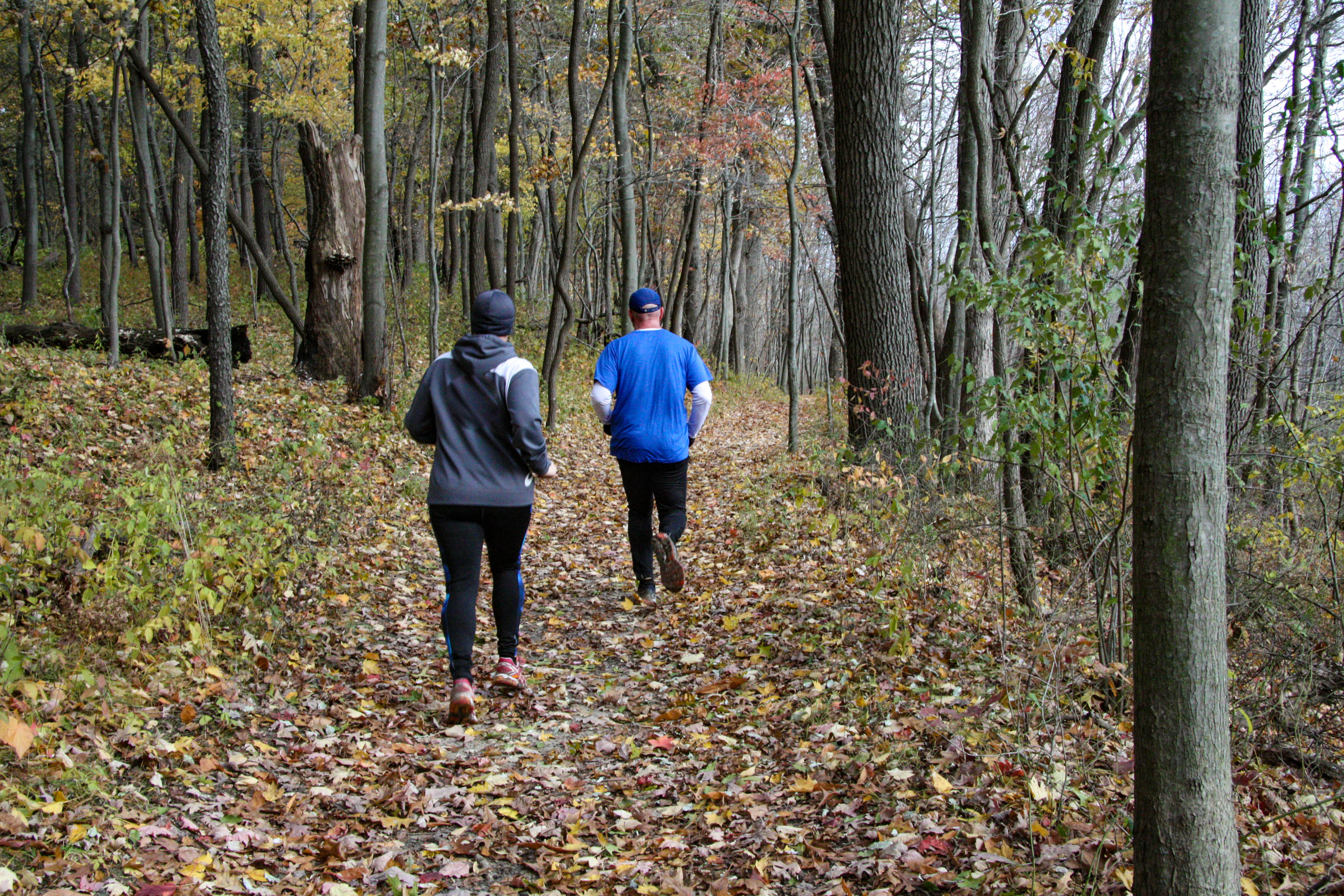
October is fall foliage peak at Indiana Dunes' oak savannas. The Cowles Bog Trail, Bailly-Chellberg area, Heron Rookery, and Pinhook Bog corridors color first; sugar maples in the wooded ravines peak mid-month with red oaks and white oaks following late month. Tundra-swan and snow-goose migration concentrates at the wetland edges during the last 10 days. Common-loon migration passes through Lake Michigan. Late-month duck arrivals — mallards, wood ducks, ring-necked ducks, hooded mergansers — build at Cowles Bog. Wintering bald eagles begin returning to the Trail Creek and Little Calumet River corridors. Mushroom diversity peaks in the wet wooded sections during active rain weeks.

Audience verdict.

October is the broadest-appeal fall month at Indiana Dunes. It serves photographers (oak-savanna foliage, dramatic Lake Michigan storms, dark-sky windows in new-moon weeks), shoulder-season travelers, families with flexible school calendars and Indigenous Peoples Day weekend trips, and bird-watchers tracking the waterfowl-and-eagle arrivals. The single biggest planning question is whether the trip lands inside or outside the Dunewood Campground season — anchor on the published closing date. RV travelers gain alternate options at the Indiana Dunes State Park Campground (Indiana DNR, separate fee, immediately east of the National Park boundary) once Dunewood closes.

Methodology

Monthly recreation visits come from the official NPS Visitor Use Statistics Data Package, 2025 on NPS IRMA Stats; the statistic shown is Recreation Visits, the 5-year mean across 1979-2025. Climate normals come from NOAA NCEI's 1991-2020 U.S. Climate Normals at Valparaiso Water Works, IN (station USC00128999, 800 ft elevation). Lake Michigan moderates daytime summer temperatures at the immediate lakeshore (typically 5-10°F cooler than Valparaiso on lake-breeze afternoons) and amplifies winter lake-effect snow on northerly wind days. The access score weights named park roads by route importance for typical wheeled-vehicle openings that month; Indiana Dunes has no seasonal road closures, so the score reflects facility-and-beach-access cadence rather than road status. Year-variable specifics — Mount Baldy summit ranger-led program schedule, Dunewood Campground season window, West Beach fee staffing — drift year to year and are hedged in the editorial above; confirm current dates on the official NPS Indiana Dunes page before booking. Independent site, not affiliated with the National Park Service.

Independence

Independent site. Not affiliated with or endorsed by the National Park Service. Data comes from the official NPS Visitor Use Statistics Data Package, 2025; editorial analysis is ours. The NPS Arrowhead and other NPS marks are not used.

Last updated · 2026-05-28