Per-month · May

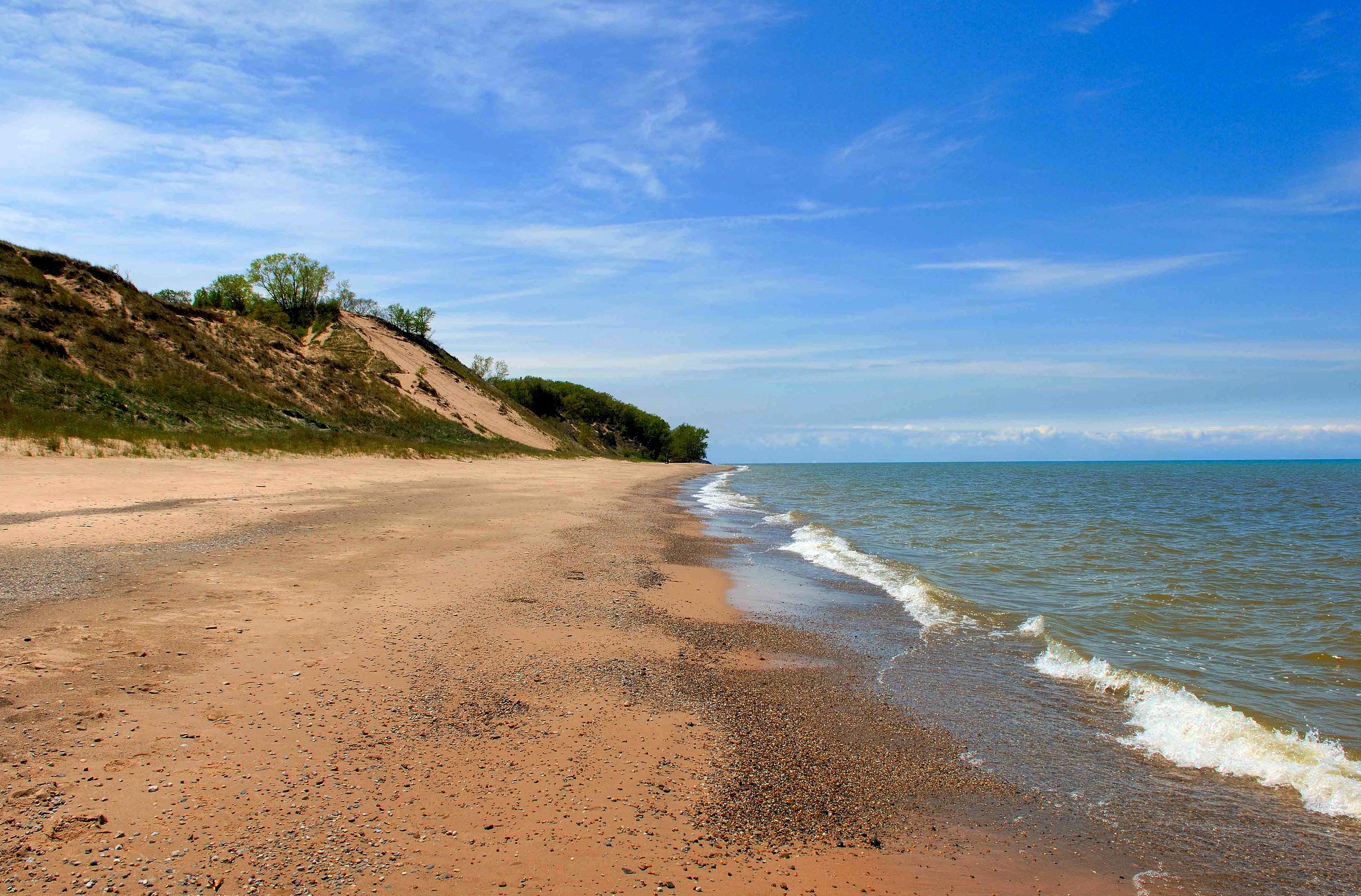
Indiana Dunes in May.

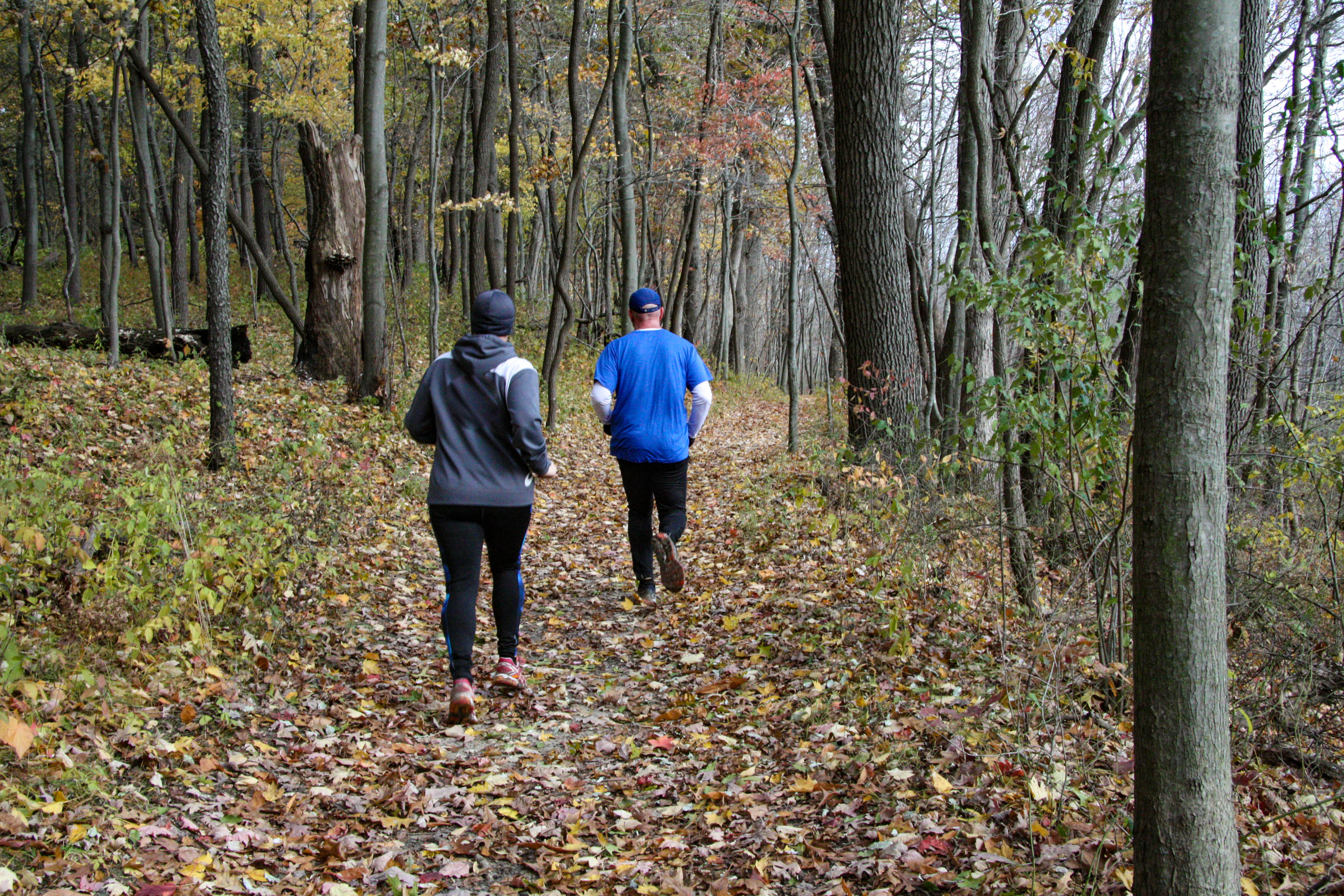
May serves a remarkably broad audience.

By Nicholas Major · Last updated

May is when the Indiana Dunes season turns on. Five-year mean visitation hits about 292,000 — roughly 57% of July's peak and nearly double April. Memorial Day weekend at month-end is the calendar's first true peak-density holiday, with West Beach lots filling by mid-morning. The Valparaiso reading puts the May high near 71°F against overnight lows near 49°F, and precipitation totals 4.59 inches — the wettest single month at the inland station. Warbler migration through the oak savannas hits maximum intensity during the first three weeks; the park's Mississippi Flyway position makes May the strongest songbird month of the year. Lake Michigan surface temperatures climb into the upper 50s°F by month-end, but the water remains cold-shock cool for most visitors. Dunewood Campground operates at full schedule; book through Recreation.gov well ahead for Memorial Day weekend.

Crowd snapshot.

May runs about 292,000 recreation visits in the five-year mean — roughly 57% of July's peak and almost double April. The visitor mix shifts hard between bird-watchers in the first three weeks and beach-anchored weekend visitors as Memorial Day approaches. Memorial Day three-day weekend at month-end is the year's first true peak-density holiday — Chesterton and Michigan City lodging tighten to near-sold-out and West Beach parking sees its first sustained sold-out pressure. The Bear-Lake-equivalent at Indiana Dunes is West Beach: arrive before 9 a.m. on the Memorial Day weekend or use overflow lots. Weekday traffic remains workable through the first three weeks.

FieldValue
May recreation visits (5-yr mean)291,748
Share of July's peak57%
Crowd bandmoderate
Park's busiest month (5-yr mean)July
Park's quietest month (5-yr mean)January

Weather snapshot.

The Valparaiso NOAA station records a May high near 71.2°F and a low near 49.3°F. The monthly precipitation normal of 4.59 inches is the year's highest at the inland station, delivered through active spring thunderstorm cycles. Lake Michigan surface temperatures climb from the upper 40s°F early-month into the upper 50s°F by Memorial Day weekend; cold-water shock is still a real swim hazard for unprepared visitors. Lake-breeze afternoons can run 10-15°F cooler at the immediate beach than at the Valparaiso reading. Late-month mosquitoes intensify in the Cowles Bog and Heron Rookery wooded sections on calm evenings.

FieldValue
Average high (°F)71.2
Average low (°F)49.3
Precipitation (inches)4.59
Snowfall (inches)0.0
Weather bandwarm
StationValparaiso Water Works, IN at 800 ft

Access snapshot.

All park roads stay open. West Beach fee collection ramps to full-season staffing for the Memorial Day weekend per the NPS Indiana Dunes fees page. Mount Baldy summit ranger-led programs run on full summer weekend cadence per the NPS Mount Baldy page — confirm the current calendar on the NPS Indiana Dunes calendar. Dunewood Campground operates at full schedule — reserve through Recreation.gov well ahead. The Indiana Dunes Visitor Center, Paul H. Douglas Center, and ranger programs all run full schedule.

FieldValue
May access score (0-100)95
Year-round routeAll park roads open year-round — no seasonal closures by Great Lakes low-elevation geography (Mount Baldy summit trail is ranger-led only; Dunewood Campground operates seasonally)
Verify current conditions and Mount Baldy program scheduleOfficial NPS Indiana Dunes conditions page

Seasonal events.

May is the songbird-migration peak. Warbler migration in the oak savannas (Cowles Bog Trail, Bailly-Chellberg, Pinhook Bog) hits maximum intensity during the first three weeks (Tier-2 NPS Indiana Dunes birds, Audubon Great Lakes). Dawn through 9 a.m. is peak activity; mid-May produces the heaviest single dawn diversity of the year. Hummingbirds (ruby-throated) become common at feeders in the gateway towns. Lake Michigan piping plovers — the federally endangered shorebird — begin nesting on the protected south-shore beach sections; signed closures protect nest areas. Spring wildflowers — trillium, marsh marigold, jack-in-the-pulpit — peak in the wooded ravines. Aspen and oak leaf-out finishes by Memorial Day weekend.

Audience verdict.

May serves a remarkably broad audience. Bird-watchers and photographers chasing warbler peak migration anchor the first three weeks. Memorial Day weekend serves school-locked families starting the summer beach season with the first warm-weather (but cold-water) lake day. Photographers gain wildflower foregrounds in the wooded sections. The Cowles Bog Trail is at its lushest. Families with flexible school calendars should target mid-month rather than Memorial Day weekend if quieter conditions matter. RV travelers should book Dunewood through Recreation.gov well ahead. Mount Baldy ranger-led summit weekends are at full schedule.

Methodology

Monthly recreation visits come from the official NPS Visitor Use Statistics Data Package, 2025 on NPS IRMA Stats; the statistic shown is Recreation Visits, the 5-year mean across 1979-2025. Climate normals come from NOAA NCEI's 1991-2020 U.S. Climate Normals at Valparaiso Water Works, IN (station USC00128999, 800 ft elevation). Lake Michigan moderates daytime summer temperatures at the immediate lakeshore (typically 5-10°F cooler than Valparaiso on lake-breeze afternoons) and amplifies winter lake-effect snow on northerly wind days. The access score weights named park roads by route importance for typical wheeled-vehicle openings that month; Indiana Dunes has no seasonal road closures, so the score reflects facility-and-beach-access cadence rather than road status. Year-variable specifics — Mount Baldy summit ranger-led program schedule, Dunewood Campground season window, West Beach fee staffing — drift year to year and are hedged in the editorial above; confirm current dates on the official NPS Indiana Dunes page before booking. Independent site, not affiliated with the National Park Service.

Independence

Independent site. Not affiliated with or endorsed by the National Park Service. Data comes from the official NPS Visitor Use Statistics Data Package, 2025; editorial analysis is ours. The NPS Arrowhead and other NPS marks are not used.

Last updated · 2026-05-28