Per-month · March

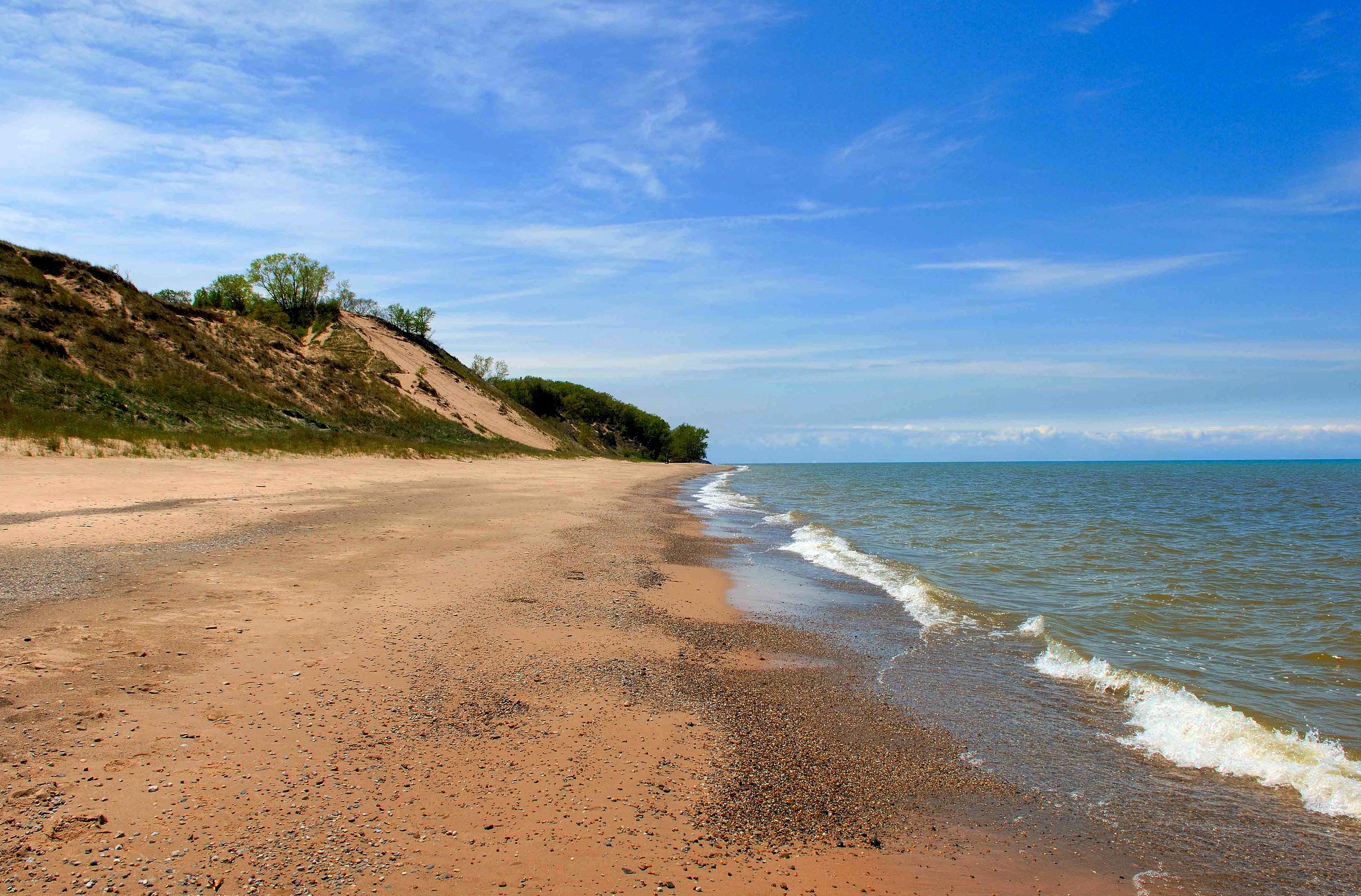
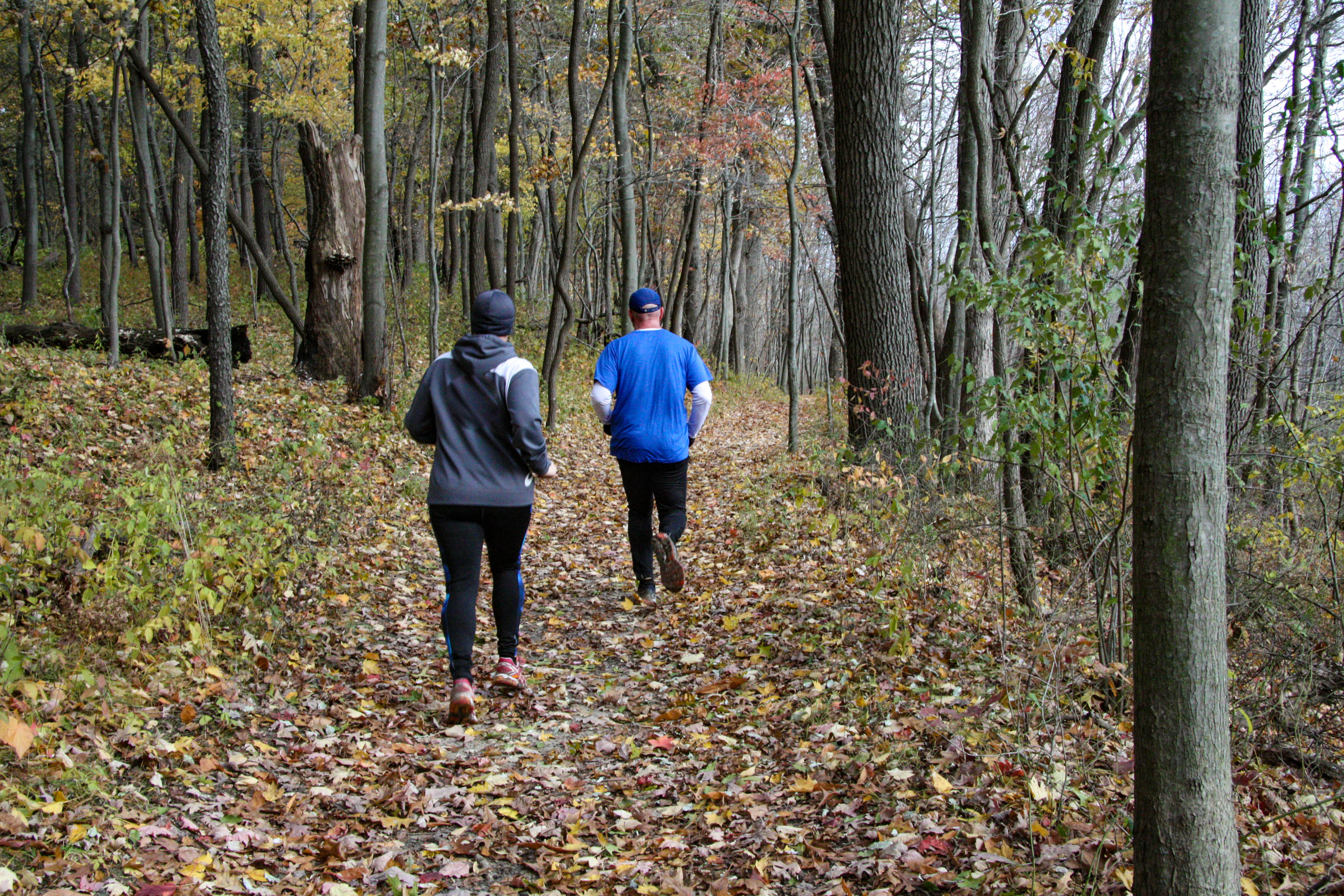
Indiana Dunes in March.

March suits visitors who want shoulder-season solitude with lengthening daylight: photographers chasing dramatic late-storm Lake Michigan waves and dune patterns, bird-watchers tracking early-spring diving-duck and crane passage, and Chicago and northwest Indiana day-trippers who can build a short Chesterton or Michigan City weekend around the trip.

By Nicholas Major · Last updated

March is the pivot month at Indiana Dunes. Five-year mean visitation climbs to roughly 134,000 — still well below summer numbers but the first meaningful lift off the deep winter floor as regional spring-break travel begins. Roads stay drivable across the park year-round. Inland measurements at Valparaiso show a March high near 48°F against overnight lows near 29°F, while the 6.7-inch monthly snowfall figure marks the trailing edge of winter precipitation. Lake Michigan surface temperatures climb out of the upper 30s°F as shoreline ice retreats. Early sandhill-crane migration moves north through the Kankakee River corridor south of the park, and the first early waterfowl — mergansers, scaups, goldeneye — gather on the lake. Dunewood Campground typically remains closed; confirm the current season window on the NPS Indiana Dunes campgrounds page (linked under Access below). For travelers trading lingering cold for the first springtime light, March is the strongest pre-spring shoulder window.

Crowd snapshot.

March runs about 134,000 recreation visits in the five-year mean — roughly 26% of July's peak and the first month with a meaningful lift off the deep-winter baseline. Regional spring-break traffic from Chicago and northwest Indiana school districts concentrates into the middle two weeks, with weekend beach-walk pulses at West Beach and Mount Baldy beach. The Indiana Dunes Visitor Center desk runs at winter cadence early-month and bumps toward spring cadence toward month-end. Weekday traffic on park roads remains quiet.

FieldValue
March recreation visits (5-yr mean)133,910
Share of July's peak26%
Crowd bandlow
Park's busiest month (5-yr mean)July
Park's quietest month (5-yr mean)January

Weather snapshot.

The Valparaiso NOAA station records a March high near 47.6°F and a low near 29.1°F. The monthly snowfall normal of 6.7 inches marks the tail end of winter precipitation; lake-effect bands still occasionally drop snow at the lakeshore through the first two weeks. Late-month afternoons in the upper 40s°F begin to feel materially warmer in direct sun. Lake Michigan surface temperature climbs from the upper 30s°F early-month into the low 40s°F by month-end. Strong spring storms moving across the Midwest produce dramatic Lake Michigan wave events on northerly wind days.

FieldValue
Average high (°F)47.6
Average low (°F)29.1
Precipitation (inches)2.63
Snowfall (inches)6.7
Weather bandcold
StationValparaiso Water Works, IN at 800 ft

Access snapshot.

All park roads stay open through March — verify on the NPS Indiana Dunes conditions page. West Beach, Mount Baldy beach access, the Indiana Dunes Visitor Center, and the Paul H. Douglas Center remain reachable. Mount Baldy summit ranger-led programs begin to step up cadence toward late month; the Beach Trail stays unrestricted per the NPS Mount Baldy page. Dunewood Campground typically remains closed in March; verify on the NPS campgrounds page before booking.

FieldValue
March access score (0-100)55
Year-round routeAll park roads open year-round — no seasonal closures by Great Lakes low-elevation geography (Mount Baldy summit trail is ranger-led only; Dunewood Campground operates seasonally)
Verify current conditions and Mount Baldy program scheduleOfficial NPS Indiana Dunes conditions page

Seasonal events.

March is early-spring migration time. Sandhill cranes move through the broader region — Jasper-Pulaski Fish and Wildlife Area (about 30 miles south of the park, NOT inside park boundaries) is the famous staging stop, but loose flocks pass overhead through northwest Indiana throughout the month. Lake Michigan diving ducks — common mergansers, common goldeneye, lesser scaup, and red-breasted mergansers — gather along the south shore as ice retreats. The first early songbird returns (red-winged blackbirds, common grackles, killdeer) appear in the wetland edges. Tundra swans occasionally pass through. Lake ice retreats from the shoreline; late-March beach walks show the first wind-scoured dune patterns of the post-winter season.

Audience verdict.

March suits visitors who want shoulder-season solitude with lengthening daylight: photographers chasing dramatic late-storm Lake Michigan waves and dune patterns, bird-watchers tracking early-spring diving-duck and crane passage, and Chicago and northwest Indiana day-trippers who can build a short Chesterton or Michigan City weekend around the trip. It is not a beach-swim month — Lake Michigan stays in the 40s°F and water is cold-shock dangerous for unprepared swimmers. Families with school-locked spring-break calendars can use the Indiana Dunes Visitor Center, the Bailly-Chellberg historic area, and the early-spring beach walks for an introductory shoulder-season day. RV travelers should hold for April or May until Dunewood opens.

Methodology

Monthly recreation visits come from the official NPS Visitor Use Statistics Data Package, 2025 on NPS IRMA Stats; the statistic shown is Recreation Visits, the 5-year mean across 1979-2025. Climate normals come from NOAA NCEI's 1991-2020 U.S. Climate Normals at Valparaiso Water Works, IN (station USC00128999, 800 ft elevation). Lake Michigan moderates daytime summer temperatures at the immediate lakeshore (typically 5-10°F cooler than Valparaiso on lake-breeze afternoons) and amplifies winter lake-effect snow on northerly wind days. The access score weights named park roads by route importance for typical wheeled-vehicle openings that month; Indiana Dunes has no seasonal road closures, so the score reflects facility-and-beach-access cadence rather than road status. Year-variable specifics — Mount Baldy summit ranger-led program schedule, Dunewood Campground season window, West Beach fee staffing — drift year to year and are hedged in the editorial above; confirm current dates on the official NPS Indiana Dunes page before booking. Independent site, not affiliated with the National Park Service.

Independence

Independent site. Not affiliated with or endorsed by the National Park Service. Data comes from the official NPS Visitor Use Statistics Data Package, 2025; editorial analysis is ours. The NPS Arrowhead and other NPS marks are not used.

Last updated · 2026-05-28