Most visited national parks
The national ranking by recreation visits.
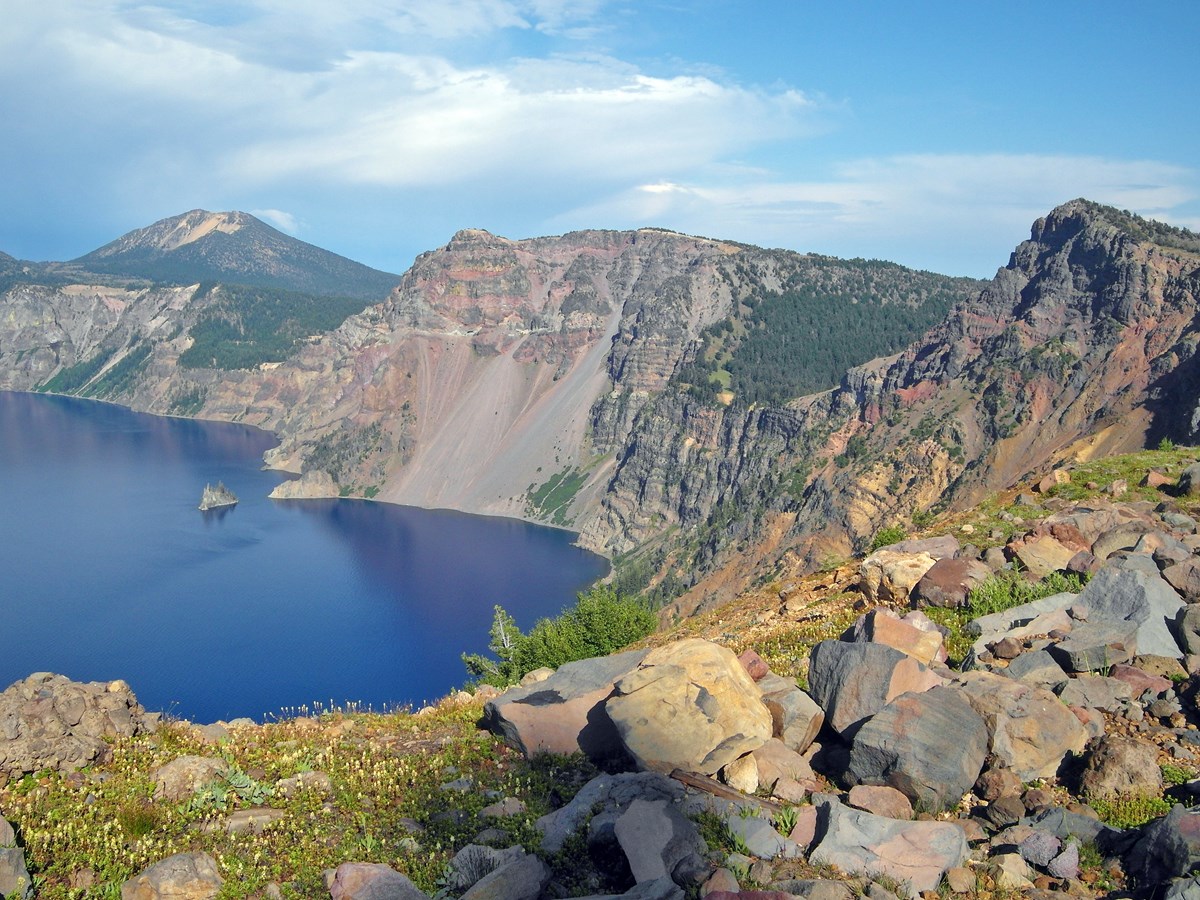
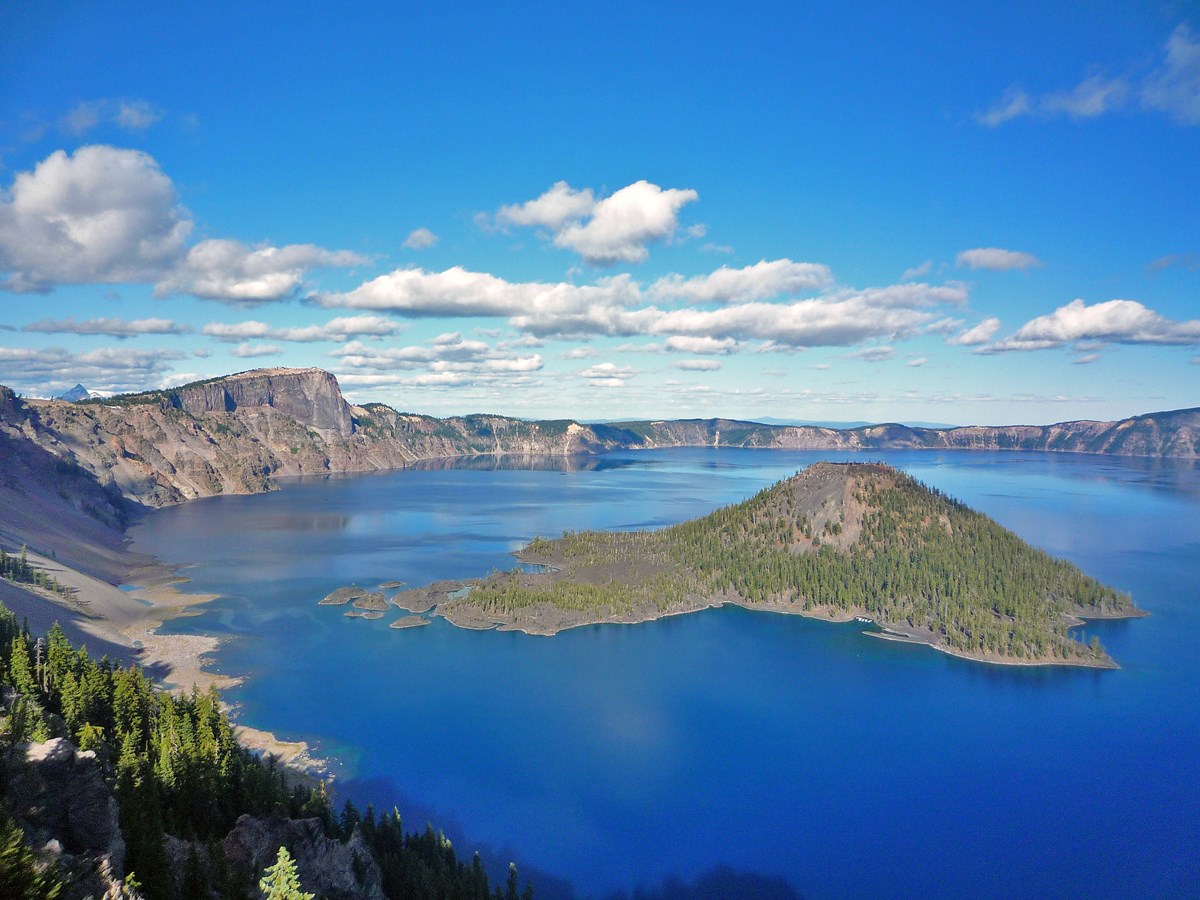
There is one national park in Oregon: Crater Lake, in the south of the state. It holds the deepest lake in the USA, and snow shapes most of its year. Oregon’s other NPS sites include the John Day Fossil Beds, Oregon Caves and Lewis and Clark’s Fort Clatsop.

Open each site from the NPS Oregon directory. Closures, alerts and conditions are posted on each site’s own pages.
TripCheck is the Oregon Department of Transportation’s road and weather site. Check mountain passes before you drive to Crater Lake.
NPS says many roads, trails and facilities close seasonally because of snow. Check the hours page before you set dates.
Select the park on the map or in the list to see photos, what it is best for and when to go. Its area is a simplified NPS boundary. Land and ocean outside Oregon are muted.
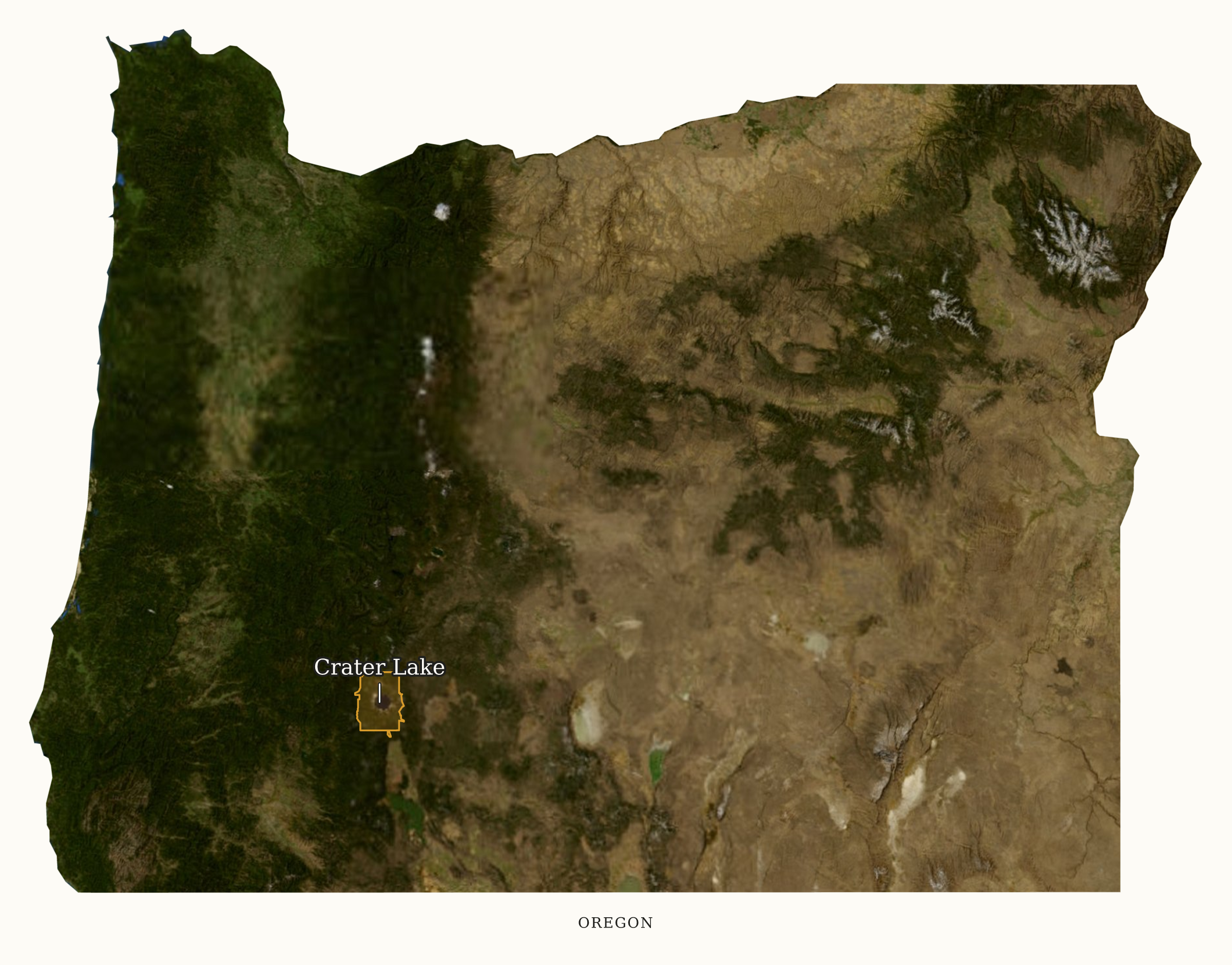
Customize or download the Oregon map. Change the names, marker style and background, or download a ready-made PNG or SVG.
Crater Lake National ParkSouthern Oregon CascadesShading shows how busy each month normally is at each place. Green outlines mark our reviewed best-time window for the park.
Visits compared with each place's own busiest month
| Place | Jan | Feb | Mar | Apr | May | Jun | Jul | Aug | Sep | Oct | Nov | Dec | Timing |
|---|---|---|---|---|---|---|---|---|---|---|---|---|---|
| Lowest | Lowest | Lowest | Low | Low | Moderate | Peak, in our best-time window | High, in our best-time window | Moderate, in our best-time window | Low | Lowest | Lowest | July to September | |
John Day Fossil Beds | Low | Low | Moderate | Moderate | Peak | Peak | Peak | Peak | High | Moderate | Low | Lowest | Busiest: June |
Oregon Caves | Lowest | Lowest | Lowest | Low | Moderate | High | Peak | Peak | Moderate | Moderate | Low | Low | Busiest: July |
Lewis and Clark | Low | Low | Moderate | Moderate | High | High | Peak | Peak | High | Moderate | Low | Low | Busiest: July |
Fort Vancouver | Moderate | Moderate | Moderate | High | High | High | Peak | High | Moderate | Moderate | Moderate | Moderate | Busiest: July |
Shading compares 2021–2025 average monthly recreation visits with the same place’s busiest month, so colors do not compare one place with another. Other NPS sites have no reviewed window; their row names the busiest month.
Ranked by five-year average recreation visits, with the latest full year beside it. A visit counts an entry, not a unique person. Fort Vancouver and Lewis and Clark also have land in Washington; their totals cover the whole site.
Bar length shows the 2021–2025 average. Bar color matches each place’s color on the maps.
| Rank | NPS site | Average a year, 2021–2025 | 2025 visits | Busiest month, 2021–2025 average |
|---|---|---|---|---|
| 1 | Fort Vancouver History & culture | 1,071,161 | July | |
| 2 | Southern Oregon Cascades | 632,242 | July | |
| 3 | Lewis and Clark History & culture | 244,195 | July | |
| 4 | John Day Fossil Beds Fossils & caves | 131,119 | June | |
| 5 | Oregon Caves Fossils & caves | 64,354 | July |
Find another stop: painted fossil hills, a marble cave, or a fort that tells the story of the Lewis and Clark expedition.
Site locators, not entrances or directions.
These 4 places are a starting selection. The full directory includes the Nez Perce National Historical Park, national trails and every other NPS source record for Oregon.
Marker positions are each unit's official NPS coordinates. State outline: U.S. Census cartographic boundary (public domain). Independent site, not affiliated with the National Park Service.
| Unit | Designation | 5-yr avg visits | Busiest month |
|---|---|---|---|
| Fort Vancouver National Historic Site | National Historic SiteFOVA | 964,072 | July |
| Crater Lake National Park | National ParkCRLA | 574,434 | July |
| Nez Perce National Historical Park | National Historical ParkNEPE | 343,582 | June |
| Lewis and Clark National Historical Park | National Historical ParkLEWI | 270,041 | July |
| John Day Fossil Beds National Monument | National MonumentJODA | 147,228 | June |
| Oregon Caves National Monument & Preserve | National Monument & PreserveORCA | 59,507 | July |
| California National Historic Trail | National Historic TrailCALI | — | — |
| Ice Age Floods National Geologic Trail | National Geologic TrailIAFL | — | — |
| Lewis & Clark National Historic Trail | National Historic TrailLECL | — | — |
| Oregon National Historic Trail | National Historic TrailOREG | — | — |
Fossils record ancient forests and animals such as three-toed horses, preserved across a changing climate.
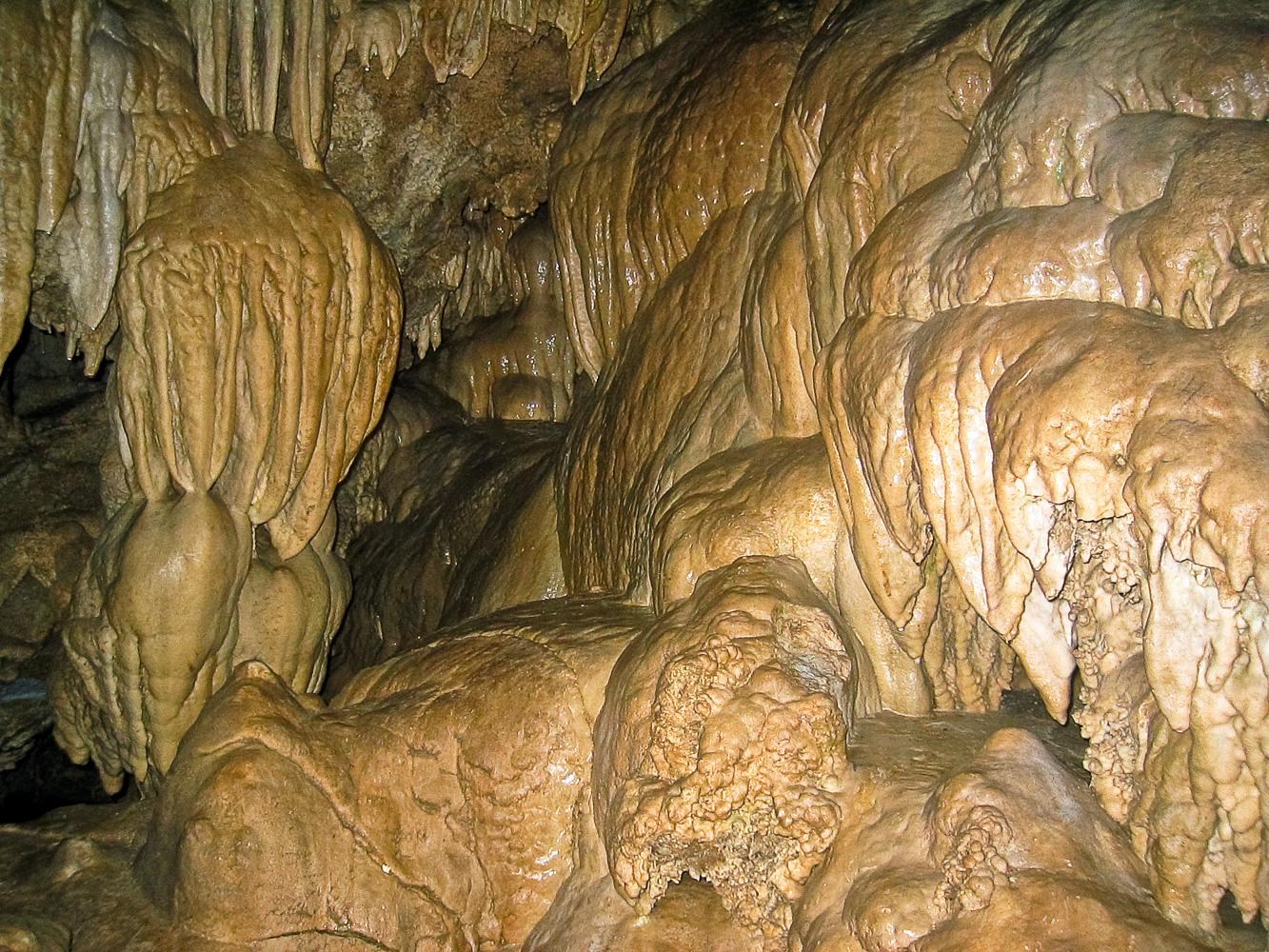
John Day Fossil Beds National MonumentDark, twisting marble passages deep in the Siskiyou Mountains, decorated by eons of seeping water.
Oregon Caves National Monument & PreserveSites along the Columbia River and the Pacific coast, on both sides of the Oregon–Washington line.
Lewis and Clark National Historical ParkThe main site is on the north bank of the Columbia River. The McLoughlin House in Oregon City is also part of the park.
Fort Vancouver National Historic Site4 places
Short answers, with the official source for each.
One: Crater Lake. Oregon also has a national monument and preserve, a fossil beds monument and historical parks run by the National Park Service. NPS Oregon directory
NPS calls it the deepest lake in the USA. It formed about 7,700 years ago, after a violent eruption collapsed a tall peak. Crater Lake (NPS)
NPS says summer runs from July through mid-September, and winter from November through April. May, June and October openings are less predictable, so check the hours page. Crater Lake hours and seasons (NPS)
Entrance fees and pass eligibility vary by park and visitor. Some parks charge non-U.S. residents an extra fee unless they have a qualifying pass. NPS says a few high-traffic sites may also need a reservation, so check each site’s own page. NPS entrance passes NPS Oregon directory
An independent guide using official data. Not affiliated with or endorsed by the National Park Service.
Rows in the broader directory come from our combined NPS metadata and Visitor Use Statistics registry, not the Park Service’s official census of managed system units. Per-record visit counts come from the NPS Visitor Use Statistics Data Package, 2025; the five-year average is the mean of 2021–2025 recreation visits. Multi-state records are listed under every state they touch, and their full visit total appears in each state. Official national park counts use our central national-park classification rather than the source designation label alone. Independent site, not affiliated with the National Park Service.